


Most “beach camping” turns out to be a parking lot with a view of a dune, a quarter-mile walk, and a shower house between you and the water. The campgrounds below are the real thing — sites tucked into the dune line or sitting directly on open sand, close enough that the surf is the only thing you hear at 2 a.m. A few of them let you drive your truck onto the beach and sleep beside it.
Coastal camping also has rules that inland camping does not. Sand eats standard tent stakes, salt air corrodes anything with a zipper, and reservation windows for the good oceanfront loops fill the morning they open. Here are ten places across seven states where the first thing you see through the tent door is water.
As an Amazon Associate, I earn from qualifying purchases.
What to Pack for Camping
1. Collapsible aluminum trekking poles — Soft sand and steep dune crossings wreck ankles faster than any trail, and a pair of 7075 aluminum poles that collapse down for the drive gives you the balance to haul gear across a beach without eating it.
2. 18-Piece camping cookware mess kit — An 18-piece mess kit with a backpacking stove, pots, pans, and utensils in one nesting bundle solves the entire camp-kitchen problem for sites where the nearest store is a ferry ride away.
3. Instant pop-up dome tent — An automatic pop-up tent goes up in under a minute, which matters enormously when you are pitching in a coastal crosswind with sand blowing sideways.
4. 3-Season waterproof sleeping bag — A 3-season waterproof bag covers the surprising temperature swing on Pacific and Atlantic beaches, where a 78-degree afternoon can drop into the low 50s by 4 a.m.
5. Two-person camping loveseat — A double camp chair is the correct piece of furniture for a fire pit facing the ocean, and it takes up less trunk space than two separate chairs.
6. Pop-up privacy shower tent — Beach campgrounds are notorious for one bathhouse per loop, so a pop-up privacy enclosure with an instant frame doubles as a changing room and rinse-off station right at your site.
7. Waterproof orienteering compass — A waterproof orienteering compass stays useful on long open beaches where every dune looks identical and phone signal quits somewhere past the entrance station.
8. Folding pocket camp knife — A folding stainless knife with a locking ergonomic handle handles fish, rope, and dinner prep without needing a knife block or a sheath the size of a forearm.
9. Freeze-dried meal assortment bucket — A bucket of freeze-dried meals with 30 servings stores for years and weighs almost nothing, which is the whole argument for primitive sites with no camp store within twenty miles.
10. 3000-Lumen rechargeable spotlight — A 3000-lumen spotlight with a 1400-foot beam and IPX8 waterproofing finds your site in the dark and doubles as a lantern when the fog rolls in.
11. Stainless steel troop cookset — A stainless steel cookset sized for 8 to 10 people is the pick for group trips, since it survives salt air far better than anodized aluminum.
12. Mineral sunscreen stick SPF 50 — A mineral SPF 50 stick stays put through swimming and sweat, and the small format lives in a pocket instead of getting buried in a dry bag.
13. Mini compass keychain pack — A bulk pack of 36 mini compasses on keychains is a cheap way to keep kids busy on the beach and a decent giveaway for group or scout trips.
1. Assateague Island National Seashore, Maryland
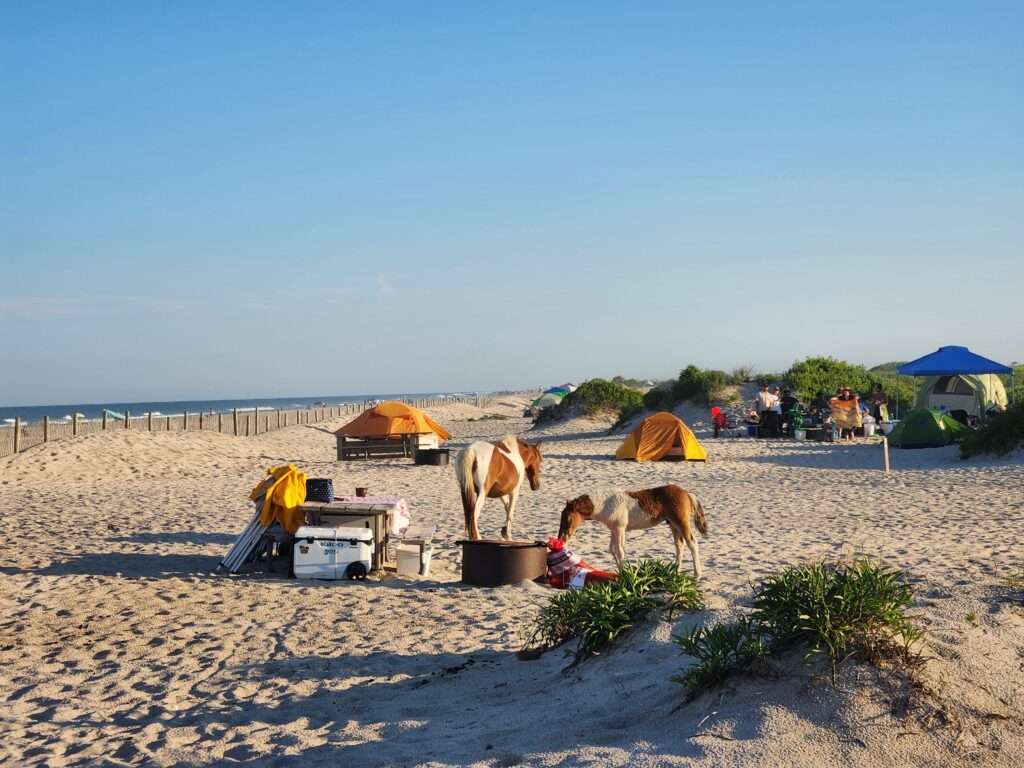
The Oceanside campground at Assateague puts tents and small RVs directly behind the primary dune on a barrier island that has no bridges past the entrance and no development at all. The famous wild horses wander through camp regularly, which is charming for about four minutes and then becomes a genuine food-storage problem — every site needs a hard-sided container or a bear-style locker, and rangers issue tickets for coolers left out. Book through Recreation.gov six months ahead for summer weekends, bring the strongest bug protection you own because the greenhead flies in July are legendary, and consider late September when the water is still warm and the insects have thinned out.
2. Ocracoke Campground, North Carolina
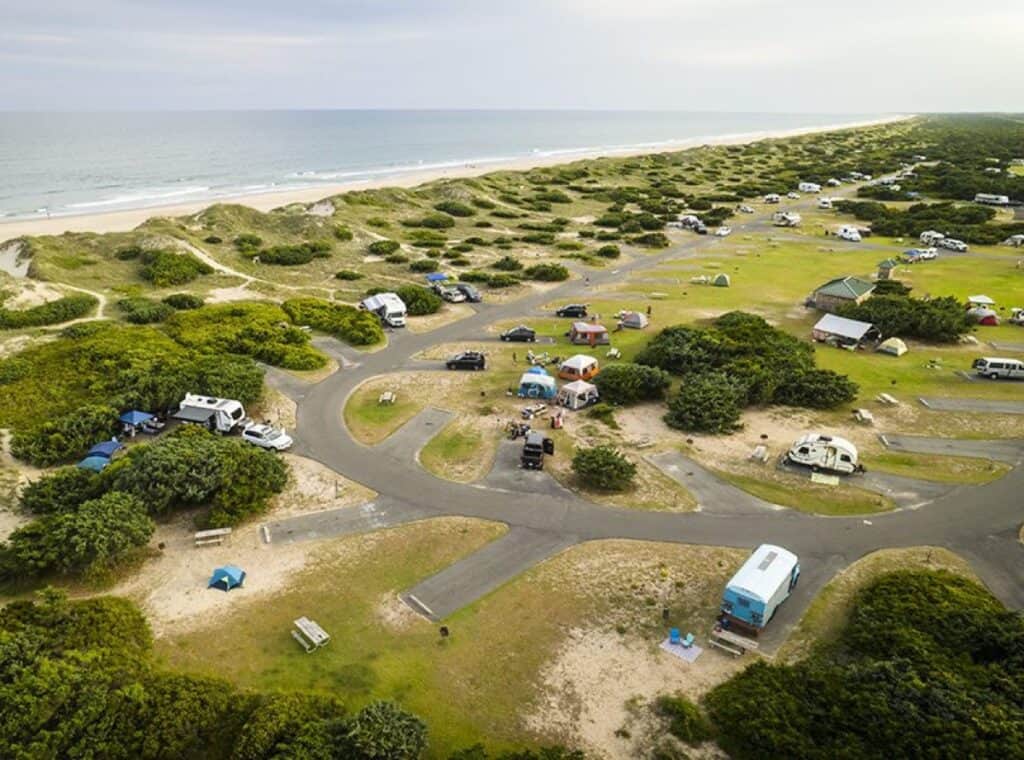
Ocracoke sits at the far end of Cape Hatteras National Seashore, reachable only by ferry, and its campground sits in a low dune field a short walk from fourteen miles of undeveloped Atlantic shoreline. Sites are flat, exposed, and almost entirely sand, which means standard steel stakes will pull straight out in the first sustained blow — bring 12-inch sand stakes or plastic screw anchors and you will sleep through the wind instead of chasing your rainfly. The village of Ocracoke is three miles south with oyster shacks, the Ocracoke Lighthouse, and bike rentals, and the ferry schedule from Hatteras or Cedar Island is the one thing worth planning your entire trip around.
3. Hunting Island State Park, South Carolina
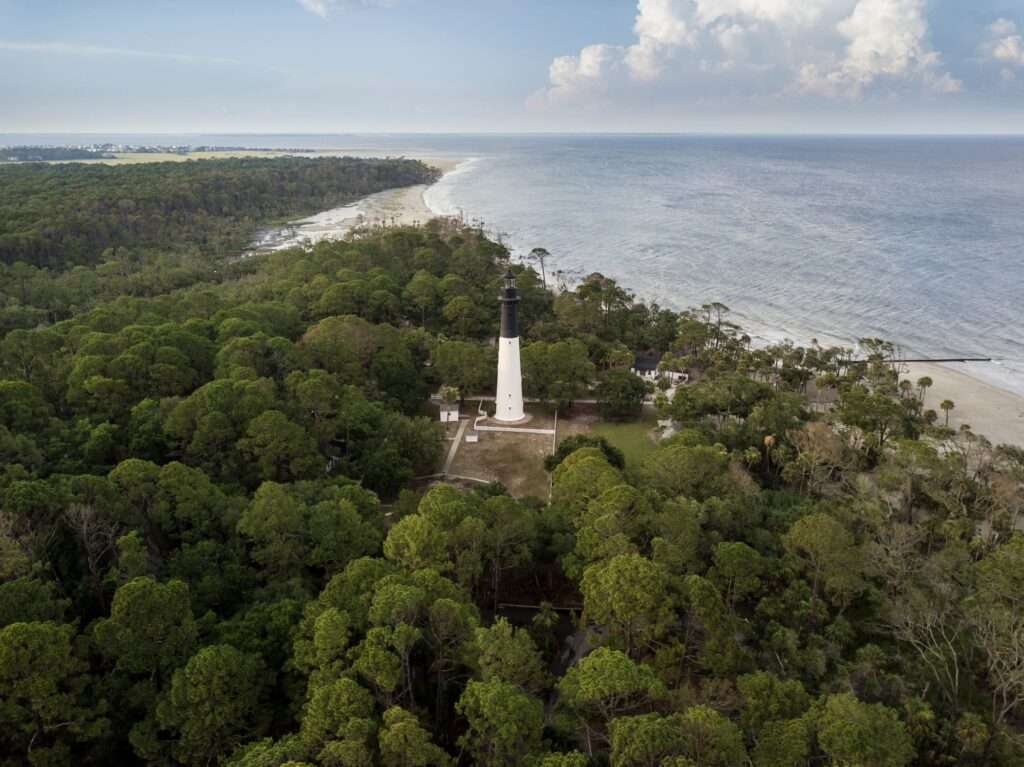
Hunting Island is the busiest state park in South Carolina for a reason: five thousand acres of maritime forest, salt marsh, and beach, with a campground on the north end where the palmettos run right down to the tideline. Erosion has reshaped this shoreline dramatically over the past decade, so several sites now sit remarkably close to the water and the skeleton trees — dead pines and palms bleached white by salt — make the beach look like a movie set. Climb the 1875 Hunting Island Lighthouse for the view over the Lowcountry, then drive twenty minutes into Beaufort for shrimp and grits when you get tired of camp food.
4. Fort De Soto Park, Florida
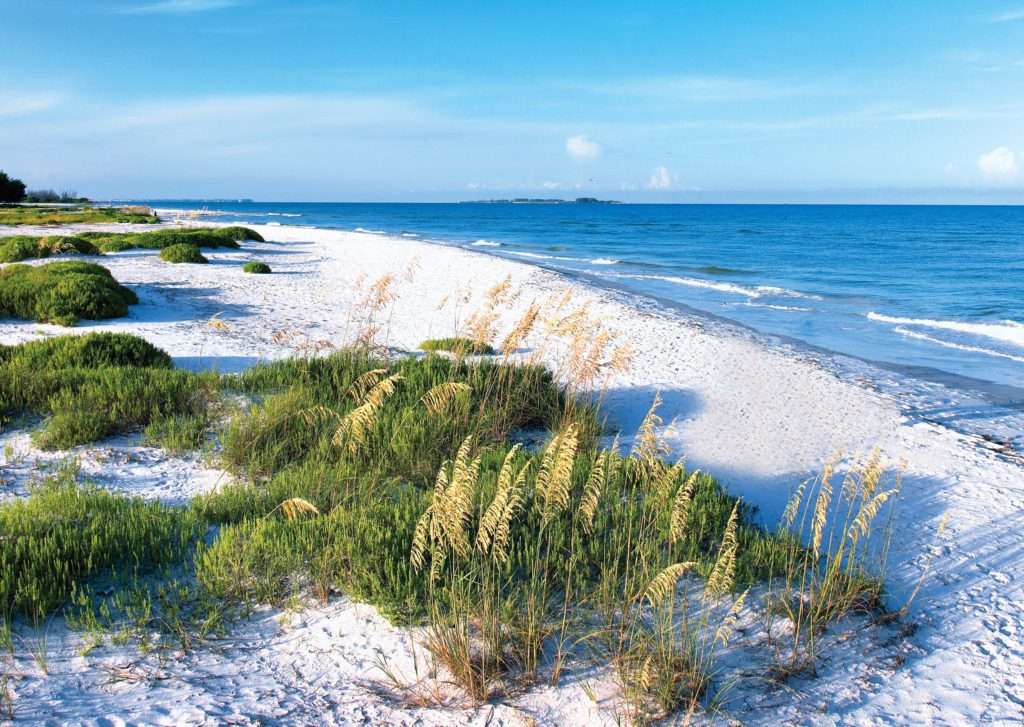
Fort De Soto sits on Mullet Key at the mouth of Tampa Bay, and its campground is split into loops where a good number of sites open directly onto the water rather than facing an interior road. This is a Pinellas County park, not a state park, which means it books through the county system and holds a strict reservation window that Florida regulars set alarms for. The park has seven miles of waterfront, a 1898 coastal fort you can walk through, kayak launches into the mangrove trail, and a dog beach that is one of the better ones in the state.
5. Bahia Honda State Park, Florida
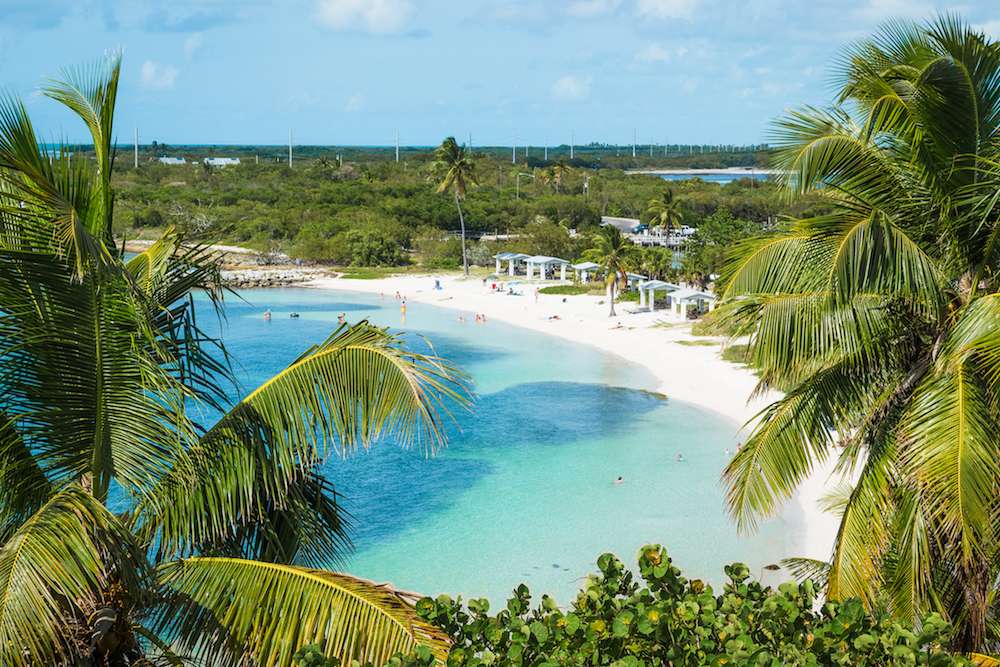
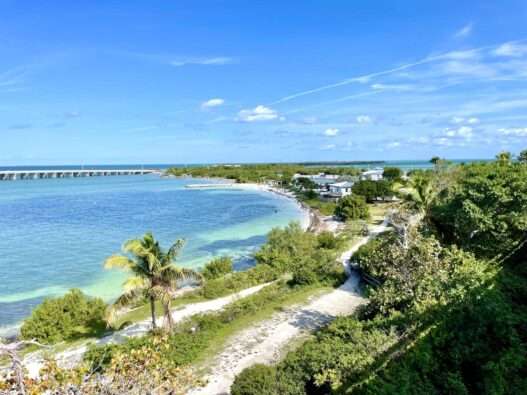
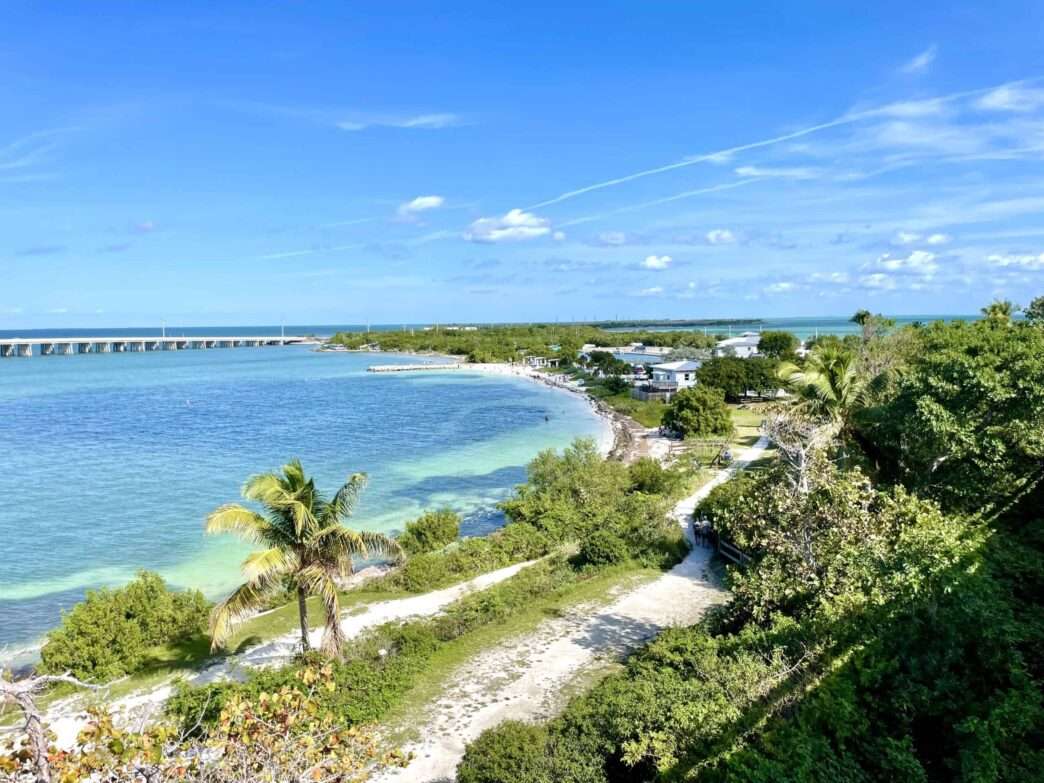
Bahia Honda at Mile Marker 37 in the Keys has the rarest thing in that chain — a genuine wide sand beach, since most of the Keys are rock and mangrove rather than shoreline. Campsites here are highly competitive because Florida State Parks releases them eleven months out at 8 a.m. Eastern, and Bahia Honda oceanfront sites are gone within minutes of release. Calusa Beach faces the old Flagler railroad bridge, the snorkeling off Loggerhead Beach is decent straight from shore, and the sunsets here get photographed more than anything else in the middle Keys.
6. Padre Island National Seashore, Texas
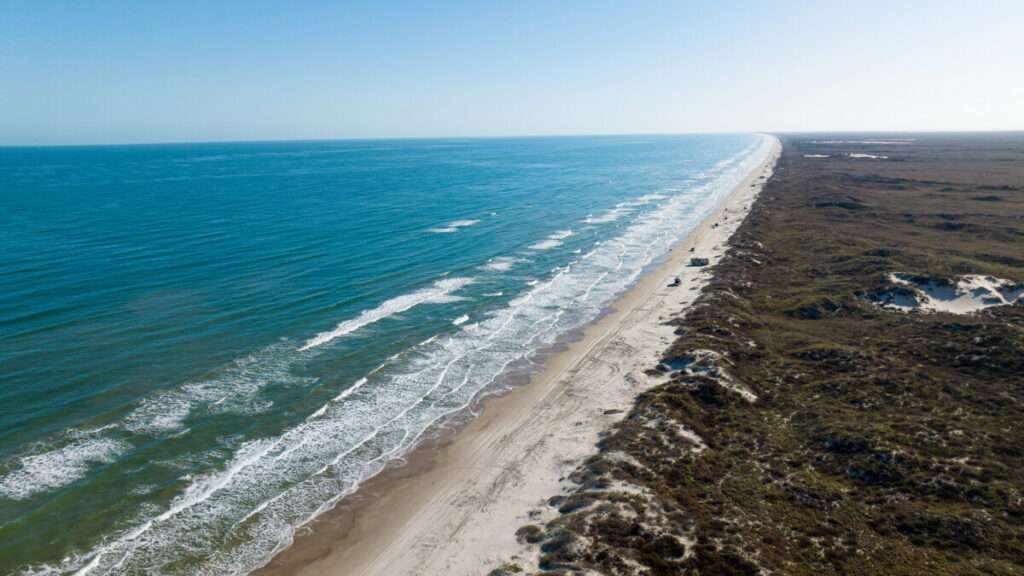
Padre Island protects sixty-six miles of undeveloped Gulf shoreline, and past the pavement you can simply drive down the beach and camp wherever you stop. Malaquite Campground is the semi-developed option with a paved lot above the dunes, but the real experience is North Beach or South Beach primitive camping, where four-wheel drive and a shovel are not optional past the five-mile marker. Sea turtle hatchling releases happen here from June through August, the wind is relentless almost year-round, and the fishing off the beach for redfish and speckled trout is some of the best you can do without a boat.
7. Jalama Beach County Park, California
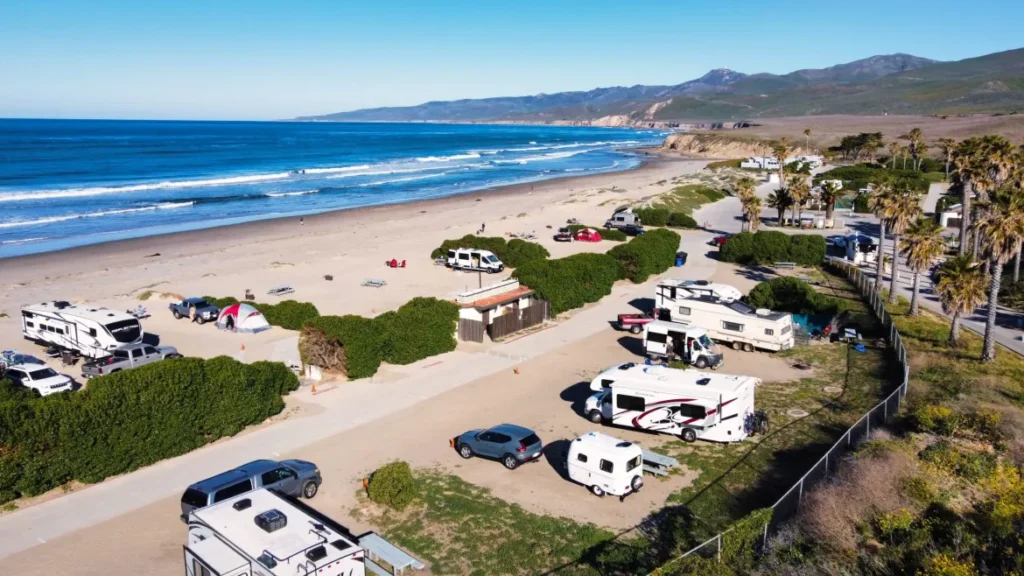
Jalama sits at the end of a fourteen-mile dead-end road off Highway 1 near Lompoc, which is exactly why it still feels like a secret despite having a devoted following since the 1960s. The campground runs along a bluff and down onto the sand, with first-come first-served sites alongside a limited number of reservable ones — surfers and windsurfers arrive Thursday for weekend spots. The Jalama Burger at the tiny camp store has its own cult, the wind here can genuinely knock over a cheap tent, and the whale watching from shore in spring is unusually good for a campground you can drive to.
8. Oceano Dunes, California
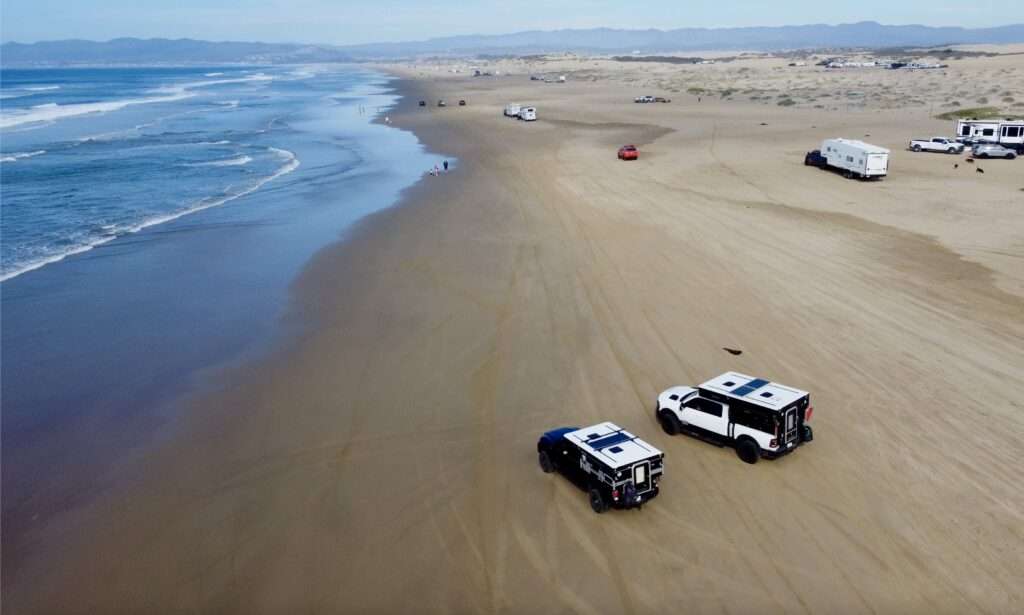
Oceano Dunes near Pismo Beach is one of the last places in California where you can legally drive a vehicle onto the sand and camp on it, which makes it either the best or the worst campground on this list depending on your tolerance for ATV engines. Access rules and the off-highway vehicle area have been under active review by the California Coastal Commission for several years, so confirm current camping conditions before you load the truck. The monarch butterfly grove in Pismo peaks from late October through February, clam chowder is everywhere, and camping directly on hard-packed sand within sight of the surf is a specific thrill that no bluff-top site replicates.
9. Cape Lookout State Park, Oregon
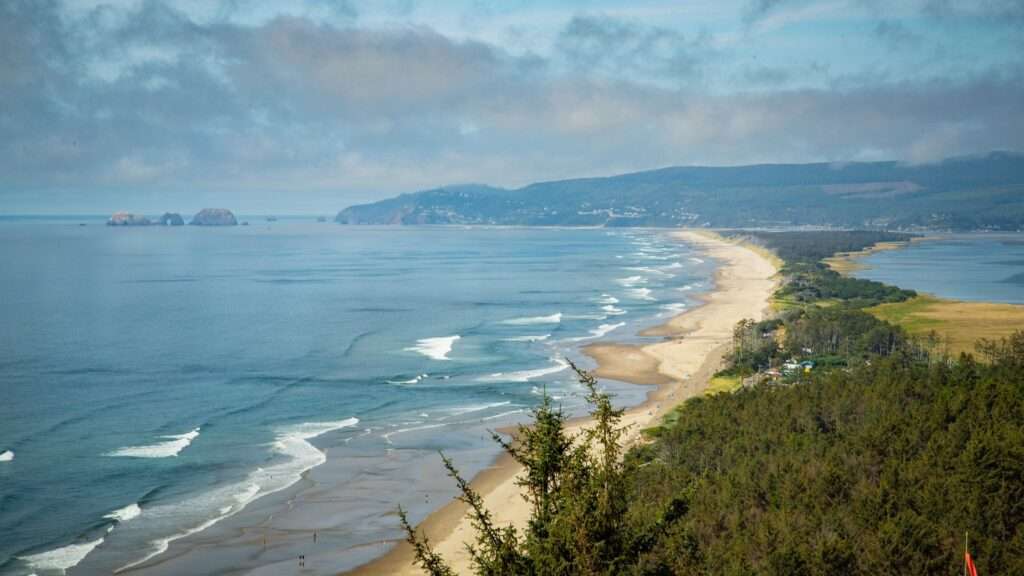
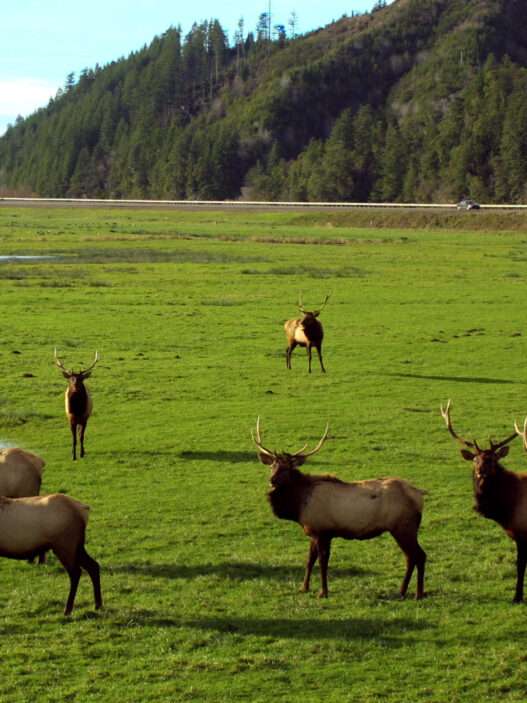
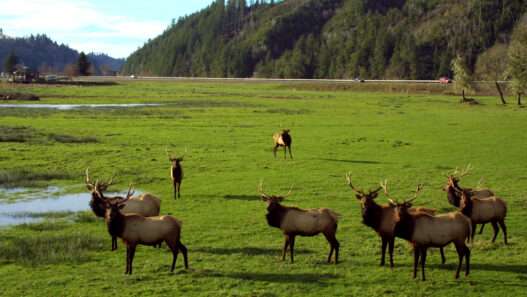
Cape Lookout occupies a sand spit between Netarts Bay and the Pacific, with campsites separated from the beach by nothing more than a low line of dune grass and a few hundred feet of walking. This is the Oregon coast, so pack for rain in every month and bring an actual tarp shelter rather than trusting a single-layer tent — but the payoff is five miles of nearly empty beach, elk sightings in the meadow, and a 2.5-mile headland trail with one of the best whale-watching viewpoints in the state. Yurts and cabins here book fast because they solve the weather problem entirely, and the drive up to Tillamook for cheese and ice cream takes about thirty minutes.
10. Grayland Beach State Park, Washington
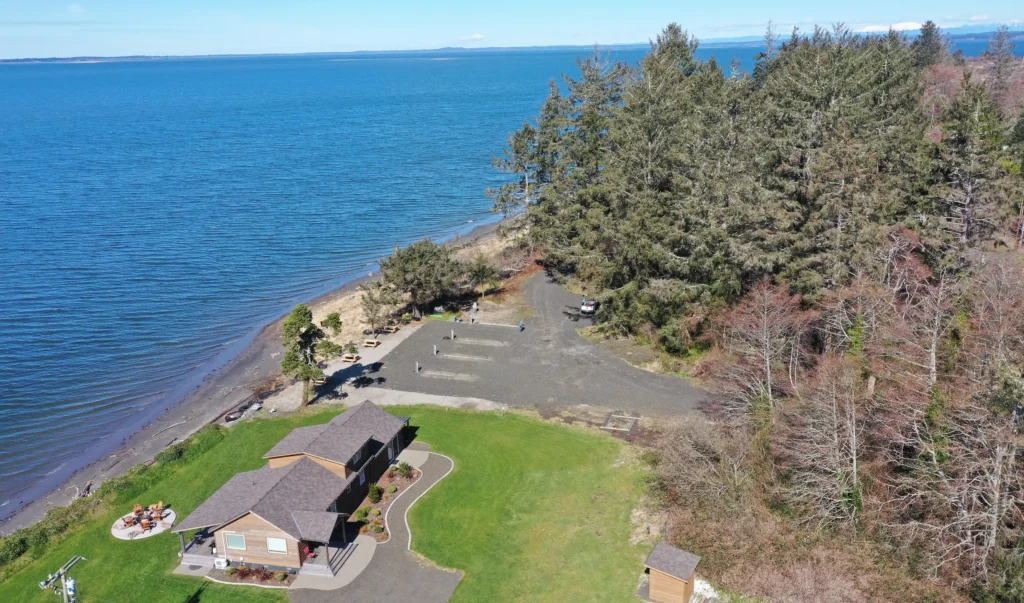
Grayland sits on the southern Washington coast near Westport, with campsites tucked into individual pockets of shore pine and dune grass that give you far more privacy than a typical beach campground. Short sand trails lead from most loops directly onto a wide, flat, hard-packed beach where driving is permitted in places and the razor clam digs in spring and fall draw serious crowds with buckets and headlamps. The water is genuinely cold, the fog rolls in most mornings, and the yurts here are the smartest booking on the Washington coast when the forecast turns.
Final Thoughts
Beachfront camping rewards the people who plan the boring parts — the reservation window, the sand stakes, the food storage — and punishes everyone who assumed a beach is just a campground with better scenery. Assateague and Padre give you wildness, Bahia Honda and Fort De Soto give you warm water, and the Pacific coast sites give you weather that makes the coffee taste better. For a broader look at where to pitch a tent once the coastline stops calling, see our guide to the best camping national parks for summer adventures.