


Reserving a campsite is the cheapest observatory ticket in America. Certified dark sky parks lock down their own lighting, ban white flashlights in the observing areas, and hand you a Bortle Class 1 or 2 sky for the price of a tent pad — but only if you sleep there, because most of these gates close at sunset and the good hours start around 11 p.m. The ten campgrounds below let you stay put from dusk to dawn without driving anywhere, and a few of them have ground set aside specifically for people with telescopes.
Every one of these is a real reservation you can make right now, and most fill fastest during the new moon window, which is exactly when you want to be there.
Cherry Springs State Park, Pennsylvania
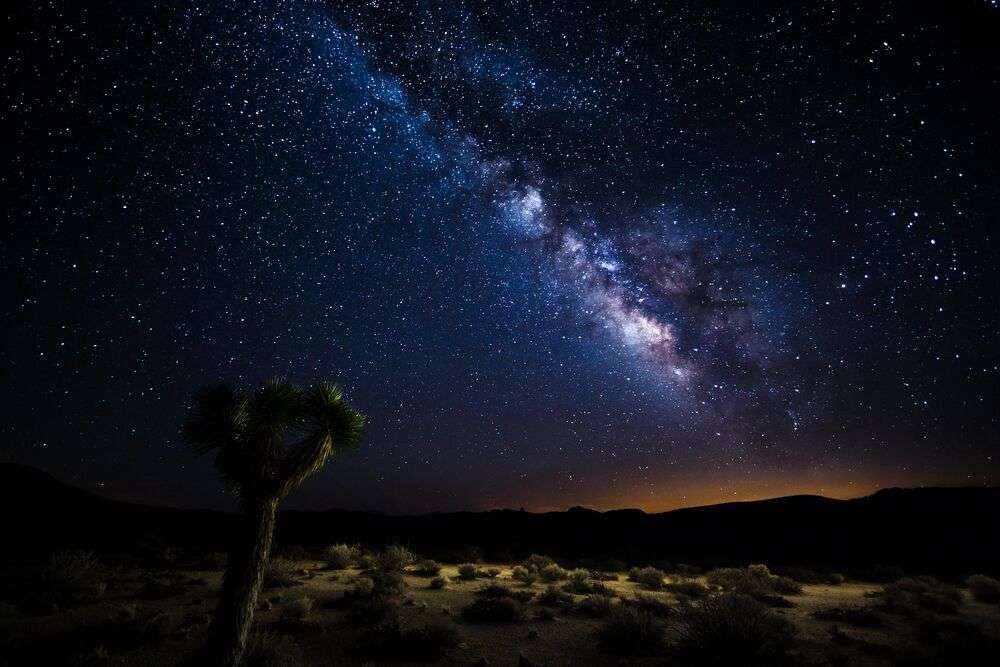
This 82-acre park sits in the middle of the 262,000-acre Susquehannock State Forest, and its Overnight Astronomy Observation Field gives you a full 360-degree horizon with white light strictly prohibited — every lamp needs a red filter and campfires are banned outright on the field. The separate Rustic Campground holds about 30 sites and runs mid-April through late October, which is the better call for casual stargazers who still want a fire ring and don’t mind a slightly less protected sky.
What to Pack for Cherry Springs State Park
- A rechargeable mosquito repeller throws a 20-foot scent zone around your chair, which matters in Potter County from June onward.
- A waterproof phone pouch keeps dew off your screen during long exposures and floats if you drop it in the dark.
- A freeze-dried meal kit saves you from cooking at 1 a.m. when the Milky Way is finally at its highest.
As an Amazon Associate, I earn from qualifying purchases.
Big Bend National Park, Texas
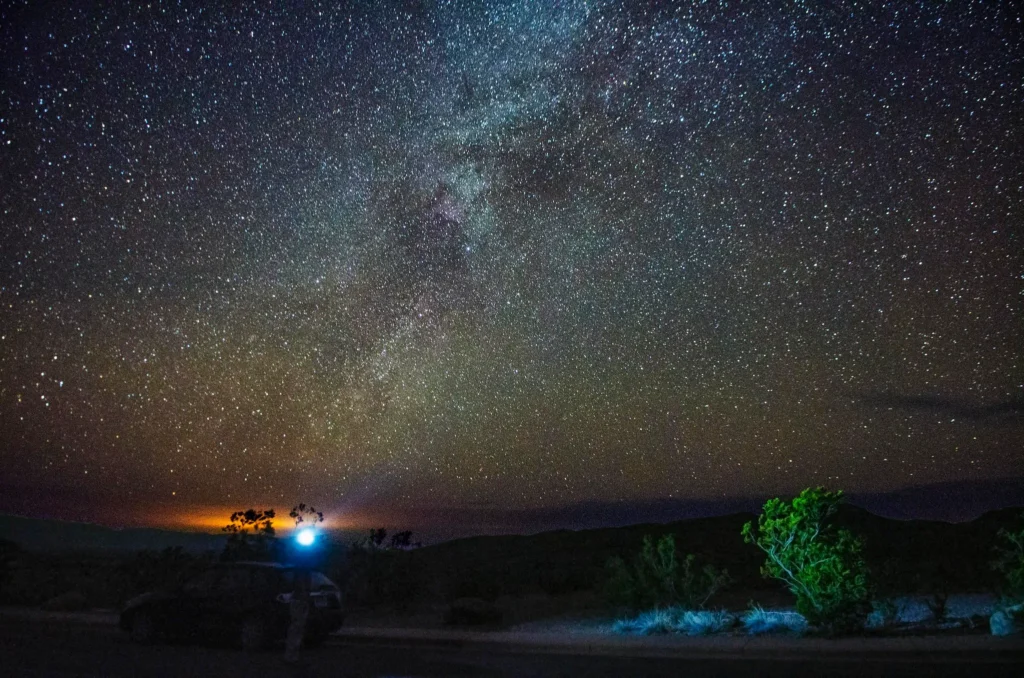
Big Bend has the least light pollution of any national park unit in the lower 48, and the nearest real city glow is hundreds of miles away in every direction. Chisos Basin Campground puts you at roughly 5,400 feet in a bowl ringed by peaks, which trades a bit of horizon for cooler nights, while Rio Grande Village and Cottonwood give you flatter, wider sky at the cost of summer heat.
What to Pack for Big Bend National Park
- A pack of DEET-free repellent bands works well along the river campgrounds where mosquitoes get serious after dusk.
- A roll-top dry bag protects camera bodies and lenses from the fine desert grit that gets into everything here.
- A waterproof action camera shoots 4K time-lapse of the Milky Way rising over the Chisos without a full camera rig.
Death Valley National Park, California

Death Valley is a Gold Tier Dark Sky Park, the highest designation there is, and Furnace Creek Campground sits at 196 feet below sea level with reservable sites through the cooler months. Book between late October and early April — summer nights here regularly stay above 100°F, and no sky is worth that, though nearby Texas Springs is the quieter pick when Furnace Creek fills up.
What to Pack for Death Valley National Park
- A rechargeable handheld fan runs up to 25 hours on a charge and makes shoulder-season afternoons survivable inside a tent.
- A 5-pound dry chemical fire extinguisher is cheap insurance in a park where vegetation is bone dry year-round.
- A pocket gimbal camera has a 1-inch sensor that handles low light far better than a phone at the sand dunes.
Great Basin National Park, Nevada
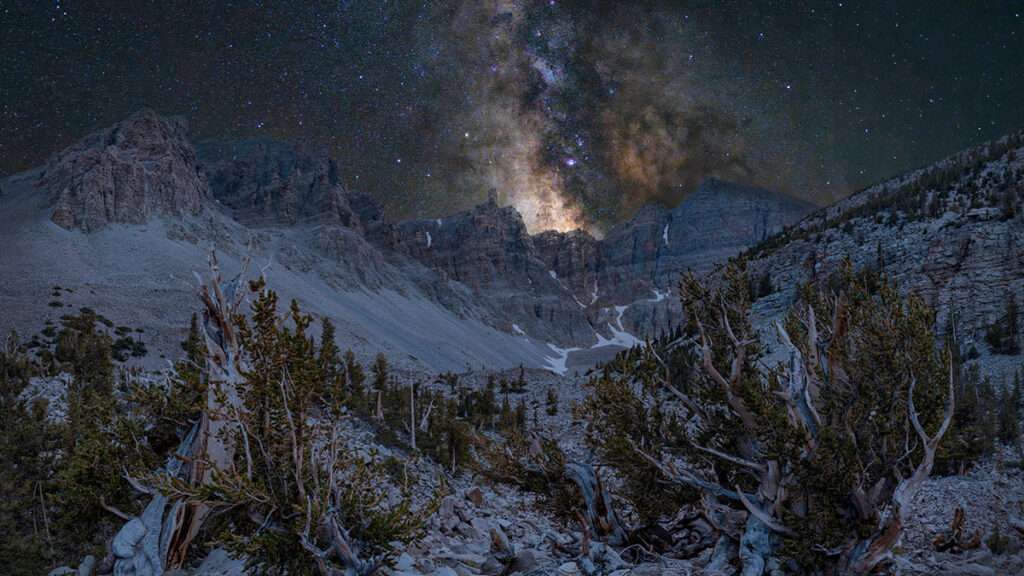
Wheeler Peak Campground sits near 9,900 feet, which strips a meaningful chunk of atmosphere out of your line of sight and explains why the park runs an astronomy festival every September. The tradeoff is a short season — the road up is typically open summer through early fall only — so Baker Creek and the Lehman Creek campgrounds are the fallback when Wheeler Peak is still closed.
What to Pack for Great Basin National Park
- A fuel-powered mosquito repeller needs no batteries, which matters at altitude where cold drains everything faster.
- A non-surge travel power strip turns one campground outlet into four when you’re charging camera batteries overnight.
- A set of z-fold trekking poles collapses small enough for a daypack on the bristlecone pine trails above camp.
Natural Bridges National Monument, Utah
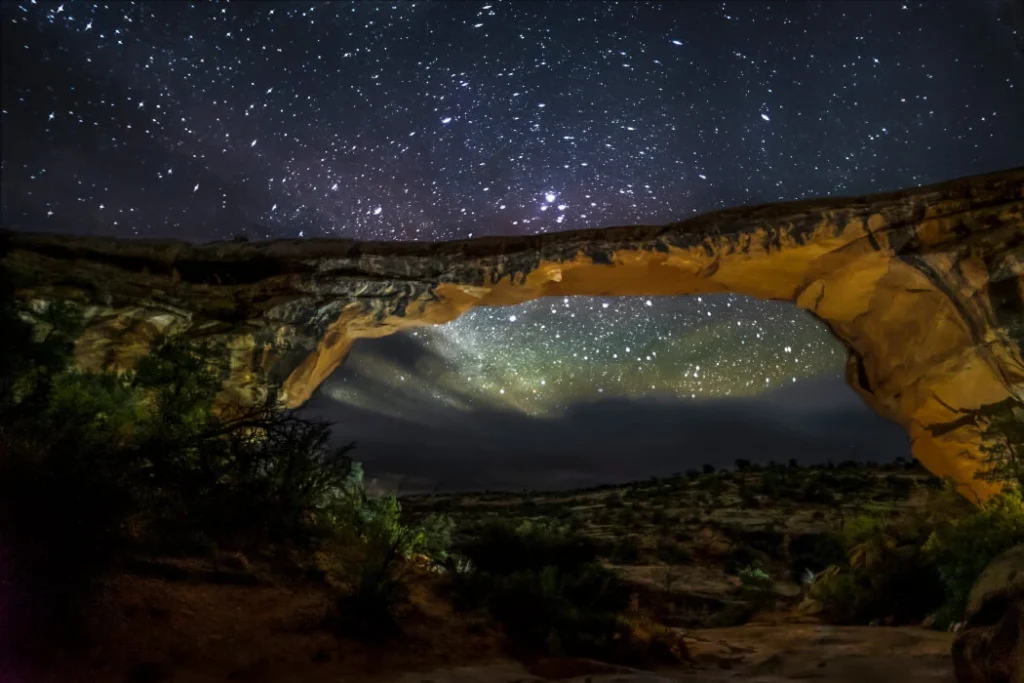
This was the world’s first International Dark Sky Park, certified in March 2007, and the campground is a spartan 13 sites at 6,500 feet among pinyon and juniper with no water, no hookups, and two pit toilets. Sites go fast from mid-March through June and again in September and October, and the combined vehicle length limit is a firm 26 feet because the loop road is genuinely that tight.
What to Pack for Natural Bridges National Monument
- A roll-up memory foam mattress pad makes the hard-packed tent pads here far more tolerable for a multi-night stay.
- A baseplate orienteering compass helps you orient star charts correctly before your eyes adjust to the dark.
- A UPF 50+ shade canopy gives you somewhere to sleep off the night shift, since there’s almost no shade at these sites.
As an Amazon Associate, I earn from qualifying purchases.
Grand Canyon National Park, Arizona
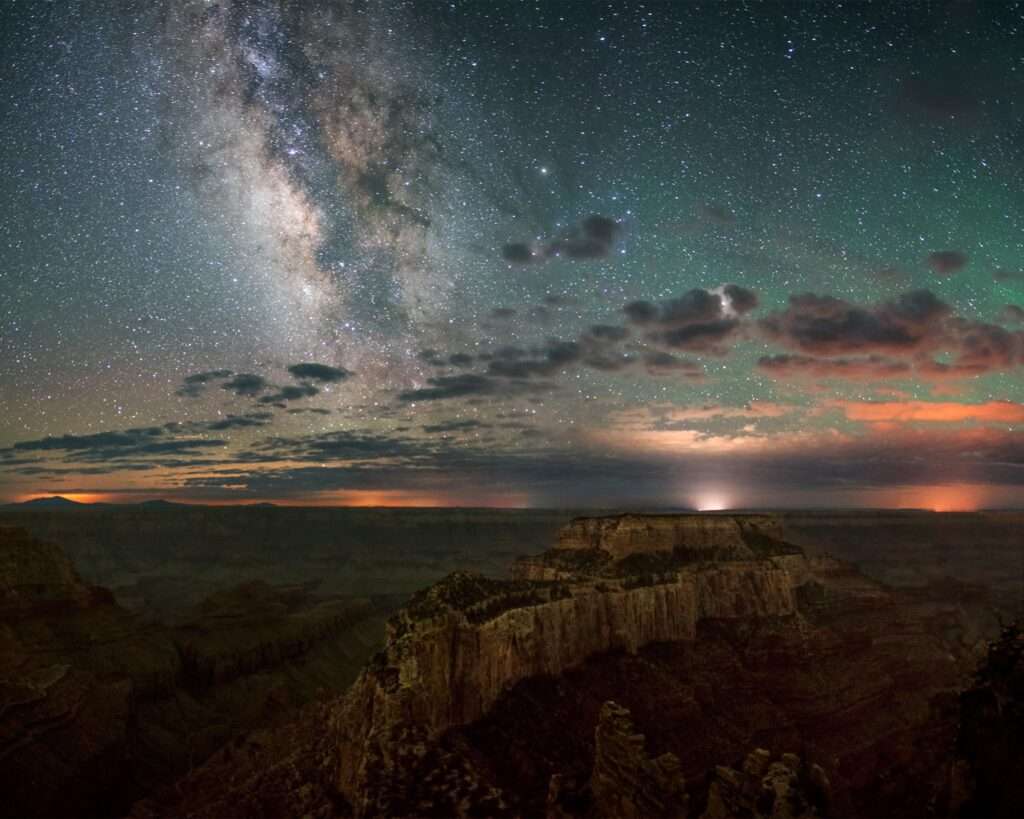
The park earned Dark Sky Park certification in 2019 after retrofitting thousands of light fixtures, and it hosts a week-long star party each June with telescopes set up on both rims. Mather Campground on the South Rim is the big reservable option with a few hundred sites, while Desert View Campground 25 miles east is smaller, darker, and much further from village light spill.
What to Pack for Grand Canyon National Park
- A pair of low-slung folding camp chairs sits you back at an angle that saves your neck during two hours of looking up.
- An IPX6 Bluetooth speaker runs 20 hours per charge for quiet music at your own site, well inside quiet hours.
- A battery-operated tent fan moves air through a closed tent on warm South Rim nights in July and August.
Joshua Tree National Park, California
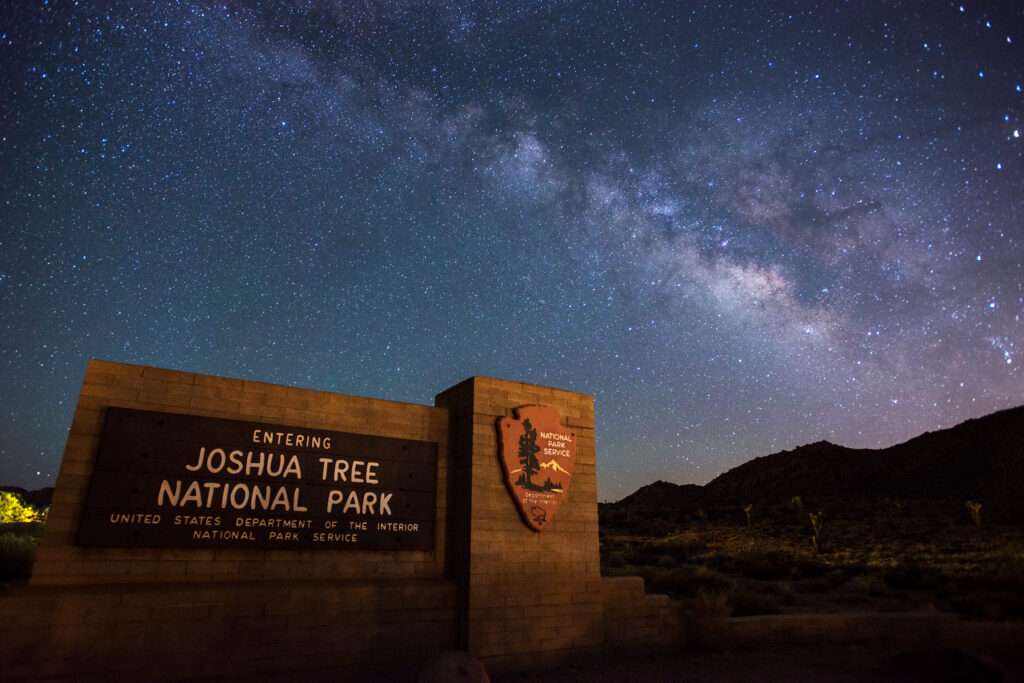
Joshua Tree became a Dark Sky Park in 2017, and the honest caveat is that the western end catches real sky glow from the Coachella Valley and Los Angeles. Camp in the eastern half instead — Cottonwood and Belle sit far enough from that glow to deliver a clean Milky Way, while Jumbo Rocks and its 124 sites give you granite boulders to lean against in exchange for slightly brighter western horizons.
What to Pack for Joshua Tree National Park
- A two-person camping loveseat folds down to a single carry and beats dragging two chairs to a boulder field.
- A stainless steel group cookset nests pots and pans into one compact stack for shared sites with friends.
- A double sleeping pad with a built-in foot pump inflates without you getting lightheaded at the end of a long drive.
Craters of the Moon National Monument, Idaho
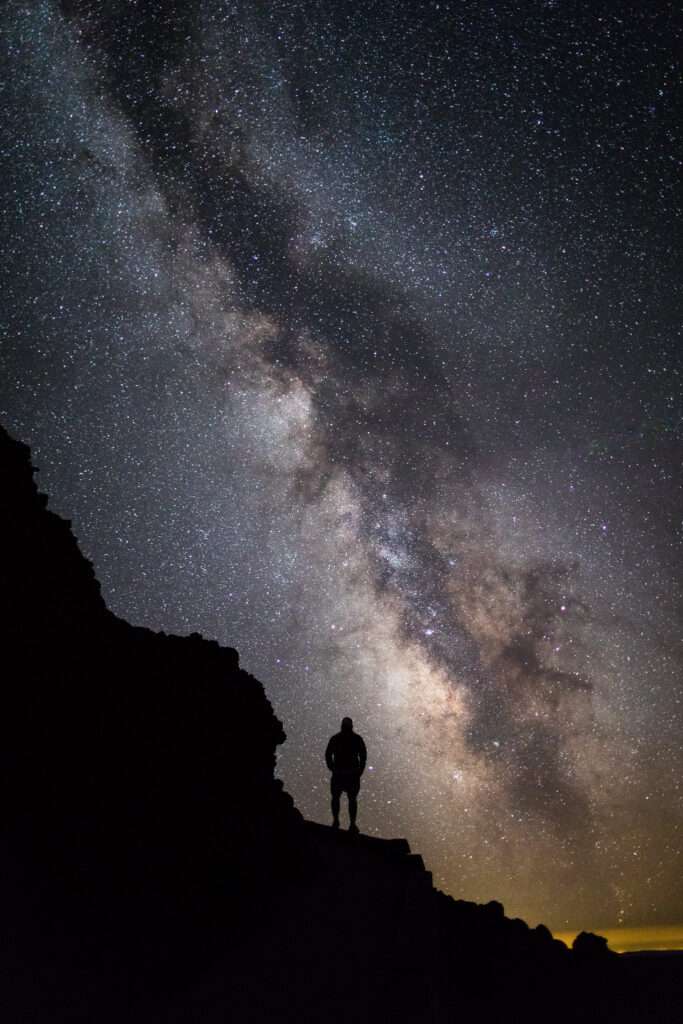
Certified in 2017, this place is 618 square miles of black basalt lava with almost no reflective surface, which makes the darkness feel unusually total once your headlamp goes off. Lava Flow Campground has around 40 sites built directly onto the lava field with no water at the sites and no hookups at all, so arrive stocked.
What to Pack for Craters of the Moon
- A solar power bank tops itself back up during the day at a campground with zero electrical service.
- A 17.5-ounce ultralight sleeping pad packs small and insulates you from lava rock that radiates heat away fast after dark.
- A rechargeable oscillating camp fan has a remote so you don’t need to turn on a light to adjust it mid-night.
Kissimmee Prairie Preserve State Park, Florida
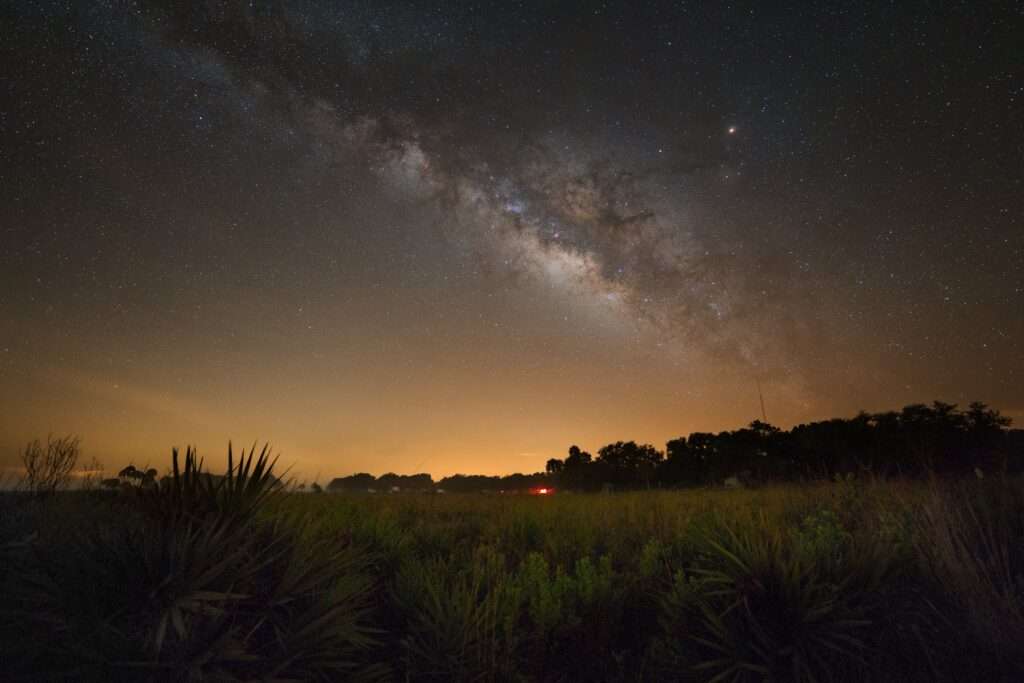
Florida’s first and only certified dark sky park protects 54,000 acres of prairie north of Lake Okeechobee, and the Milky Way is visible here with the naked eye on a clear moonless night. The park’s five astronomy pad tent sites are the reason to come — red-spectrum light only, no campfires permitted, and you must arrive before sunset to check in with the ranger and get the gate code.
What to Pack for Kissimmee Prairie Preserve
- A wide-brim sun hat with a neck flap earns its space on the treeless prairie trails during daylight hours.
- A survival walking staff has a built-in compass and fire starter and doubles as a snake-check on overgrown paths.
- An 8×42 waterproof monocular pulls in the Pleiades and Andromeda without hauling a full telescope to the pad.
Acadia National Park, Maine
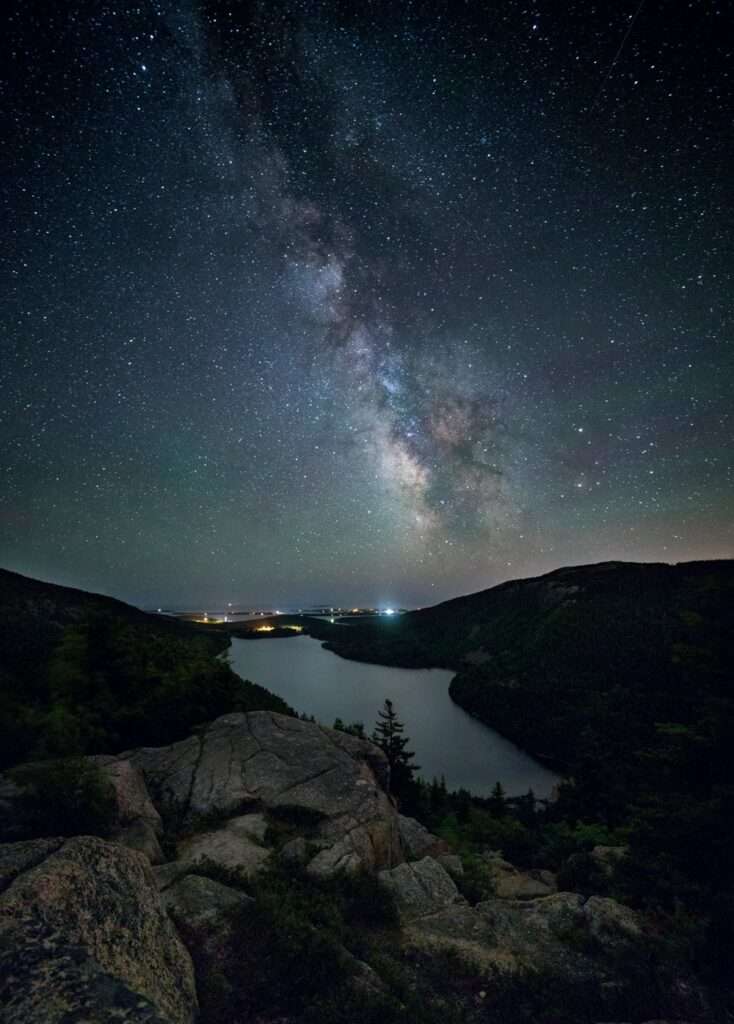
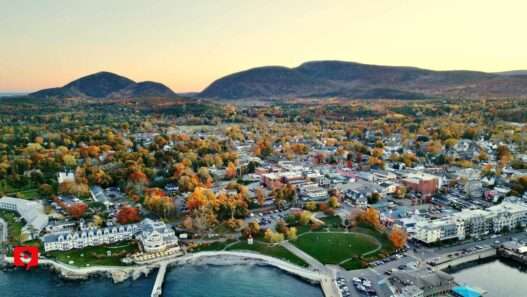
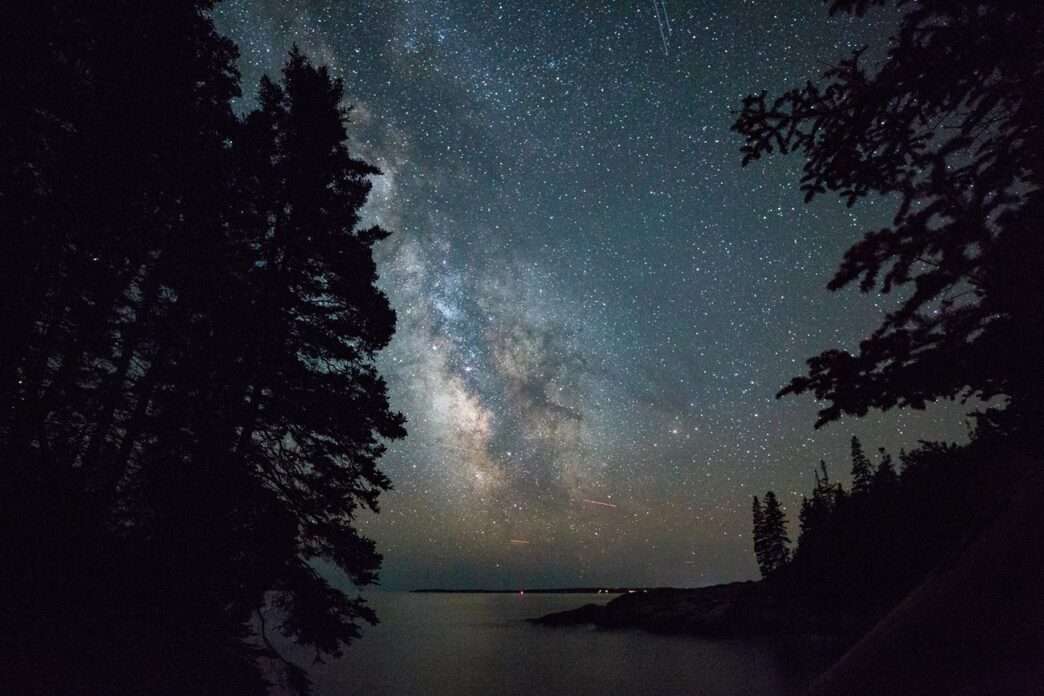
Acadia holds one of the darkest skies left on the East Coast, and the Acadia Night Sky Festival has run annually since 2009 with astrophotography workshops, ranger talks, and guided night hikes. Blackwoods Campground near Bar Harbor is the largest option with roughly 275 sites, while Seawall on the quieter side of Mount Desert Island and Schoodic Woods on the mainland peninsula both sit further from town light.
What to Pack for Acadia National Park
- A three-season sleeping bag handles coastal Maine nights that drop into the 40s even in late August.
- A one-quart camp kettle boils fast on a two-burner and is the difference between a good and bad 3 a.m.
- A 3,000-lumen spotlight and lantern covers both campsite light and the walk back from the shoreline, and it floats.
As an Amazon Associate, I earn from qualifying purchases.
The pattern across all ten is the same: book for the new moon, arrive before sunset, and treat white light as rude rather than optional. Cherry Springs and Kissimmee Prairie are the two with dedicated astronomer-only ground, Big Bend and Natural Bridges have the darkest raw numbers, and Acadia is the one you can reach from the Northeast without crossing a time zone. For more ideas on where to pitch a tent, our state parks roundup has plenty of options that pair well with a clear forecast.