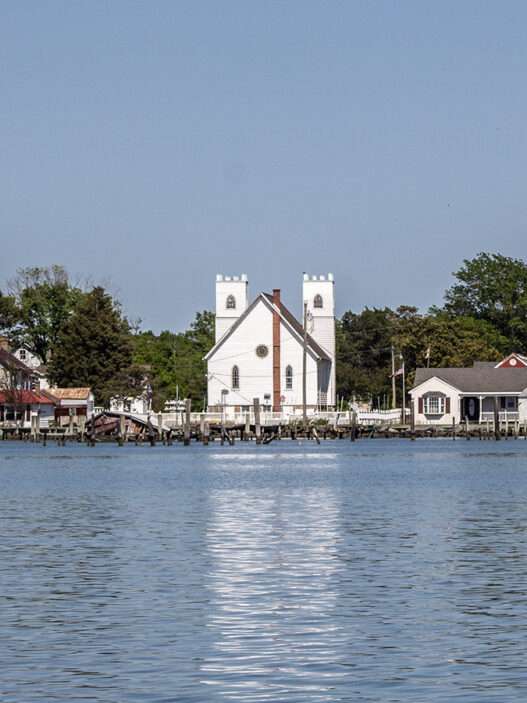








The best island destinations in the US don’t ask for a passport, a long-haul flight, or a currency app that never quite gets the exchange rate right — they mostly ask which ferry you need to catch and what time it leaves. Summer is when these places finally hit their stride, the stretch when the water warms up enough to actually swim, the seasonal restaurants unlock their doors, and the ferries run often enough that you stop planning your day around the schedule.
What surprises most people is the sheer range packed into one country, from car-free villages that still run on horse-drawn carriages to volcanic beaches where the sand is genuinely black and the sunrise happens above the clouds.
Nantucket, Massachusetts
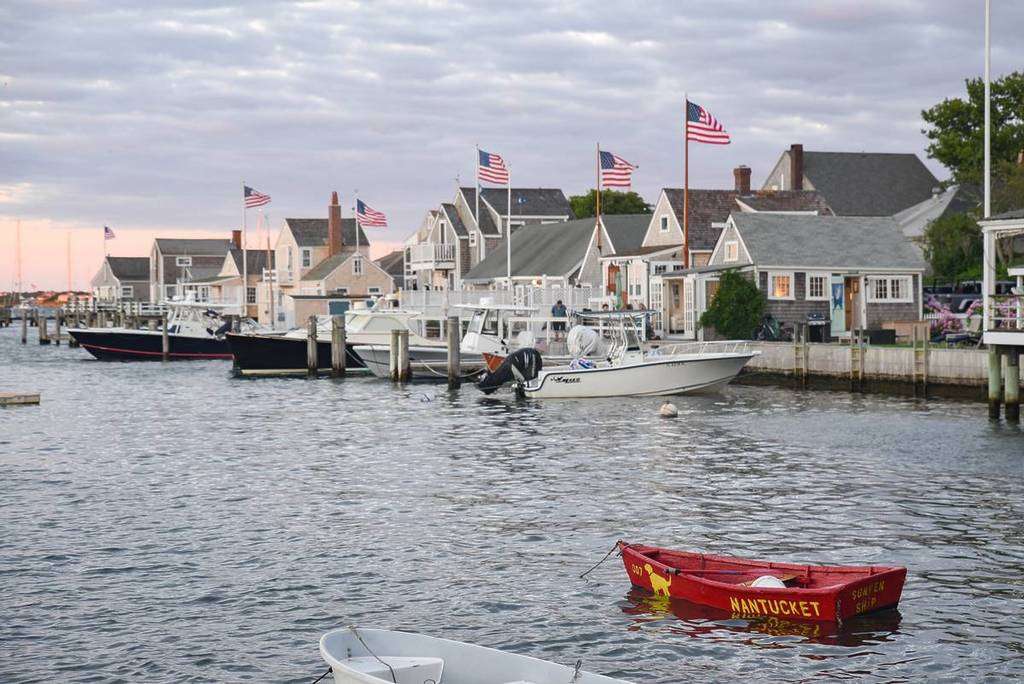
Sitting 30 miles out into the Atlantic off Cape Cod, Nantucket is the rare place that looks exactly like its postcards, a tidy grid of cobblestone streets and gray-shingled cottages that the whaling boom built and the historical commission has frozen in place ever since. Summer days here split neatly between the calm, family-friendly water at Children’s Beach and the serious surf at Cisco Beach, where the brewery of the same name keeps the afternoon going long after you’ve left the sand. It is unapologetically expensive, the kind of island where a basket of fried clams can cost more than your ferry ticket, but the Madaket sunsets over the western shore are free and quietly some of the best on the entire East Coast.
What to Pack for Nantucket
- Packable rain jacket — Atlantic weather turns on a dime out here, and a jacket that folds into its own pocket means you’re never caught off guard between the ferry and dinner.
- Beach tote bag — A roomy, sand-shedding tote carries towels, snacks, and a sweater for the cool evenings out to Cisco and back without falling apart by August.
- Comfortable walking shoes — Those famous cobblestones are brutal on flimsy sandals, so a supportive everyday shoe keeps the in-town wandering pleasant instead of painful.
- Reef-safe sunscreen — The exposed south-shore beaches get full sun all afternoon, and a mineral formula protects your skin without the chemicals that harm the coastal water.
Disclosure: This post contains Amazon affiliate links. As an Amazon Associate, I earn from qualifying purchases at no extra cost to you.
Mackinac Island, Michigan
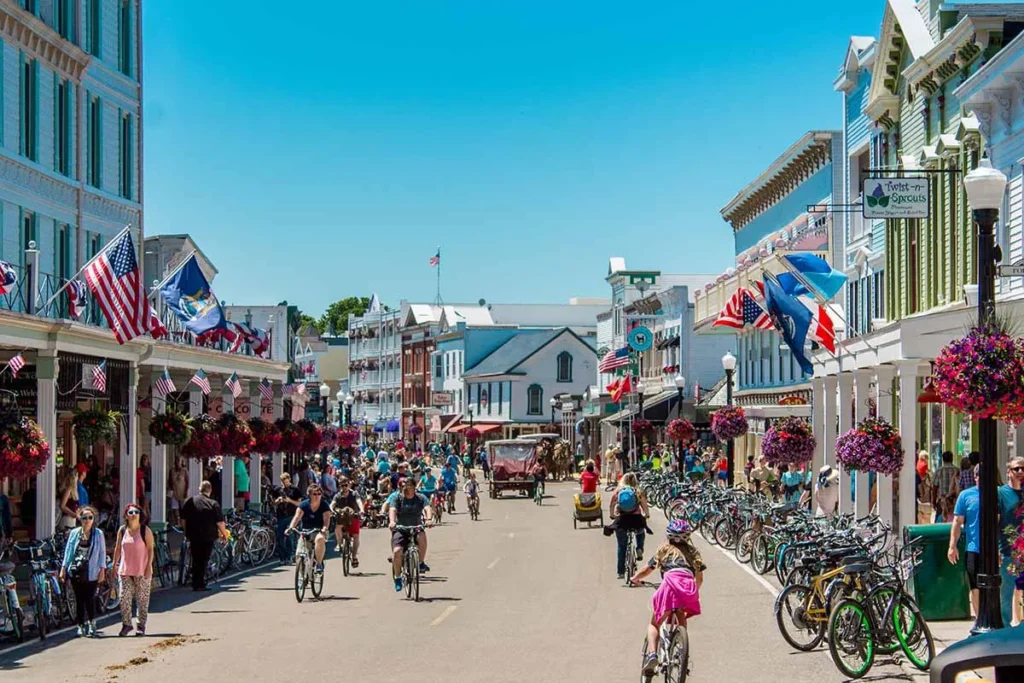
Floating in Lake Huron between Michigan’s two peninsulas, Mackinac has banned automobiles since 1898, which means your only ways around are your own two feet, a rented bicycle, or one of the horse-drawn carriages that clip-clop past the storefronts like it’s still the Gilded Age. The flat, 8-mile road that circles the entire island is the best introduction, a genuinely easy ride with the lake on one side and limestone bluffs on the other, and it dumps you back into town right where the fudge shops have been pulling slabs of the stuff on marble slabs for over a century. The Grand Hotel anchors the whole experience with the longest front porch in the world, and even if you don’t stay the night, the Arch Rock overlook alone justifies the catamaran ferry from Mackinaw City.
What to Pack for Mackinac Island
- Padded bike shorts — You’ll cover that 8-mile loop and then some on two wheels, and a padded short turns a long ride on a rented cruiser into something you’ll happily repeat.
- Lightweight windbreaker — The breeze coming off Lake Huron has a bite even in July, so a thin shell keeps the lakeside stretches comfortable without weighing down your daypack.
- Hiking daypack — A small pack frees your hands for the bike and holds water, fudge, and a layer for the inland trails up to Arch Rock and Fort Holmes.
- Insulated water bottle — There’s no hopping in a car for a cold drink, so a bottle that keeps water cold all day is genuinely useful on a car-free island.
Maui, Hawaii

Maui makes the list because it does so many different things well, from the 53-mile Road to Hana with its waterfalls and one-lane bridges to the sunrise above the clouds at the 10,000-foot summit of Haleakalā, a volcano so high you’ll want a jacket in the tropics. The snorkeling at Molokini Crater, a half-submerged volcanic rim a short boat ride offshore, delivers visibility that regularly tops 100 feet along with sea turtles, reef sharks, and clouds of yellow tang. The resort beaches of Wailea and Kāʻanapali handle the lazy days, while the old whaling town of Lāhainā, slowly rebuilding after the 2023 fires, remains a place worth visiting with both your wallet and your respect.
What to Pack for Maui
- Snorkel set — Rental gear at the beach adds up fast and rarely fits right, so bringing your own mask and snorkel pays for itself by the second day at Molokini.
- Reef-safe sunscreen — Hawaii law restricts the chemicals that bleach coral, so a mineral sunscreen is both required reading and the right thing to do near the reef.
- Packable down jacket — It can hit the 30s at the Haleakalā summit for sunrise, and a jacket that crushes down to nothing is the difference between awe and shivering misery.
- Waterproof dry bag — Between boat trips and the spray on the Road to Hana, a dry bag keeps your phone and wallet safe from the inevitable splash.
San Juan Islands, Washington
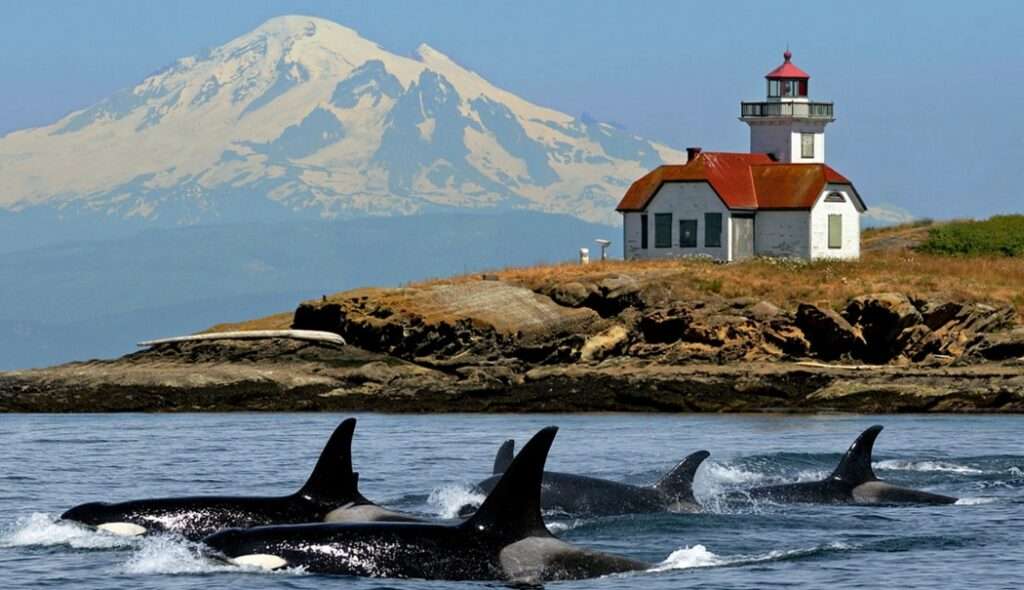
Reached by ferry from Anacortes, the San Juans are the Pacific Northwest’s quieter answer to a tropical getaway, an archipelago of evergreen-covered rocks where the headline attraction is the resident pods of orcas that patrol the surrounding straits all summer. San Juan Island itself is the busiest of the bunch, with the harbor town of Friday Harbor for restaurants and the cliffs of Lime Kiln Point State Park, widely considered one of the best places in the world to watch whales from dry land. Bring layers and lower your temperature expectations, because the magic here is the cool, pine-scented air, the kayaking through glassy coves, and the genuine chance of a black-and-white dorsal fin breaking the surface 50 yards out.
What to Pack for the San Juan Islands
- Compact binoculars — Whales surface fast and far offshore, and a decent pair of binoculars turns a distant splash at Lime Kiln Point into an actual orca you can see.
- Fleece jacket — Even at the height of summer the marine air stays cool, so a warm mid-layer is the piece you’ll reach for on the ferry deck and at dinner.
- Waterproof rain jacket — This is the Pacific Northwest, where a clear morning can flip to drizzle by afternoon, and staying dry on a kayak tour keeps the whole day fun.
- Beanie hat — A light beanie weighs nothing and saves your ears on the open water, where the wind off the strait does most of the cooling.
Disclosure: This post contains Amazon affiliate links. As an Amazon Associate, I earn from qualifying purchases at no extra cost to you.
Catalina Island, California

Just 22 miles off the Los Angeles coast and an hour by fast ferry, Catalina feels improbably Mediterranean for somewhere you can see from the mainland on a clear day, with the small harbor town of Avalon stacked up the hillside in pastel tiers around the iconic round Casino building. The water is startlingly clear for Southern California, which is why the glass-bottom boat tours and the snorkeling at Lover’s Cove have been a thing since long before Instagram, and the island’s interior holds a herd of wild bison left behind by a 1920s film crew that never bothered to round them back up. You won’t need a car, you won’t have great cell service in the backcountry, and both of those facts turn out to be features rather than bugs once you’ve spent a day on island time.
What to Pack for Catalina Island
- Snorkel mask — The water at Lover’s Cove is some of the clearest in Southern California, and a well-fitting mask lets you watch the bright orange garibaldi without renting one dockside.
- Motion sickness bands — The channel crossing can get choppy, and a set of wrist bands or tablets keeps the one-hour ferry from starting your trip on a queasy note.
- Wide-brim sun hat — Avalon’s harbor and the inland trails offer little shade, so a packable brimmed hat is the easiest way to stay out all day without frying.
- Hiking sandals — Between the waterfront and the trailheads, a sturdy sandal handles both pavement and the dusty backcountry paths where you might spot the bison.
Sanibel Island, Florida
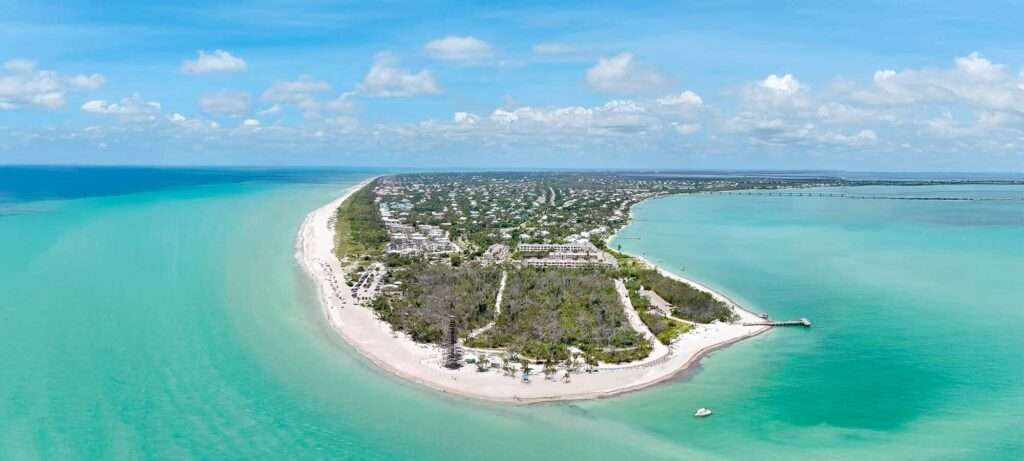
Lying off Fort Myers on Florida’s Gulf Coast, Sanibel runs east-to-west instead of north-to-south, an accident of geography that turns its beaches into a natural net for seashells washing in from the deep Gulf. The result is the best shelling in North America and a posture so common among visitors it has a name, the “Sanibel stoop,” the bent-over shuffle of people scanning the tide line for whelks, conchs, and the prized junonia. More than half the island is protected inside the J.N. “Ding” Darling National Wildlife Refuge, a haven for roseate spoonbills and alligators that has come back strong since Hurricane Ian tore through in 2022, and the rebuilt causeway means the whole place is once again an easy day trip or a long, slow week.
What to Pack for Sanibel Island
- Mesh shell collecting bag — Shelling is the whole point here, and a mesh bag lets the sand and saltwater drain out so you’re not hauling a soggy bucket down the beach.
- Water shoes — The shell beds that make Sanibel famous are also sharp underfoot, so a snug water shoe protects your feet during the low-tide treasure hunt.
- Polarized sunglasses — Polarized lenses cut the Gulf glare so you can actually spot shells in the shallows and the wading birds out at Ding Darling.
- Beach umbrella — The Florida sun is relentless by midday, and a portable umbrella gives you a shaded base camp for the hours you’ll spend hunched over the tide line.
Block Island, Rhode Island
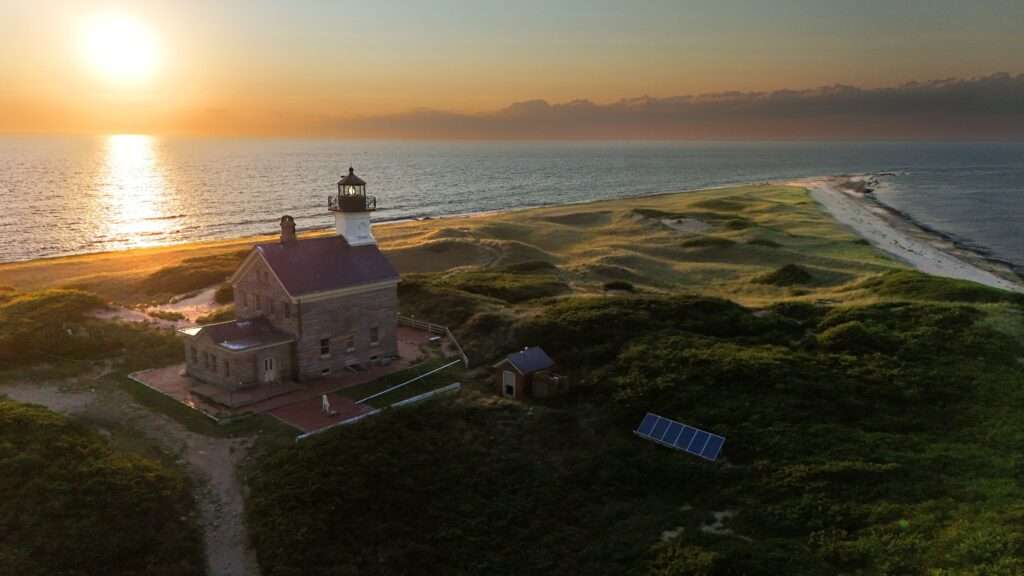
A short hour-long ferry from Point Judith drops you onto Block Island, a 10-square-mile slice of New England where development largely stopped decades ago and the result is 17 miles of beaches with almost nothing built behind them. The signature view is from the Mohegan Bluffs, dramatic clay cliffs on the south shore where a long wooden staircase delivers you to a quiet beach beneath the Southeast Lighthouse, a brick tower that was physically moved back from the eroding edge in 1993. Rent a bike or a moped at the ferry dock, because the island is small enough to circle in an afternoon and pretty enough that you’ll keep stopping for the stone walls, the rolling moors, and the lighthouse at the northern tip where the seals haul out.
What to Pack for Block Island
- Folding beach chair — With 17 miles of nearly empty sand to choose from, a lightweight chair that straps to your back lets you bike out and claim a spot far from the crowds.
- Bike helmet — Bikes and mopeds are the way to see the island, and rental shops rarely stock good helmets, so bringing your own is the smart call on the hilly roads.
- Quick-dry beach towel — A compact, fast-drying towel rolls up small for the descent down the Mohegan Bluffs stairs and won’t stay damp in your pack all afternoon.
- Crossbody bag — A secure crossbody keeps your ferry ticket and phone close while you’re pedaling around, which beats fishing through a backpack at every stop.
Tybee Island, Georgia
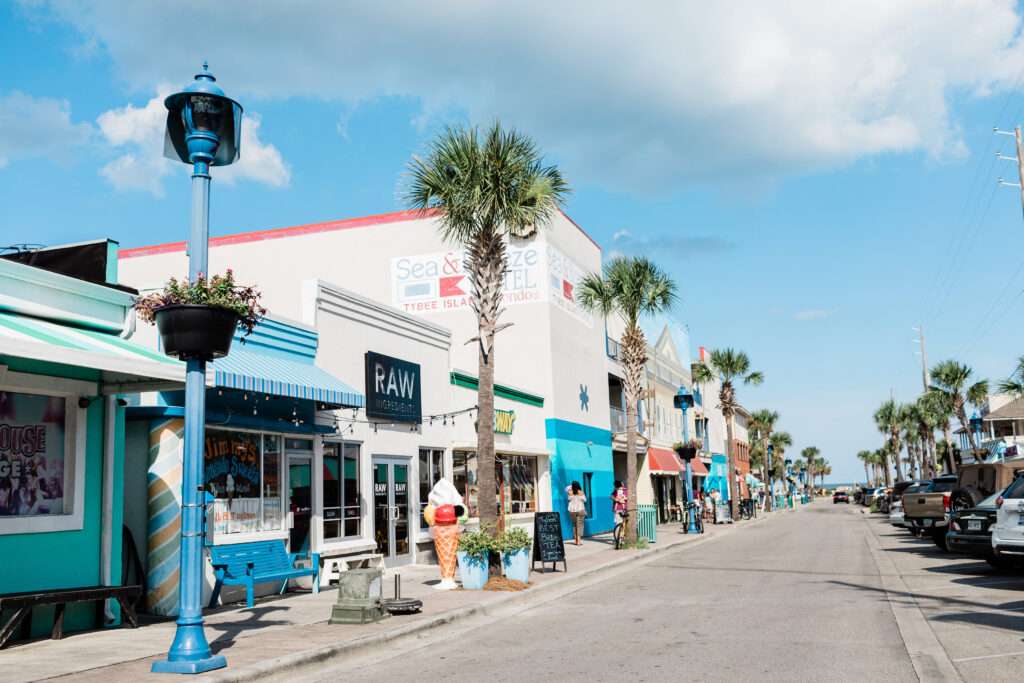
Twenty minutes from downtown Savannah, Tybee Island is the unfussy, flip-flops-and-no-agenda counterpoint to that city’s wrought-iron formality, a small barrier island that locals call “Savannah’s beach” for good reason. The Tybee Island Light Station has guided ships into the Savannah River since the 1700s and still rewards the 178-step climb with a wide view of the marshes and the Atlantic, while the North Beach below it stays calm enough for kids and good enough for spotting dolphins offshore. It is affordable in a way the rest of this list often isn’t, with beach-shack seafood, easygoing pier fishing, and a sunset over the back-river marsh that costs you exactly nothing.
What to Pack for Tybee Island
- Soft cooler — Tybee is a pack-your-own-lunch kind of beach, and a soft cooler keeps drinks and shrimp cold through a long, lazy day on the sand.
- Pop-up beach tent — The Georgia sun is no joke, so a quick-setup tent gives the family a shady retreat between swims at North Beach.
- Waterproof phone pouch — A sealed pouch lets you film the dolphins offshore without panicking about a rogue wave taking out your phone.
- Flip flops — Tybee runs on flip-flops, and a sturdy pair handles the hot sand, the pier, and the walk to the seafood shack without complaint.
Bald Head Island, North Carolina
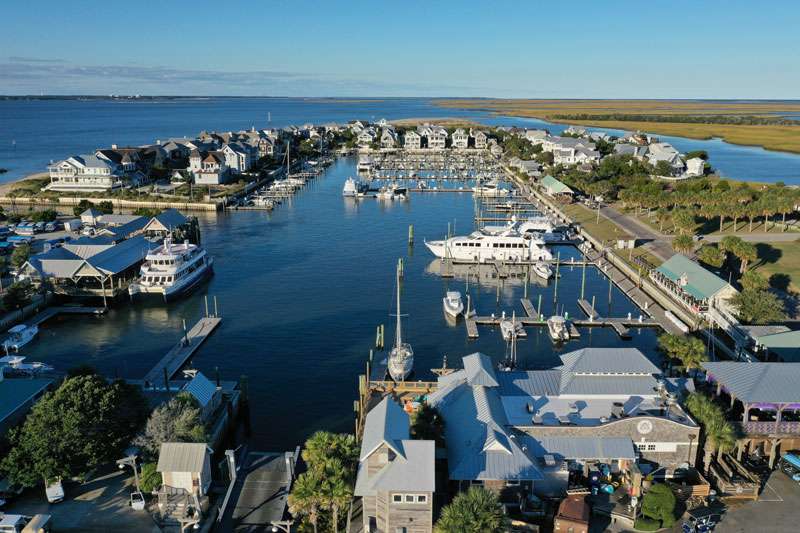
Reached only by a passenger ferry from Southport, Bald Head sits where the Cape Fear River meets the ocean, and the moment you step off the boat you’ll notice there are no cars — the entire island runs on golf carts, bicycles, and bare feet. Old Baldy, the oldest standing lighthouse in North Carolina, presides over a landscape of maritime forest, salt marsh, and 14 miles of beach where loggerhead sea turtles crawl ashore to nest under the protection of a dedicated summer conservancy. This is the island for people who want genuine quiet, the kind where the loudest sound is the wind in the live oaks and the biggest decision of the day is which stretch of empty sand to claim.
What to Pack for Bald Head Island
- Insect repellent — The maritime forest and marsh that make Bald Head beautiful also breed mosquitoes, so a good repellent keeps the evening porch hours from becoming a buffet.
- Red light flashlight — During turtle nesting season, white light disorients the hatchlings, so a red-beam flashlight lets you walk the beach at night without harming them.
- Beach wagon cart — With no cars and golf carts at a premium, a folding wagon hauls your gear from the ferry and across the sand without a dozen trips.
- Rash guard — Long days on those 14 empty miles of beach add up, and a rash guard cuts the sun exposure so you can stay in the water longer.
Key West, Florida
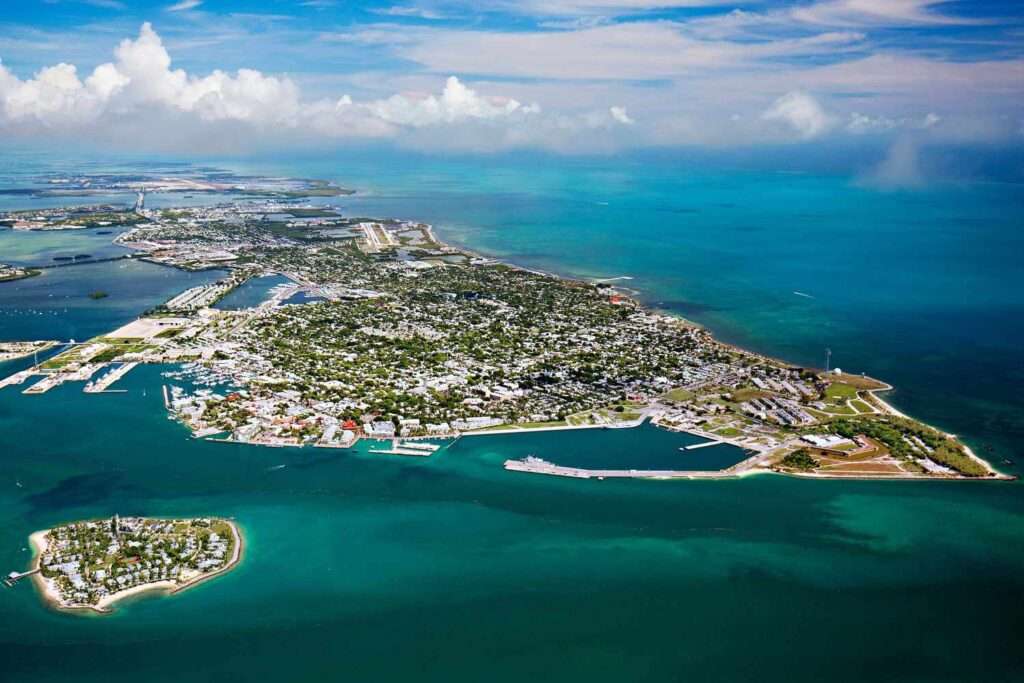
At the very end of the Overseas Highway, 90 miles from Cuba and farther south than most of the Bahamas, Key West is the most famous island on this list and still manages to over-deliver on its reputation. The nightly gathering at Mallory Square turns the sunset into a genuine event with fire-eaters and buskers, Duval Street runs a raucous mile from gulf to ocean, and the Hemingway Home still houses dozens of six-toed cats descended from the author’s own. Beyond the noise there’s real substance, from the snorkeling out at the reef to the quiet swim at Fort Zachary Taylor, and the conch-shack key lime pie that, eaten in the right shaded courtyard, lives up to every word of the hype.
What to Pack for Key West
- Snorkel fins — The reef sits a few miles offshore where currents pick up, and a pair of fins makes the swim easy so you can actually enjoy the coral instead of fighting it.
- Linen shirt — Key West humidity is no place for heavy fabric, and a breathable linen shirt keeps you cool from the Hemingway Home tour through the Duval Street evening.
- Cooling towel — A wet-it-and-snap cooling towel is a small miracle while you’re waiting for the Mallory Square sunset crowd to thin in the late-day heat.
- Portable handheld fan — The southernmost city gets genuinely sticky, and a rechargeable fan earns its space in the bag every time you’re stuck in a line under the sun.
Disclosure: This post contains Amazon affiliate links. As an Amazon Associate, I earn from qualifying purchases at no extra cost to you.
Final Thoughts
The beauty of an American island summer is that you can match the trip to your mood without ever clearing customs — car-free quiet on Bald Head and Mackinac, shelling and wildlife on Sanibel and the San Juans, or full-volume nightlife down in Key West. Every island here is bookable, reachable by ferry or a short flight, and at its absolute best in the warm months. Pick the one that sounds like the version of summer you’ve been picturing, and let the ferry do the rest.