





Some of the best US islands never got a bridge, and that is exactly the point. No causeway means no traffic, no chain hotels, and no day-tripper crush — just a ferry schedule, a duffel bag, and a slower clock the moment you push off from the dock. The ten places below all share one rule: the only way in is across the water, and that single fact keeps them wilder, quieter, and stranger than anywhere you can reach by car.
These range from a Georgia barrier island where horses outnumber buildings to a Lake Superior wilderness where wolves and moose have been studied for decades. I
1. Cumberland Island, Georgia

Cumberland is Georgia’s largest barrier island, reached by the passenger ferry out of St. Marys, and it caps daily arrivals at around 300 people so the place never feels crowded. Wild horses graze in front of the burned-out shell of the Carnegie family’s Dungeness mansion, and more than seventeen miles of undeveloped beach run past dunes and Spanish-moss oak forest with not a single storefront in sight. Bring everything you need, because the closest thing to a shop is the ranger station and the honor-system ice machine.
What to Pack for Cumberland Island
- Water-resistant mineral sunscreen — The dunes offer zero shade, so a sweat- and water-resistant formula keeps you covered through a long beach walk.
- DEET-free mosquito repellent bands — The marsh edges come alive at dusk, and wearable bands spare you from spraying down every hour.
- Oversized sandproof beach blanket — A large sand-shedding blanket gives you a clean base for lunch when there is no boardwalk or bench around.
- Packable UPF 50+ bucket hat — It folds into a pocket and shields your face and neck on the treeless stretches of sand.
- Rechargeable handheld fan — Georgia’s summer humidity is no joke, and a battery fan is the cheapest relief you can carry.
This post contains Amazon affiliate links, and purchases made through them may earn us a small commission at no extra cost to you.
2. Tangier Island, Virginia
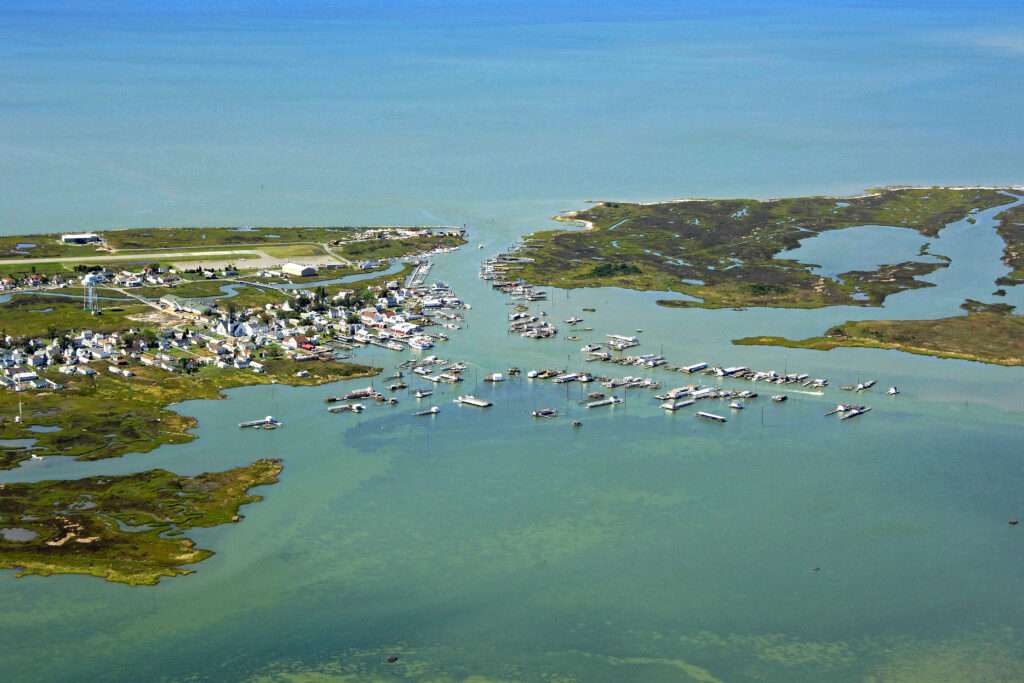
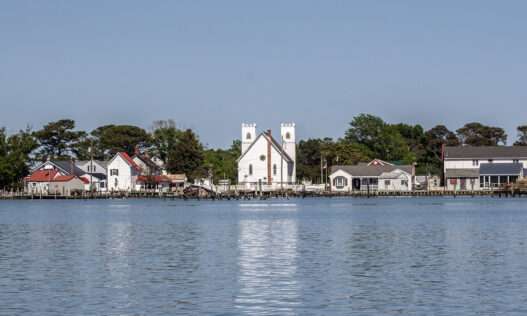
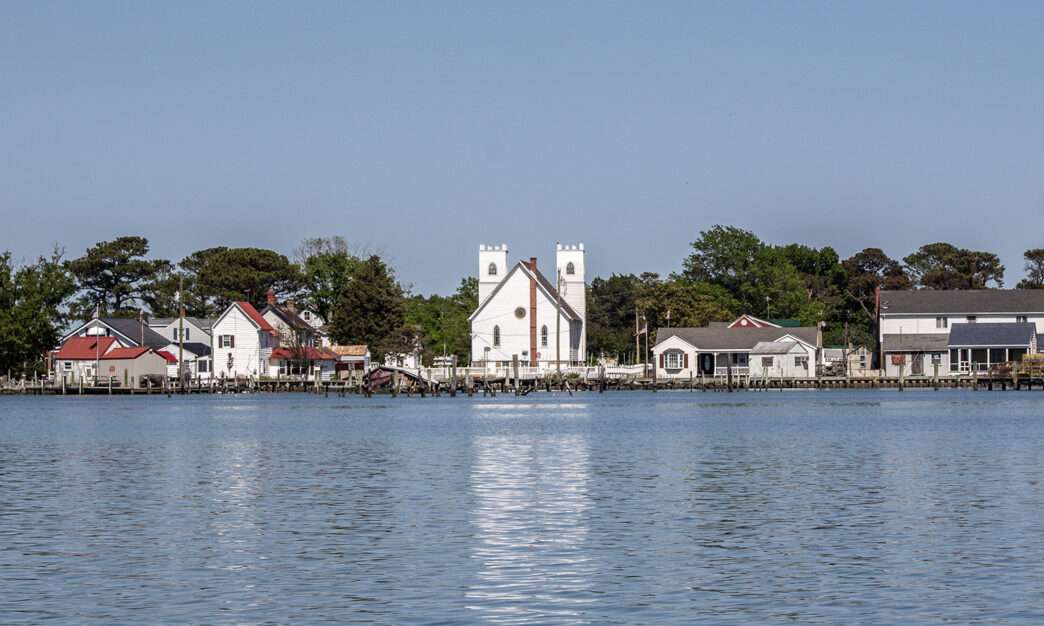
Tangier sits low in the middle of the Chesapeake Bay, reached by mailboat and ferry from Crisfield, and its watermen still pull in a huge share of the region’s soft-shell crabs. Locals speak with a distinct clipped brogue that linguists trace back to early English settlers, and the “roads” are lanes barely wide enough for a golf cart between the crab shanties. The whole island is slowly sinking and eroding, which gives a visit here a quiet urgency you feel walking the ridge.
What to Pack for Tangier Island
- Zinc face sunscreen — Glare bounces off the flat Bay water from every angle, so a dedicated face formula matters here.
- Polarized sunglasses — Polarized lenses cut the water shine and let you actually see the crab pots and skiffs.
- Waterproof phone pouch — Boat spray on the crossing finds every pocket, and this keeps your phone dry and usable.
- Compact folding beach chair — There is not much seating on the island, so a packable chair turns any dock into a front-row seat.
- Misting handheld fan — The fine mist plus airflow takes the edge off a muggy afternoon of harbor-watching.
3. Monhegan Island, Maine

Monhegan lies about ten miles out from Port Clyde, a plain little ferry ride that lands you in a century-old artists’ colony where Rockwell Kent and Jamie Wyeth both painted. Seventeen miles of footpaths lace the island, running through the mossy Cathedral Woods and out to the Whitehead cliffs, which drop roughly 150 feet straight into the surf. There are no cars and effectively one general store, so the loudest thing you hear all day is usually the wind.
What to Pack for Monhegan Island
- Hydrating daily mineral sunscreen — Cliff hikes leave you exposed for hours, and a gentle daily formula reapplies without the greasy feel.
- 4K wearable action camera — It films hands-free while you scramble the Whitehead cliffs, where you need both hands for the rocks.
- Polarized sport sunglasses — The lightweight wrap style stays put on windy trails and kills the ocean glare.
- No-white-cast face sunscreen serum — A serum texture layers cleanly under a hat and leaves no chalky film in photos.
- Pocket handheld fan — Small enough to forget you packed it, useful the moment the wind drops on a sunny afternoon.
4. Cuttyhunk Island, Massachusetts
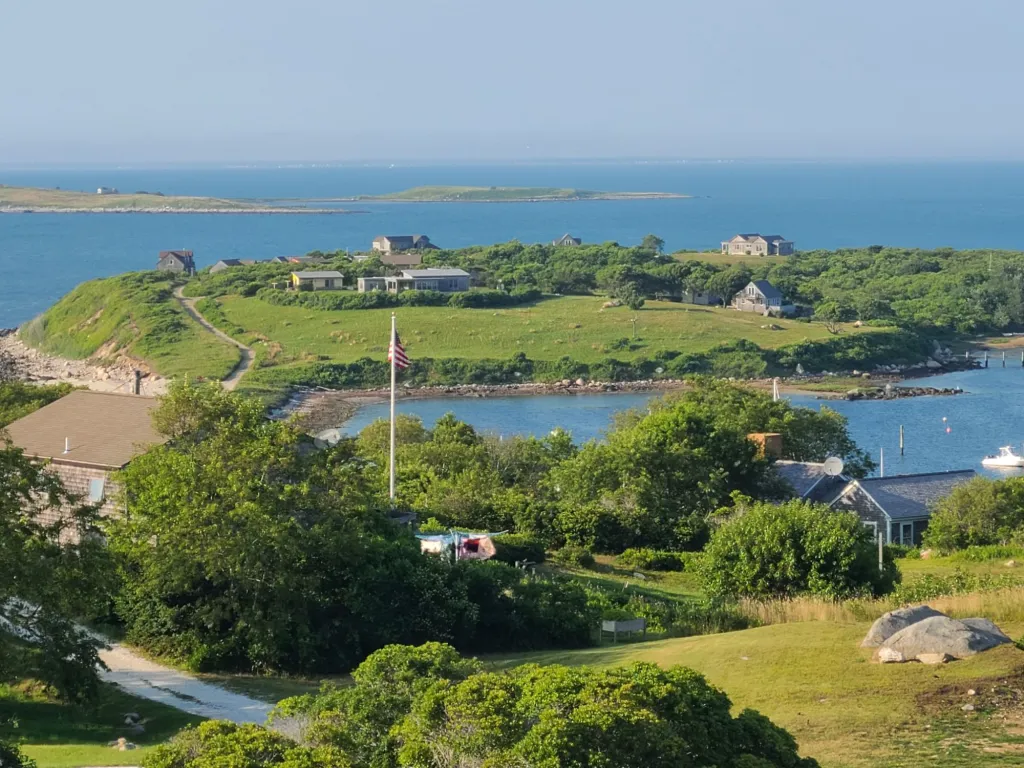
Cuttyhunk is the outermost of the Elizabeth Islands, a New Bedford ferry ride from the mainland, and its year-round population hovers around a dozen people. Anglers know it as one of the East Coast’s legendary spots for striped bass, and the local shellfish farm sells raw oysters you can slurp right on the dock at sunset. Climb Lookout Hill and you can see clear across to Martha’s Vineyard, usually with nobody else up there.
What to Pack for Cuttyhunk Island
- Reef-safe SPF 50 — The water here is clear and worth protecting, and a reef-safe formula does the job without harsh chemicals.
- Pop-up UPF 50+ beach shade tent — The beaches are open and exposed, so a quick shade tent is the difference between an hour and a full day out.
- Long-lasting reusable ice packs — With no store to restock from, these keep fresh oysters and drinks cold for the whole trip.
- 20-hour rechargeable fan — A full-day battery matters on an island where you cannot just duck inside to cool off.
- Arch-support flip-flops — Comfortable enough for the walk up Lookout Hill and back down to the dock.
5. Bald Head Island, North Carolina
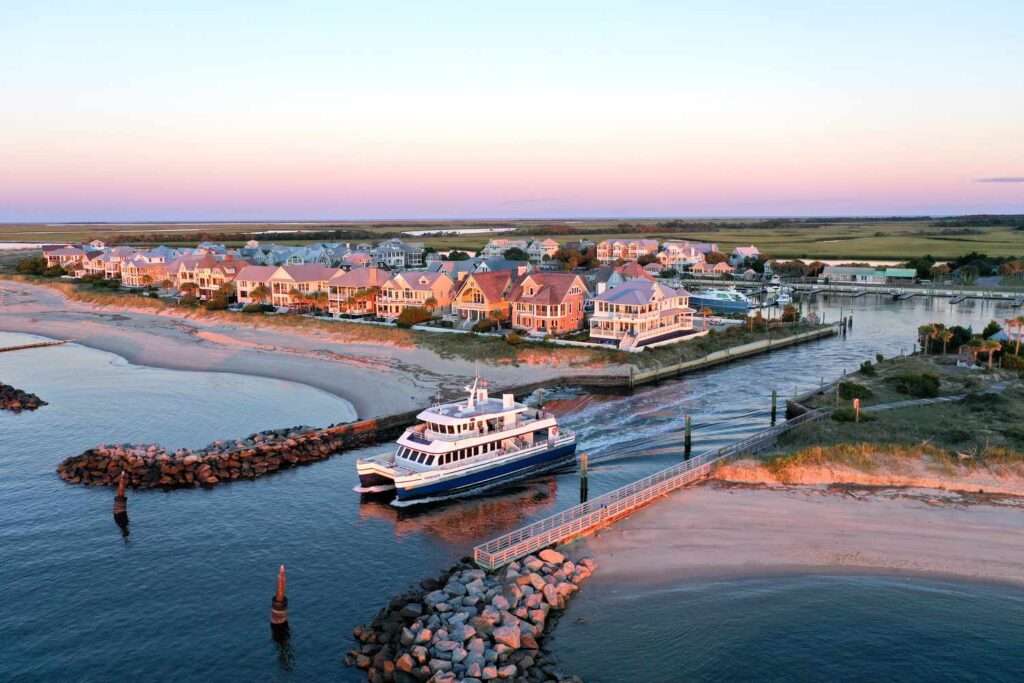
Bald Head sits at the mouth of the Cape Fear River, reached by ferry from Southport, and once you arrive there are no cars at all — only golf carts and bikes. Old Baldy, built in 1817, is the oldest standing lighthouse in North Carolina, and the island protects around 10,000 acres of maritime forest where loggerhead turtles nest each summer. Three distinct beaches wrap the point, and the currents where the river meets the ocean make the swimming lively.
What to Pack for Bald Head Island
- Broad-spectrum body sunscreen — An easy-spreading body lotion covers you for a full day split across three beaches.
- Windproof beach umbrella with a sand anchor — The breezy point sends flimsy umbrellas flying, so the sand anchor is not optional here.
- Quick-dry water shoes — The tidal flats and river currents are easier on your feet with a grippy, fast-drying shoe.
- Waterproof outdoor speaker — It rides along on the golf cart and shrugs off splashes at the water’s edge.
- DEET-free repellent bands — The maritime forest gets buggy at dusk, and these are easy to slip on before a sunset ride.
This post contains Amazon affiliate links, and purchases made through them may earn us a small commission at no extra cost to you.
6. Ocracoke Island, North Carolina
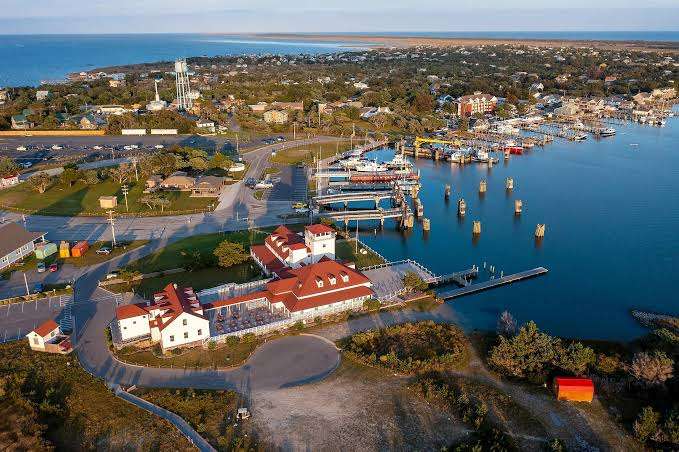
Ocracoke is the southern tip of the Outer Banks and one of the very few US islands you can reach only by ferry, with boats running from Hatteras, Cedar Island, and Swan Quarter. A herd of wild Banker ponies still lives here, the 1823 lighthouse is among the oldest still operating in the country, and Blackbeard the pirate met his end in the inlet just offshore. The little Silver Lake harbor village is walkable end to end, which is a relief since the ferry ride can eat half your day.
What to Pack for Ocracoke Island
- SPF 50 spray sunscreen — A spray covers you fast between ferry, beach, and village without slowing anyone down.
- Waterproof sandproof beach mat — Lightweight and sand-shedding, it rolls up small for a bag you have to carry on and off a boat.
- Slim rechargeable fan — Thin enough to slide into any tote for the walk through the harbor village.
- Swimsuit cover-up sarongs — A quick wrap takes you from the sand to a lunch spot without changing.
- Leak-proof silicone bottle covers — They keep toiletries from exploding in your bag on a bouncy crossing.
7. Catalina Island, California
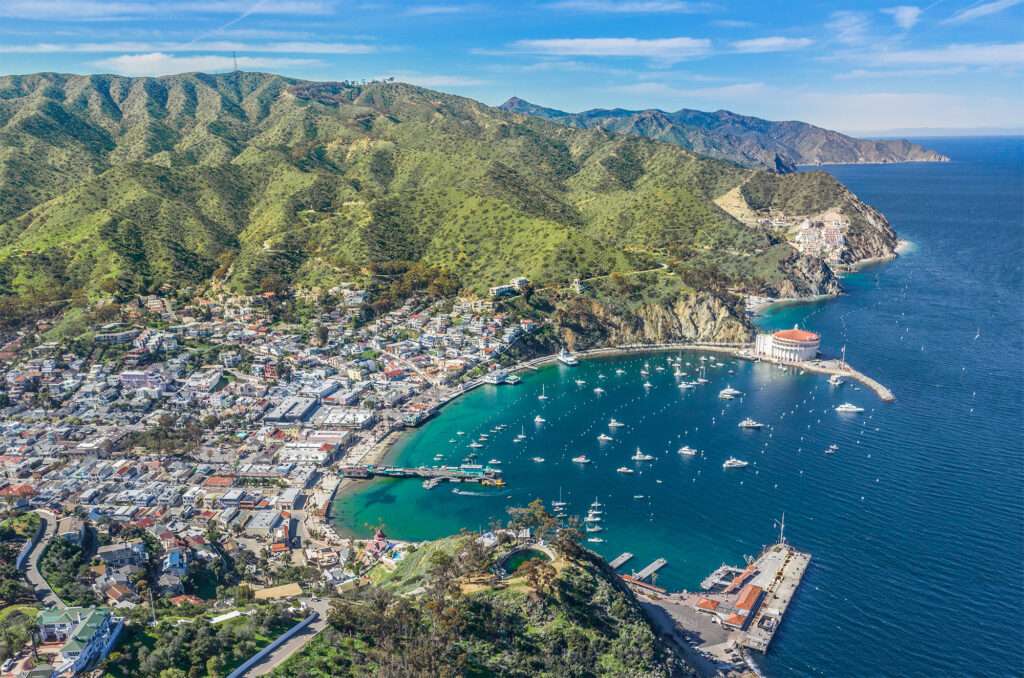
Catalina floats about 22 miles off the Los Angeles coast, reached by fast ferry from Long Beach, San Pedro, or Dana Point, and its harbor town of Avalon is crowned by the round 1929 Casino ballroom. The water is unusually clear for Southern California, which makes the kelp-forest snorkeling at Lover’s Cove and the glass-bottom boat tours genuinely worth it. A small herd of bison has roamed the interior since a 1924 film crew left them behind, and residents wait years for the right to bring a car.
What to Pack for Catalina Island
- Reef-safe mineral sunscreen — The kelp-forest snorkeling deserves a formula that will not harm what you came to see.
- Hawaii-compliant reef-safe SPF 50 — A second reef-safe option for reapplying after every dip at Lover’s Cove.
- 3-liter hydration backpack — The interior trails are dry and shadeless, and a bladder pack keeps water on your back and hands free.
- 12-volt portable electric cooler — Plug it in on the boat or cart to keep drinks genuinely cold on a long Avalon beach day.
- Turbo handheld fan with an ice tray — The ice tray drops the air temperature for real relief when the harbor heats up.
8. Smith Island, Maryland
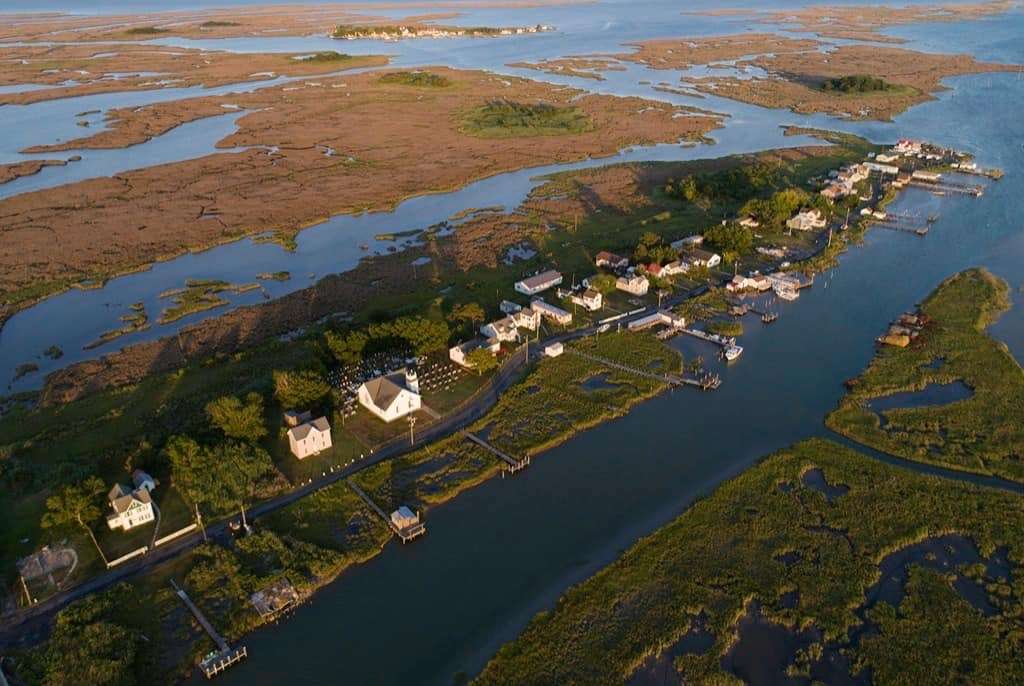
Smith is Maryland’s only inhabited offshore island, reached by mailboat from Crisfield, and it is the birthplace of the towering ten-layer Smith Island Cake, the official state dessert. Cut off from the mainland for generations, the island kept its own cadence and crabbing culture, with shanties out over the water and skiffs tied at nearly every back door. There is no bridge, few services, and a real sense that the marsh is slowly winning.
What to Pack for Smith Island
- 100% zinc mineral sunscreen — The open marsh has no cover, so a heavy-duty zinc block is your best defense.
- Moisturizing mineral face sunscreen — A lighter face formula that layers under the zinc without feeling like a mask.
- Packable straw sun hat — Wide brim, folds flat, and shades your neck through a shadeless afternoon.
- Compact first-aid and survival kit — With no pharmacy on the island, a small kit covers scrapes, blisters, and surprises.
- Ice-cooling handheld fan — The cooling plate takes the sting out of the sticky Bay heat.
9. Isle Royale, Michigan
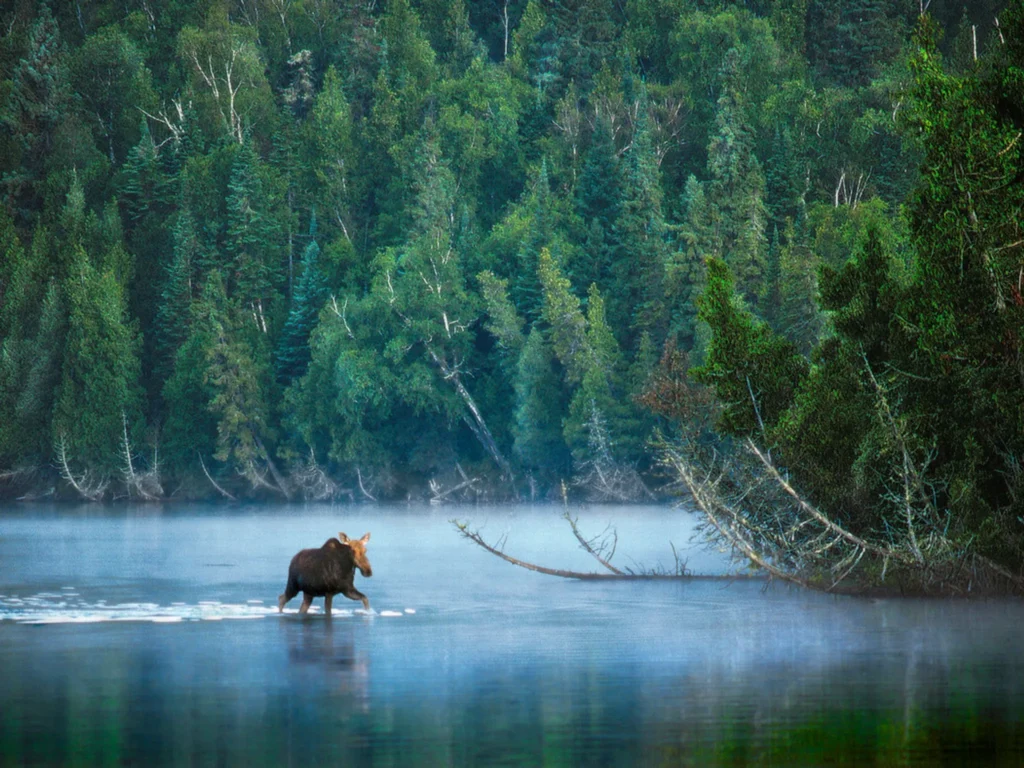
Isle Royale is a wilderness national park adrift in Lake Superior, reached by ferry or seaplane from Houghton, Copper Harbor, or Grand Portage, and it is routinely the least-visited national park in the lower 48. It is home to the longest-running predator-prey study on Earth, tracking the islands’ wolves and moose for more than six decades, and the 40-mile Greenstone Ridge Trail runs its rocky spine. The park shuts down entirely in winter, so the season to go is short and the solitude is total.
What to Pack for Isle Royale
- Unscented mineral sunscreen — A scent-free formula keeps a low profile in moose and wolf country.
- 18-liter hydration hiking pack — Sized for a full day on the Greenstone Ridge with water built into the pack.
- Foldable self-inflating sleeping pad — Packs down small and adds real insulation on cold Lake Superior ground.
- Wide-brim UPF 50+ trail hat — The exposed ridgeline has long stretches with no tree cover at all.
- Zinc broad-spectrum sunscreen — An easy reapply option for the miles between shade.
This post contains Amazon affiliate links, and purchases made through them may earn us a small commission at no extra cost to you.
10. Daufuskie Island, South Carolina
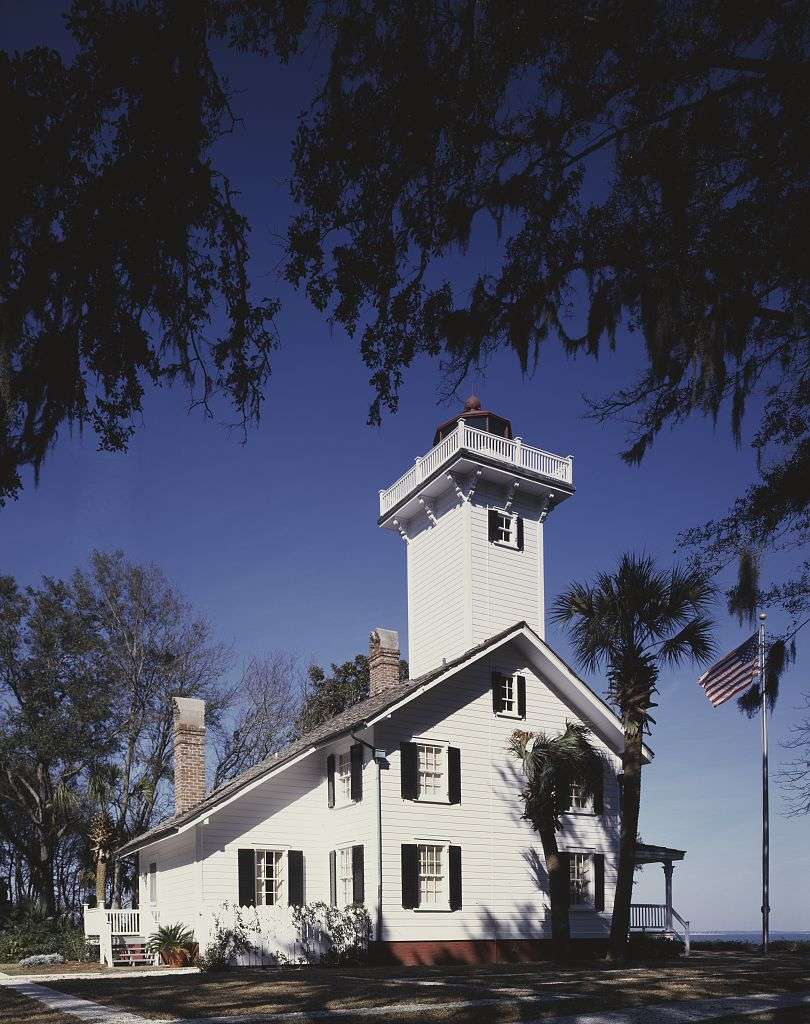
Daufuskie floats between Hilton Head and Savannah with no bridge to either, reached only by ferry, and it holds one of the richest surviving pockets of Gullah Geechee culture on the Southeast coast. Author Pat Conroy taught in the island’s two-room schoolhouse and turned the experience into The Water Is Wide, and today golf carts roll past ancient oyster middens and live oaks dripping with moss. It is the kind of place where the ferry captain knows everyone getting off the boat.
What to Pack for Daufuskie Island
- Invisible SPF 50 face sunscreen — Dries clear with no cast, so you stay photo-ready under the live oaks.
- Leather flat sandals — Comfortable for cart-cruising the sandy lanes and slipping on and off at the ferry.
- Sleeveless floral beach dress — An easy Lowcountry piece for a slow, warm day on the island.
- Packable straw fedora — Folds into your bag and adds shade with a bit of style.
- Tinted mineral face sunscreen — A hint of tint evens things out while it protects.