


Fall does something strange to the national park system. The parks everyone knows stay busy through October, but the ones nobody thinks about drop off a cliff — trailhead lots with four cars in them, campgrounds where you can hear the river, visitor centers where a ranger has time to actually talk to you. The math is stark: Yellowstone logged more visits in July 2025 alone than several of the parks on this list saw all year.
The ten parks below are quiet by default and even quieter once school starts. Some sit four hours from the nearest major airport. Some run cold enough by mid-October that the casual crowd stays home. All of them are worth the drive, and most of them are at their best exactly when nobody shows up.
North Cascades National Park, Washington
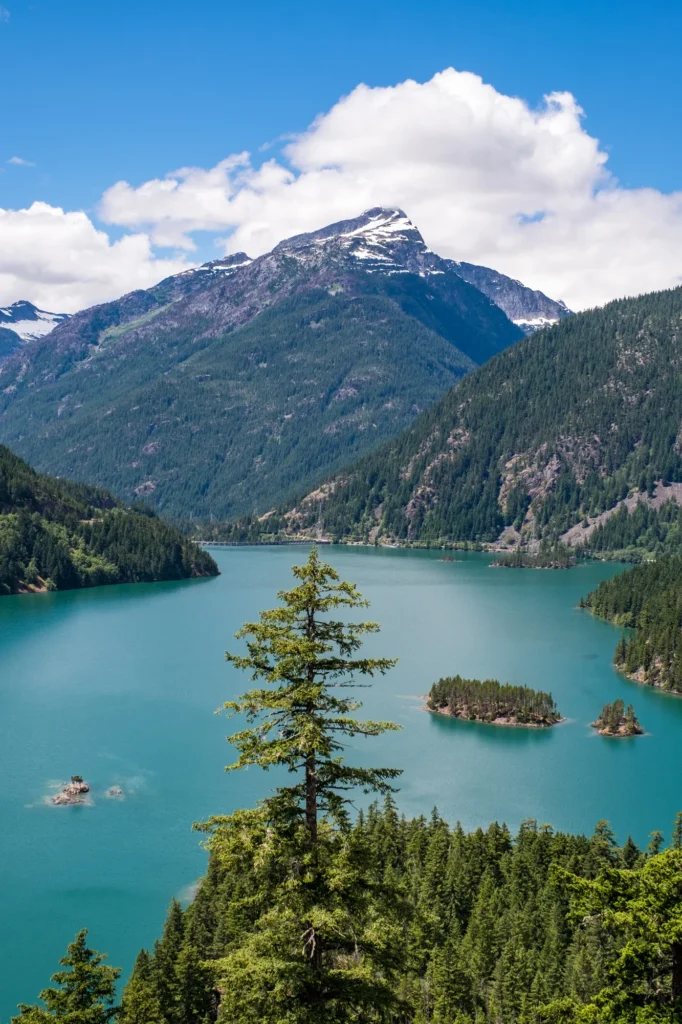
North Cascades recorded 46,925 visits in all of 2025 while Olympic, a few hours down the road, pulled more than 3.5 million — and the park sits under three hours from Seattle. Fall is when the larches turn gold in the high country above Rainy Pass and Maple Pass, a two-week window in early-to-mid October that most of the state sleeps through. One important note for 2026: State Route 20, the highway that gets you into the heart of the park, stayed closed until June 14 after December flooding and a March rockslide tore up six miles of roadbed, so it opened later than any year since 1974 and the fall season is running on a compressed calendar.
What to Pack for North Cascades National Park
- Adjustable folding trekking poles — The Maple Pass descent is steep, loose, and long enough to make your knees file a complaint.
- Roll-top waterproof dry bag — Cascade weather turns from clear to sideways rain in under an hour, and wet layers ruin a cold day fast.
- Waterproof phone pouch two-pack — Clips to a pack strap so you can shoot Diablo Lake in a downpour without gambling your phone.
Great Basin National Park, Nevada
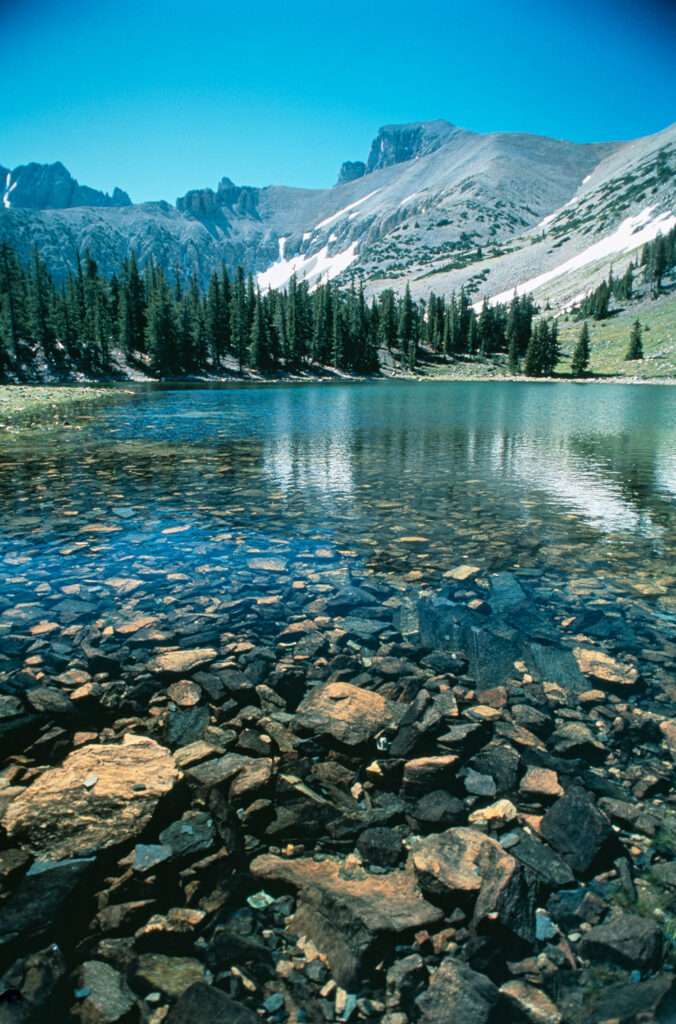
Great Basin logged 161,210 visits in 2025, which made it the fourth least visited park in the lower 48 despite being one of the easiest to reach — a paved road climbs from desert floor to 10,000 feet on the Wheeler Peak Scenic Drive. The aspen groves along that drive turn hard yellow in late September and early October, and the bristlecone pines near the top include trees that were already ancient when Rome was a village. Nights here are the real draw, because the park holds an International Dark Sky designation and October delivers early darkness with almost nobody standing under it.
What to Pack for Great Basin National Park
- Rechargeable camping lantern and spotlight — At 10,000 feet the sun drops behind the ridge and the temperature follows it down within minutes.
- Three-season sleeping bag — The minimum for Wheeler Peak Campground in October, when overnight lows regularly slide below freezing.
- Memory foam camping mattress pad — Ground at that elevation pulls heat out of you faster than the air does.
Congaree National Park, South Carolina
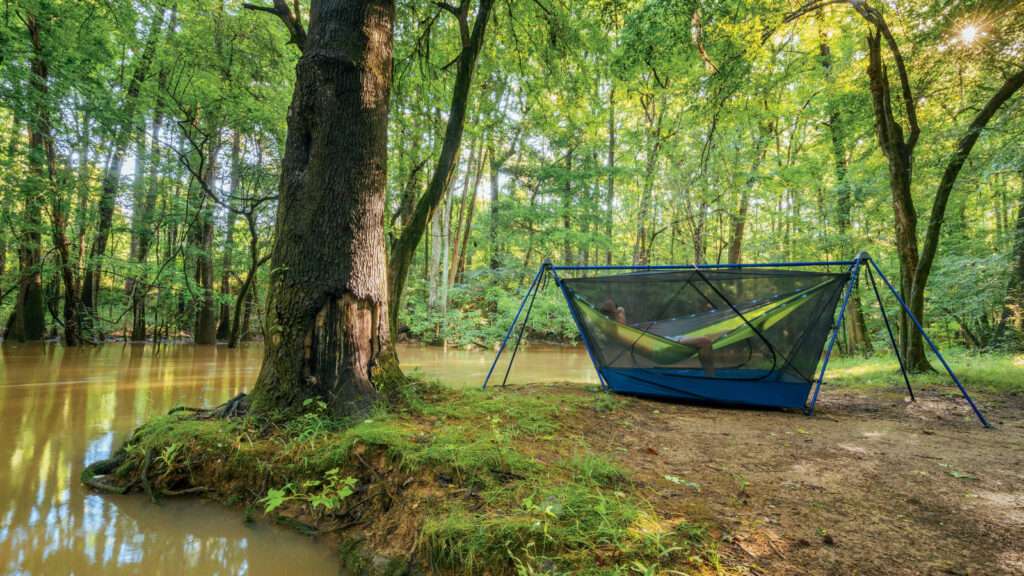
Congaree in summer is a humidity experiment with mosquitoes as the control group, which is exactly why fall is the only sane time to go. By late October the old-growth bald cypress and tupelo turn rust and gold, the boardwalk loop is dry enough to walk without a swamp report, and the mosquito meter at the visitor center finally drops out of the red. The park protects the largest intact expanse of old-growth bottomland hardwood forest left in the Southeast, with some loblolly pines topping 160 feet, and you can paddle Cedar Creek through the middle of it without passing another boat.
What to Pack for Congaree National Park
- Natural tick repellent patches — Ticks stay active in South Carolina well into fall, and this beats dousing a kid in spray before a boardwalk walk.
- Floatable waterproof phone pouch — On the Cedar Creek paddle, a capsize means your phone goes to the bottom of a blackwater channel.
- Quick-dry water-resistant hiking pants — Sections of the Weston Lake trail stay muddy long after the water drops.
Guadalupe Mountains National Park, Texas
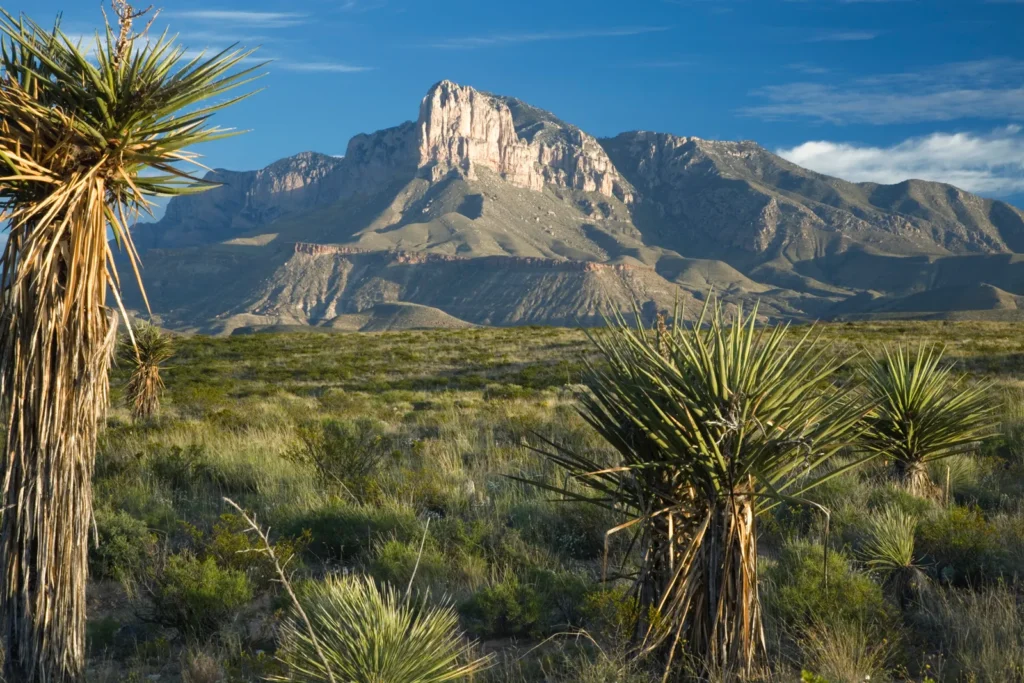
McKittrick Canyon is the reason to come, and it peaks in a narrow window from late October into early November, when the bigtooth maples and velvet ash light up a canyon most people assume is nothing but Chihuahuan Desert scrub. The park also holds Guadalupe Peak, the highest point in Texas at 8,751 feet, and the 8.4-mile round trip gains about 3,000 feet with nothing between you and the sun for most of it. Wind is the defining condition here — gusts over 70 mph are routine in shoulder season, and the park closes trails when it gets serious, so check conditions before you commit to a summit day.
What to Pack for Guadalupe Mountains National Park
- 2L hydration backpack with bladder — There is no water on the Guadalupe Peak trail, which makes this the difference between a good day and a bad one.
- Patella tendon knee straps — The descent is where people get hurt, and these take real pressure off 3,000 feet of downhill switchbacks.
- Cushioned walking insoles — The rock here is limestone, and it punishes thin midsoles by mile three.
Capitol Reef National Park, Utah
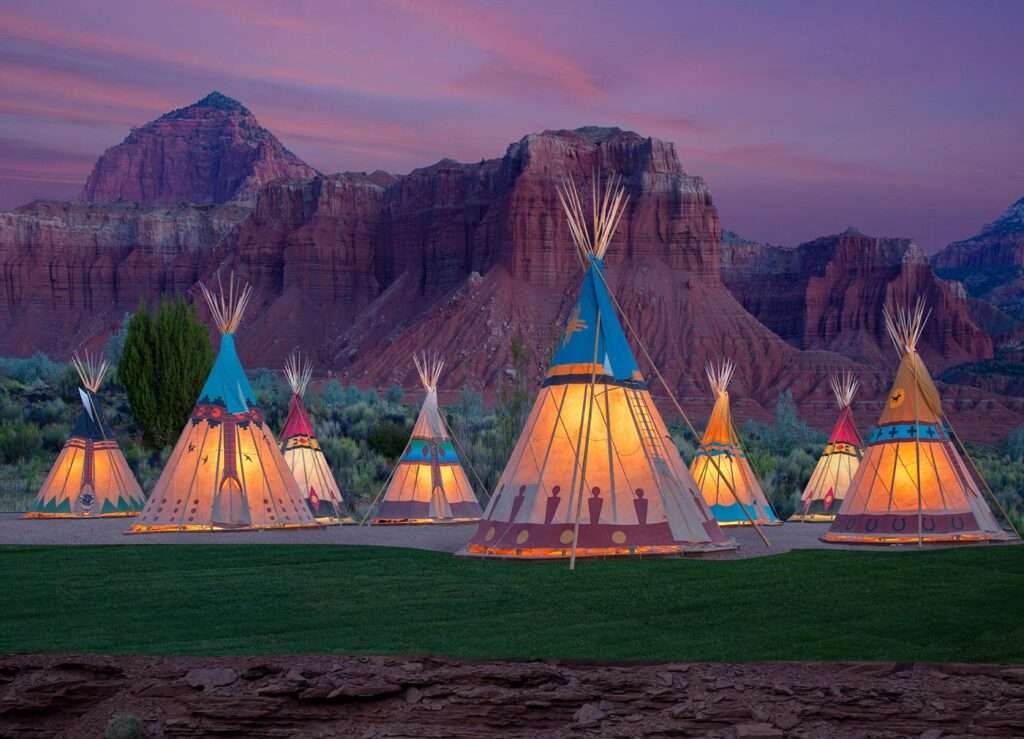
Capitol Reef is the Utah park that Zion and Arches crowds drive past, and fall is when the cottonwoods along the Fremont River turn the canyon floor bright yellow against red Wingate sandstone. The Fruita historic orchards still produce, and the fall harvest — mostly apples into October — lets you pick fruit inside a national park for a few dollars a pound. Daytime highs in October settle into the 60s and 70s instead of the brutal high-90s of July, which makes the Cassidy Arch and Grand Wash hikes genuinely pleasant instead of an endurance event.
What to Pack for Capitol Reef National Park
- Mineral sunscreen spray SPF 50+ — Desert sun at 5,500 feet is stronger than the temperature suggests, so reapply at lunch.
- Polarized sunglasses — Glare bouncing off slickrock is what gives people headaches by mid-afternoon.
- Collapsible water bottle — Packs flat once empty, which matters when you are hopping in and out of the car at six trailheads.
Lassen Volcanic National Park, California
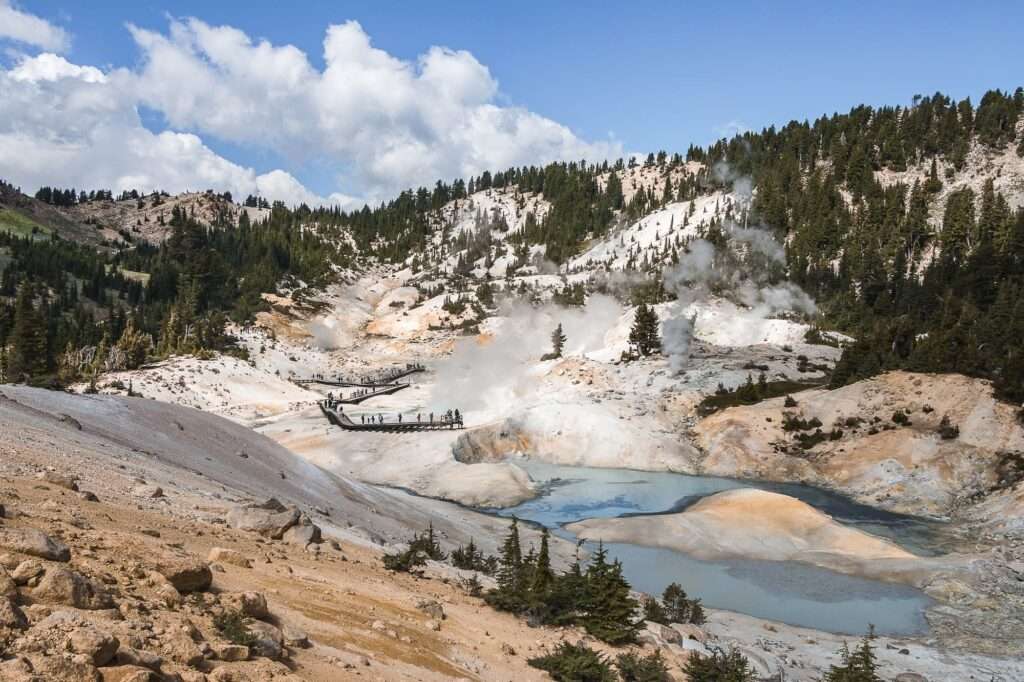
Lassen is what Yellowstone would be with 95% fewer people — boiling mud pots, fumaroles, and sulfur vents at Bumpass Hell, minus the boardwalk traffic jam. Fall is the sweet spot between the snow melting off the high country and the Lassen Peak Highway closing, which usually happens with the first serious storm in late October or November. The Kings Creek Falls and Bumpass Hell trails stay open into October in most years, and the campgrounds at Manzanita Lake and Summit Lake empty out completely once Labor Day passes.
What to Pack for Lassen Volcanic National Park
- Instant cabin tent with 60-second setup — Worth the money when you are pitching camp at 6,700 feet in fading light and dropping temperatures.
- 18-piece camping cookware mess kit — Covers a full car-camping kitchen without the bulk of a hard case.
- Portable propane canister — Cold weather drains fuel faster than you expect, and the nearest store is a long way down the mountain.
Voyageurs National Park, Minnesota
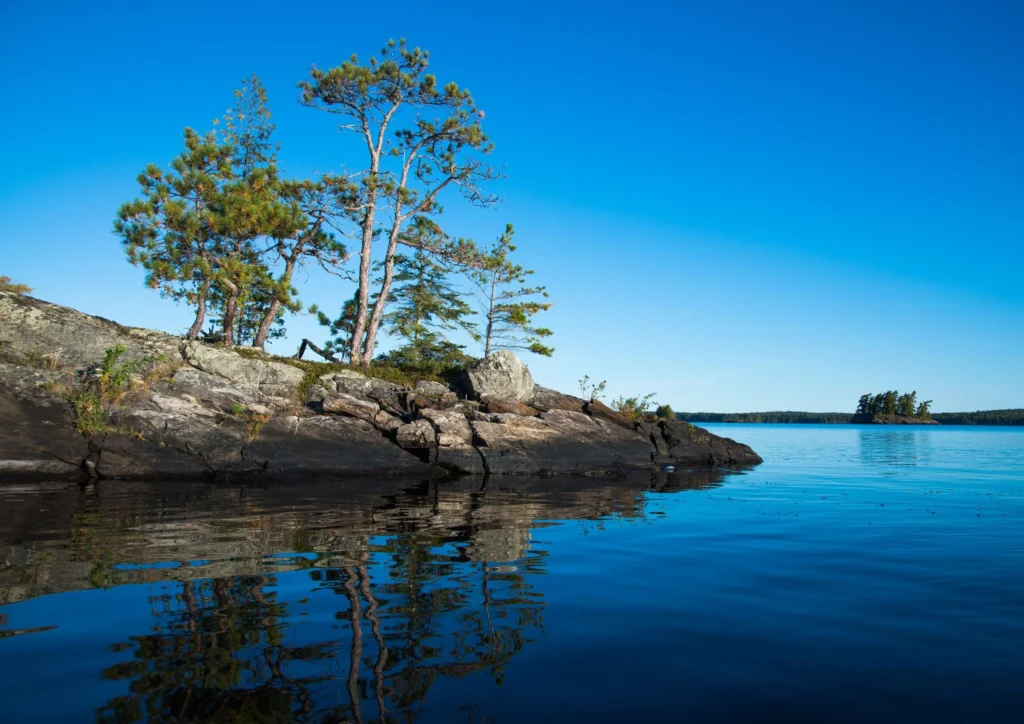
Voyageurs is 40% water, which means most of the park is only reachable by boat and most people never bother — the interior of the Kabetogama Peninsula sees a fraction of the traffic the mainland visitor centers do. Fall turns the shoreline birch and aspen gold against black spruce, usually peaking in late September, and the bugs that make July miserable are simply gone. The other reason to come in fall is the aurora, since the park sits far enough north and dark enough that northern lights displays are a realistic possibility on clear September and October nights.
What to Pack for Voyageurs National Park
- Heavy-duty waterproof roll-top backpack — Spray is constant across Rainy and Kabetogama Lake, and swamping is not theoretical.
- Collapsible water filter bottle — Weighs almost nothing and turns lake water into drinking water on any island campsite.
- Lightweight waterproof sleeping bag — Handles the 30s and 40s that northern Minnesota starts serving up in late September.
Black Canyon of the Gunnison National Park, Colorado
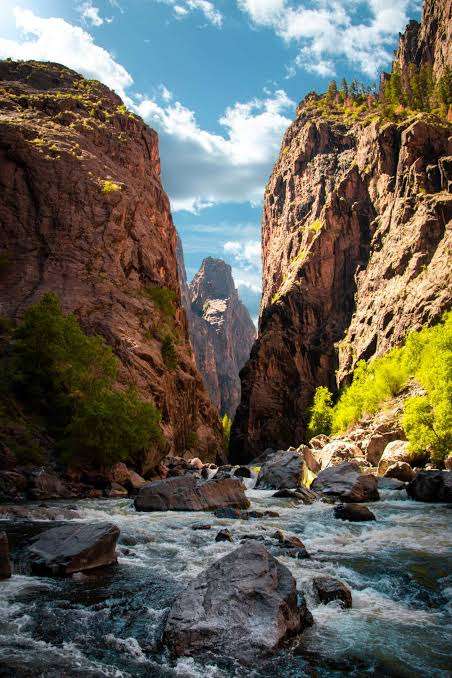
Black Canyon is a 2,722-foot drop to the Gunnison River with unfenced overlooks and walls so steep that parts of the canyon floor get 33 minutes of sunlight a day. The park is still recovering from the South Rim Fire, which lightning sparked on July 10, 2025 and which closed the entire park for the first time in its history — nearly 80% of the South Rim burned, and the South Rim Campground is running at reduced capacity for 2026. Fall is the smart time to visit anyway: peak season runs June through September, the North Rim road and its 13-site first-come campground stay open until roughly mid-November, and the scrub oak turns deep red along both rims in October.
What to Pack for Black Canyon of the Gunnison National Park
- Waterproof action camera — Handles the overlooks better than a phone, especially at Painted Wall where the light is contrasty and the wind is constant.
- Survival hiking staff with multi-tool — Earns its weight on the Gunnison Route, an unmarked scramble that drops 1,800 feet and is capped at 15 people a day.
- High-back double camping chair — At the North Rim campground the whole evening plan is sitting still and watching a dark-sky park get dark.
Theodore Roosevelt National Park, North Dakota
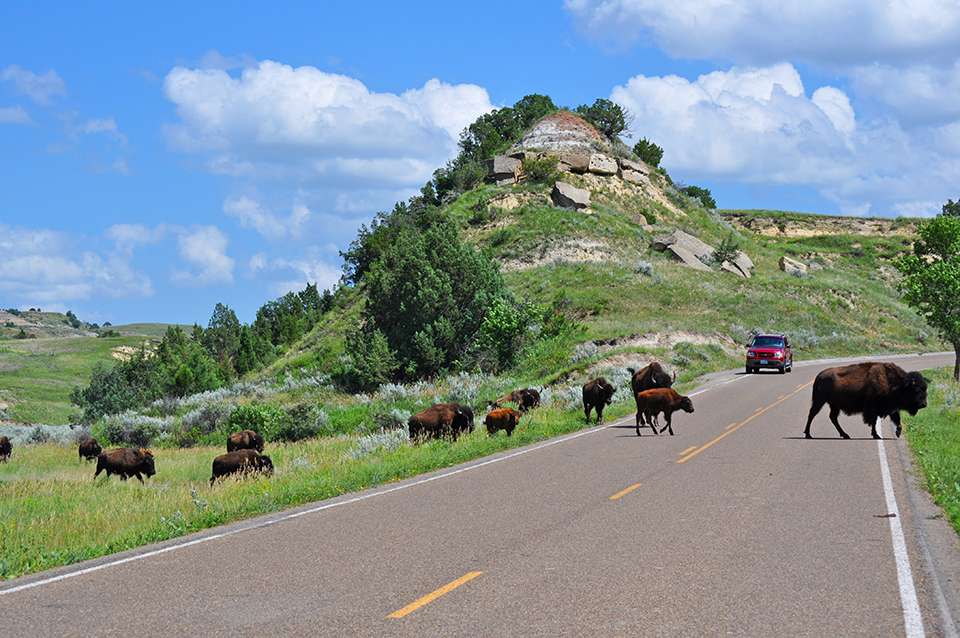
The badlands cottonwoods go gold in late September and early October, and the bison rut runs through early fall, which means you can watch bulls posturing across the Little Missouri River valley with maybe two other cars at the pullout. The South Unit’s 48-mile scenic loop does most of the work from behind a windshield, but the North Unit an hour north is where the real emptiness lives — fewer than a fifth of the park’s visitors bother making that drive. Wild horses roam the South Unit freely, and the park is one of the few places in the lower 48 where you can reliably see a free-ranging herd without a guide or a permit.
What to Pack for Theodore Roosevelt National Park
- Insulated waterproof softshell pants — North Dakota wind in October turns a scenic overlook stop into an endurance test without them.
- Freeze-dried meal six-pack — Services are thin out here, and the drive between units runs longer than planned.
- Magnetic phone tripod with remote — The practical way to shoot bison at a safe distance and still get a steady frame in low prairie light.
Pinnacles National Park, California
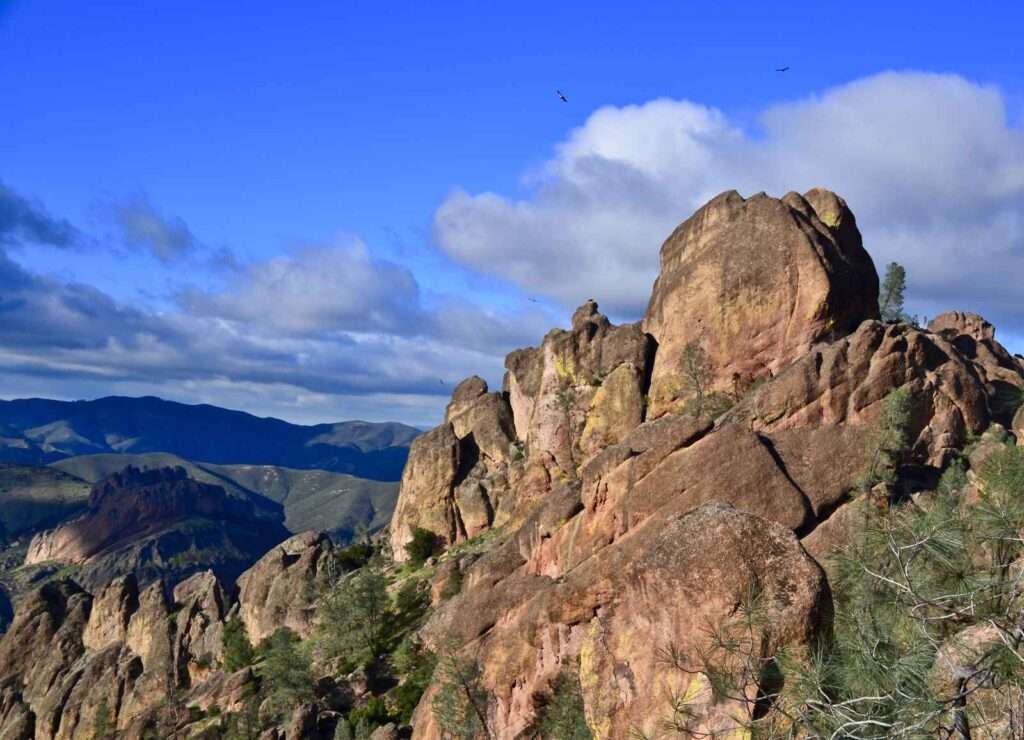
Pinnacles is the newest park in California and one of the least understood — summer temperatures push past 100°F, which is why fall through spring is the actual season here. The draw is the talus caves, two networks of boulder-choked passages you walk through in complete darkness, plus the High Peaks trail with its carved steps and railings bolted straight into the rock. The park is also the best place in the country to see California condors in the wild, with a resident flock that rides thermals over the High Peaks most afternoons.
What to Pack for Pinnacles National Park
- Rechargeable high-lumen flashlights, two-pack — The talus caves are genuinely pitch black, making this required equipment rather than a nice extra.
- Filtered water bottle — There is no water on the High Peaks loop, so refill at the campground and stop worrying about it.
- Wide-brim sun hat with neck flap — The chaparral offers essentially zero shade between the caves, even in October.
3 More Essentials for Fall Park Trips
- Waterproof orienteering compass — Cell service disappears fast in places like Voyageurs and North Cascades, and a physical compass backs up a phone that can die or lose signal.
- Oversized fleece-lined hoodie — October evenings at elevation drop fast, and this layers over a t-shirt at the campsite without needing a full jacket.
- Folding pocket camping knife — Handles everything from slicing fruit at Capitol Reef’s orchards to prepping dinner at a Lassen campsite, and it folds small enough to live in a pack pocket.
Final Thoughts
The common thread across these ten is distance — most sit hours from a major airport, and that single fact does more to keep crowds down than any reservation system. Fall stacks a second advantage on top: color, cool temperatures, and campgrounds that go from half-full to nearly empty the week after Labor Day. Check road and fire status before you go, since several of these parks have had a rough couple of seasons, and take a look at our camping must-haves list before you start loading the car.