


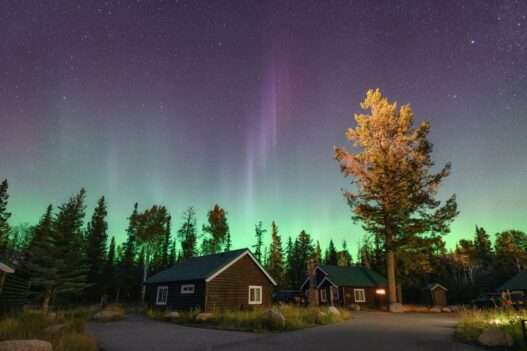
If you’re chasing the 15 Best Places to See the Northern Lights in the USA, think like a photographer: dark sky + northern latitude + real-time forecasts. Alaska delivers the most consistent season (usually late August through late April), while the Lower 48 rewards you during strong geomagnetic storms—especially around September–October and February–March when nights are long and weather can cooperate. Your best odds are typically 10:00 p.m. to 2:00 a.m. when the sky is fully dark and activity often peaks.
Before you drive anywhere, check NOAA’s Aurora Forecast and Alaska’s super-handy Geophysical Institute Aurora Forecast so you’re not guessing in the cold.
1. Fairbanks, Alaska
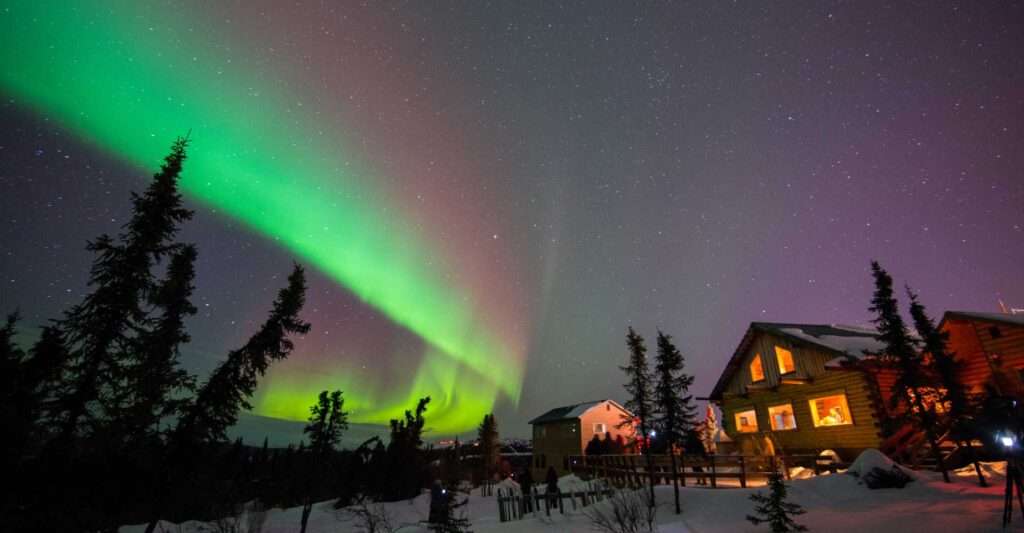
When you want an aurora trip that feels almost “designed” for the Northern Lights, Fairbanks is the obvious starting point. It sits in Alaska’s interior, where winter nights are long, skies can be crystal-clear, and you can escape light pollution fast once you leave town. Aim for September through March for the longest darkness and the most consistent viewing rhythm. Dress for real cold, bring a thermos, and plan to stay out longer than you think—auroras love to arrive right after you’re tempted to give up.

Disclaimer: As an Amazon Associate, We earn commission from qualifying purchases.
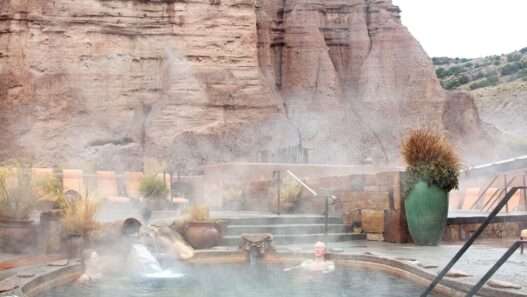
2. Chena Hot Springs, Alaska
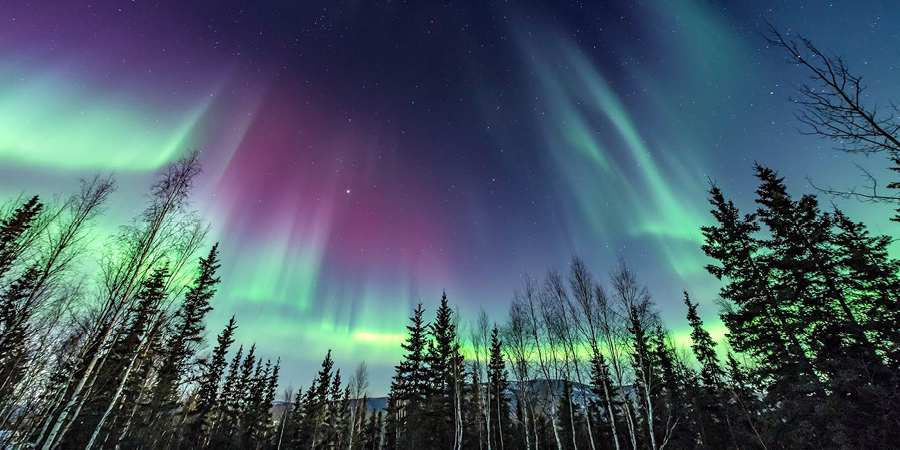
There’s something unreal about watching the sky move while steam rises around you, and Chena Hot Springs is built for that kind of night. Located about 60 miles from Fairbanks, it’s far enough from city glow to make the aurora feel bigger and brighter. The prime window is still late August to April, but winter nights often feel the most dramatic because the darkness lasts so long. Even if the lights take their time, the setting makes the wait feel like part of the experience.
READ MORE
- 16 Chic Winter Outfit Ideas 2026
- 10 Best Ski Towns in the USA for Winter Vacations
- 12 Hot Springs That Can Heal Your Mind, Body and Soul
3. Denali National Park, Alaska
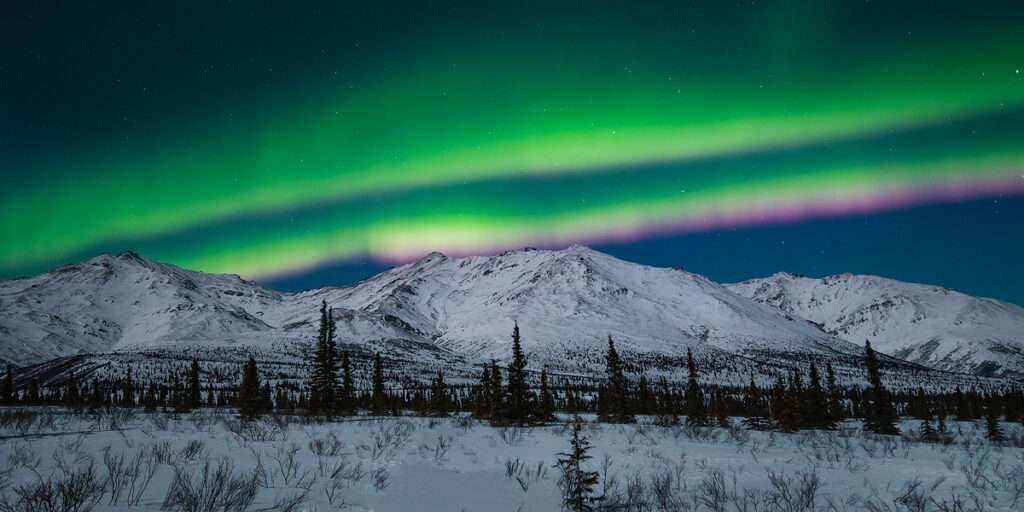
If you want wilderness scale with your aurora, point yourself toward Denali National Park and let the darkness do the heavy lifting. The park’s wide horizons and minimal light pollution can make even modest auroras look bold. The season overlaps nicely with interior Alaska—September to April is your safest bet for true night skies. Pair it with a clear forecast and you’ll get that rare feeling of silence plus movement overhead, like the sky is breathing.
Disclaimer: As an Amazon Associate, We earn commission from qualifying purchases.
4. Gates of the Arctic National Park, Alaska
For the purest “no lights except the sky” experience, Gates of the Arctic National Park is as remote as it gets in the United States. This is true Arctic wilderness, where darkness and latitude stack the odds heavily in your favor during winter and early spring. It’s not a casual pop-in destination—logistics matter here—so plan carefully and prioritize safety. But if you’re the kind of traveler who wants the aurora without any human glow on the horizon, this is the dream.
5. Nome, Alaska
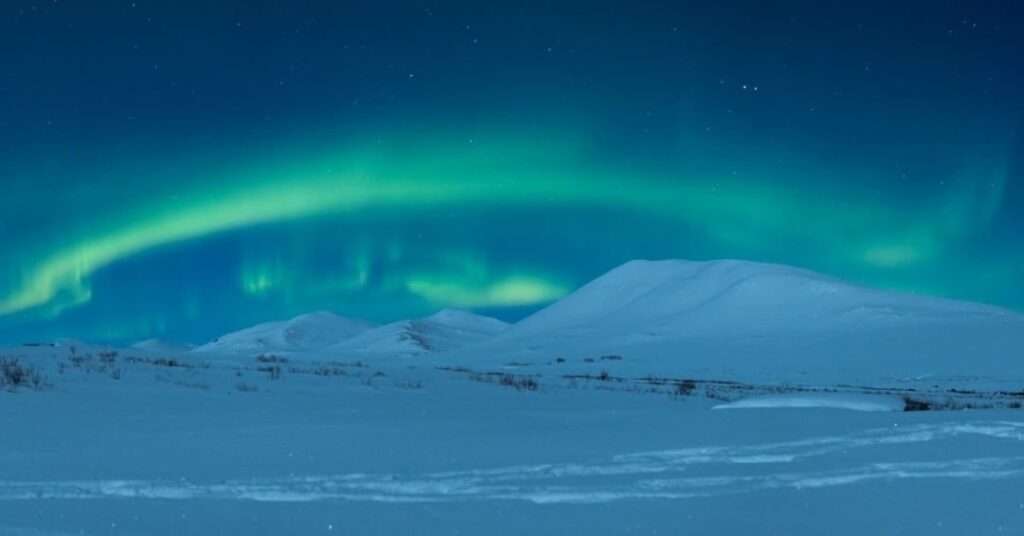
Out on the Bering Sea side of Alaska, Nome mixes Gold Rush history with huge, open skies that can make auroras feel close. The best viewing is typically September through March, when nights are long and the coastline gets properly dark. You’ll want to get away from town lights and face north over open terrain for the cleanest view. When it hits, it feels like the edge of the continent is hosting its own private light show.

Disclaimer: As an Amazon Associate, We earn commission from qualifying purchases.
6. Utqiaġvik, Alaska
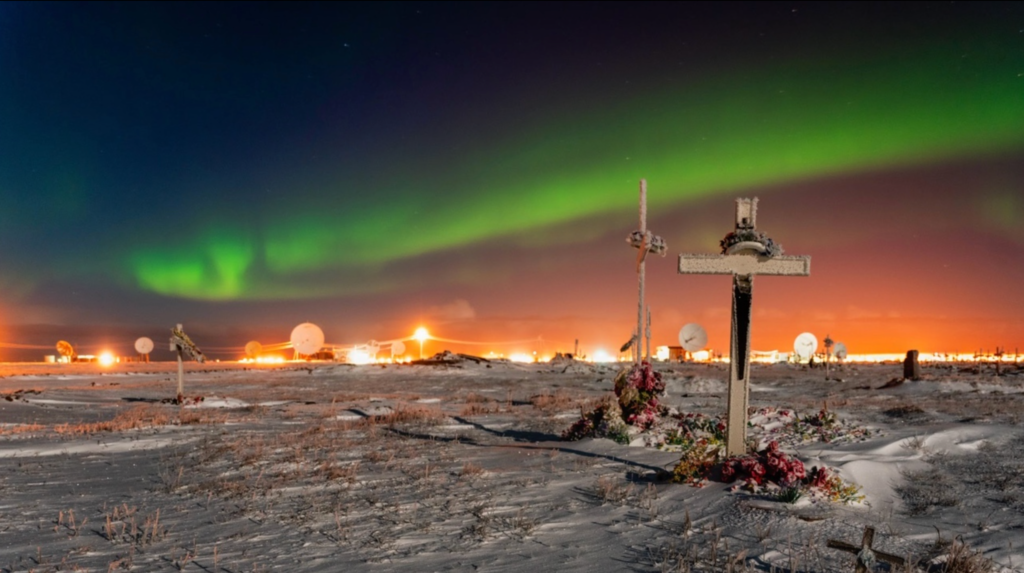
If you want the “as far north as it gets” storyline, Utqiaġvik sits on the Arctic Ocean as the northernmost community in the U.S. The long polar darkness in late fall and winter creates serious aurora potential, assuming clouds cooperate. This is a place where timing and weather matter more than anything, so check forecasts obsessively and be flexible. When the lights show up here, it feels less like tourism and more like witnessing the planet’s extremes.
7. Voyageurs National Park, Minnesota
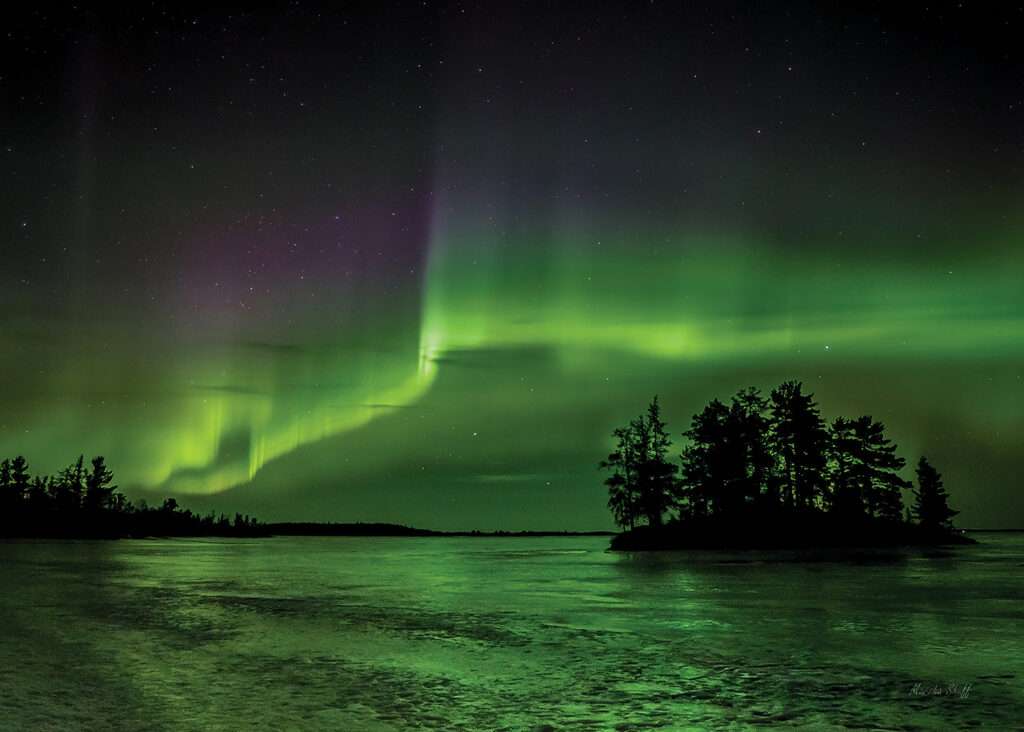
Water and sky are a perfect combo for aurora reflections, and Voyageurs National Park is built around that kind of magic. In September–October and February–March, the park’s dark lakes and northern location give you a real shot during strong solar activity. Find a shoreline with a wide northern view and let your eyes adjust for at least 20–30 minutes. If the aurora pops, you’ll see it double—once in the sky, and once rippling across the water.
8. Boundary Waters Canoe Area Wilderness, Minnesota
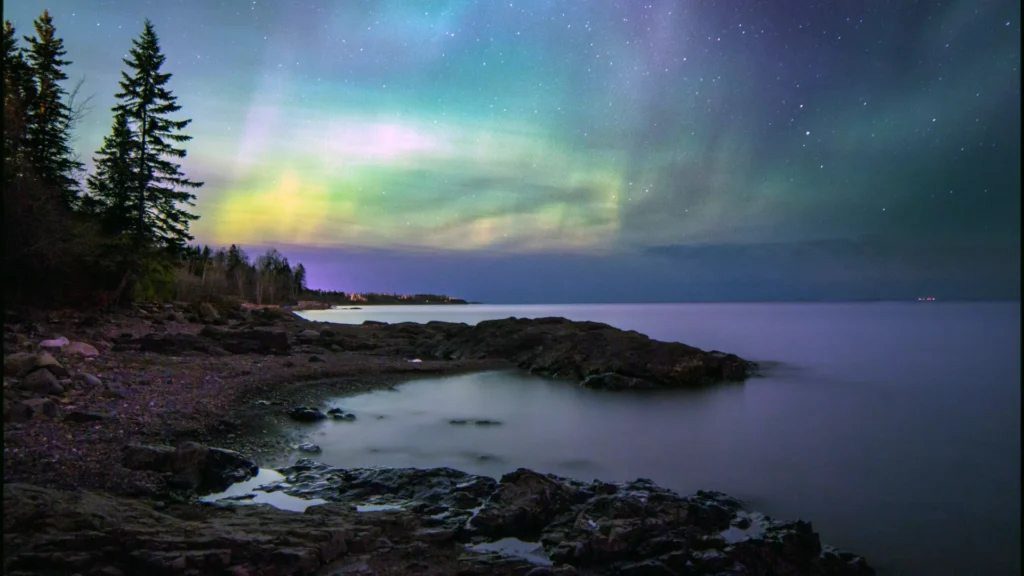
If you’re willing to go quiet and remote, Boundary Waters Canoe Area Wilderness offers some of the darkest skies in the Midwest. The best odds are during clear, cold nights in late fall through early spring, when air is crisp and darkness comes early. Even on moderate aurora nights, the lack of light pollution can make faint green arcs visible. Camp responsibly, plan for safety, and you might get a sky so bright it feels like it’s trying to tell you something.
Disclaimer: As an Amazon Associate, We earn commission from qualifying purchases.
9. Isle Royale National Park, Michigan
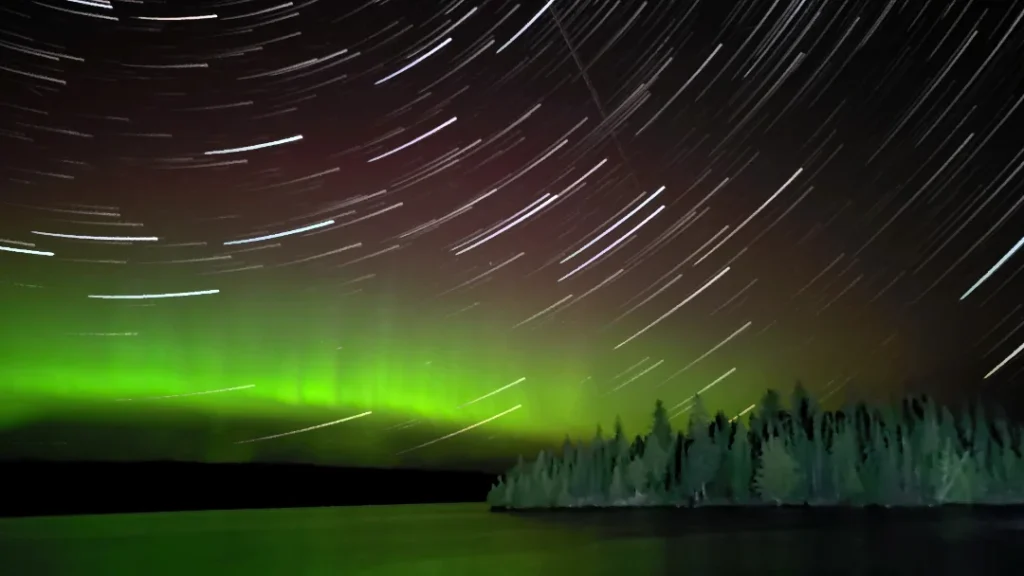
Floating in Lake Superior, Isle Royale is the kind of place where darkness feels absolute. The aurora can appear here during strong events, especially in September and early spring, when nights are long and skies can be clear. Because you’re surrounded by water, horizons open up in every direction, which helps you catch subtle movement early. It’s remote, it’s quiet, and when the lights show, it feels like the island is the only audience.
10. Keweenaw Peninsula, Michigan
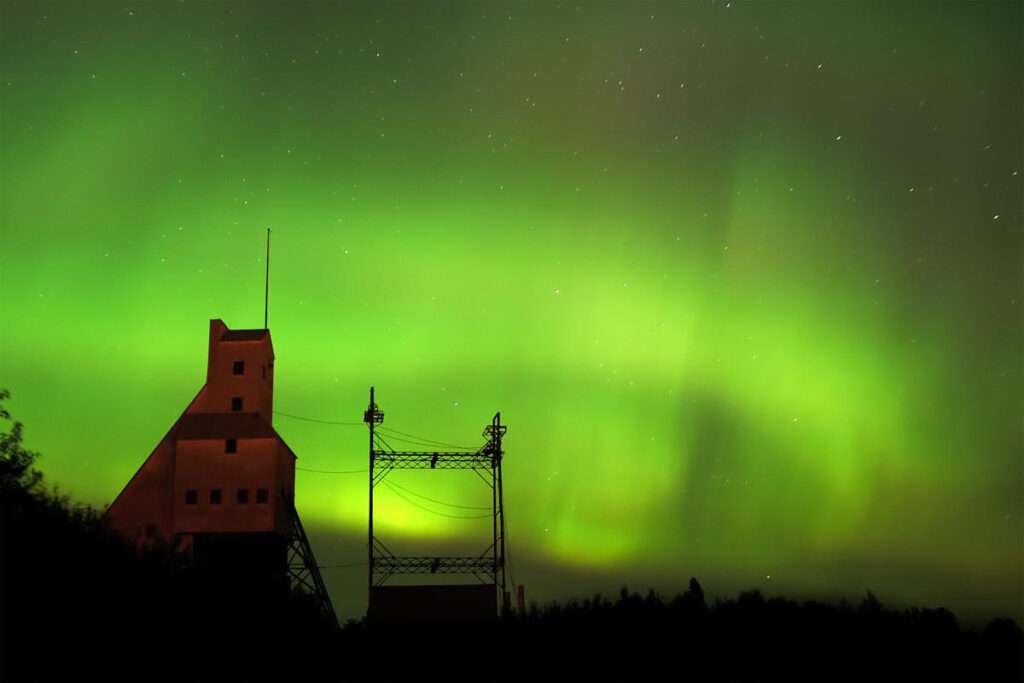
If you want aurora potential without leaving the mainland, the Keweenaw Peninsula reaches far into Lake Superior and earns surprisingly dark skies. The best nights are usually fall and winter, when darkness comes early and the lake horizon stays wide open to the north. Drive away from town lights, find a shoreline pull-off, and give your eyes time to adapt. It’s one of those places where the sky can suddenly go from “nothing” to “how is this real?”
11. Glacier National Park, Montana
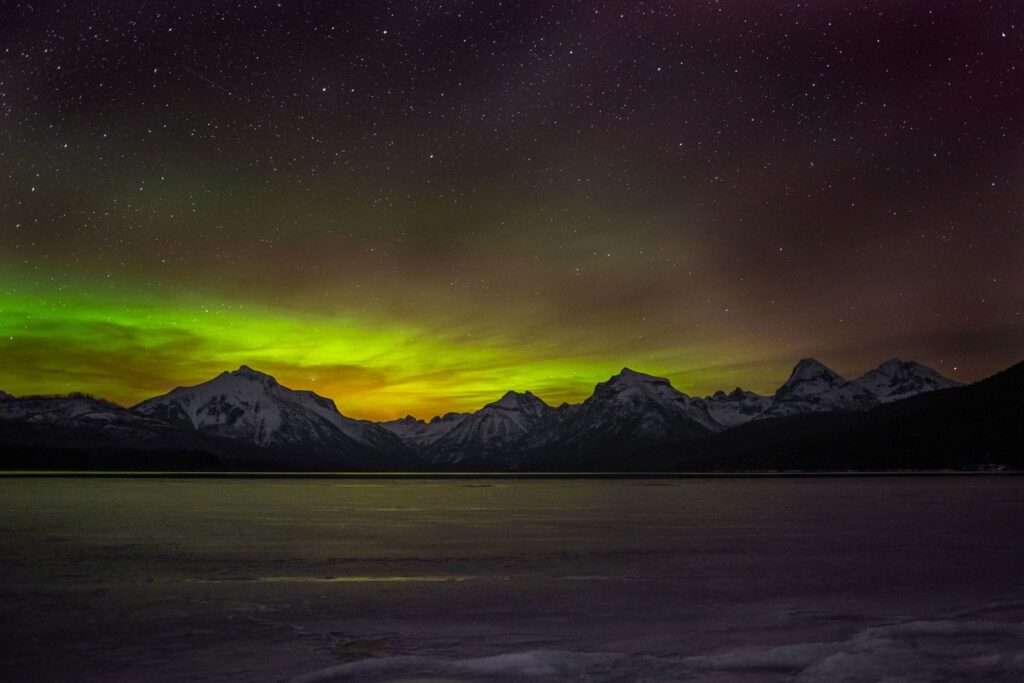
Big mountains under a moving sky is a serious combination, and Glacier National Park can deliver it on the right night. The aurora here is more “storm dependent” than Alaska, but during strong activity in September–October or February–March, it can be spectacular. Pick a dark viewpoint with a northern opening and keep your camera ready for long exposures. When green curtains sweep above those peaks, it looks like the wilderness is being lit from the inside.
12. Whitefish, Montana
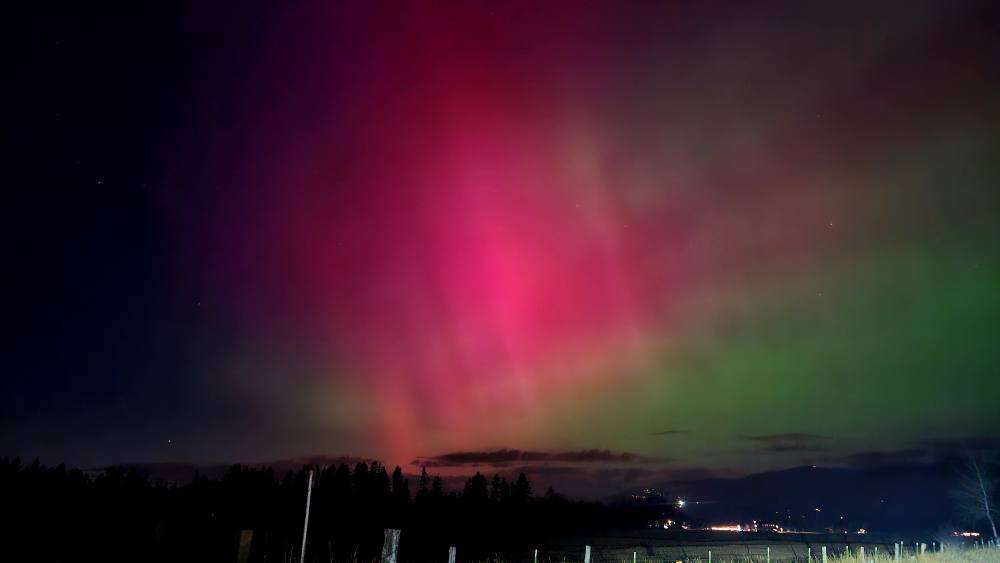
Base yourself in a fun winter town and chase the sky from nearby dark pullouts—Whitefish is great for that. You’ve got easy access to northern Montana darkness, plus the flexibility to drive toward clearer skies if clouds roll in. The most reliable months are typically late fall through early spring, when nights are long and cold air can sharpen visibility. It’s the kind of trip where you ski or explore by day, then step outside at night and hope the sky decides to reward you.
13. Theodore Roosevelt National Park, North Dakota
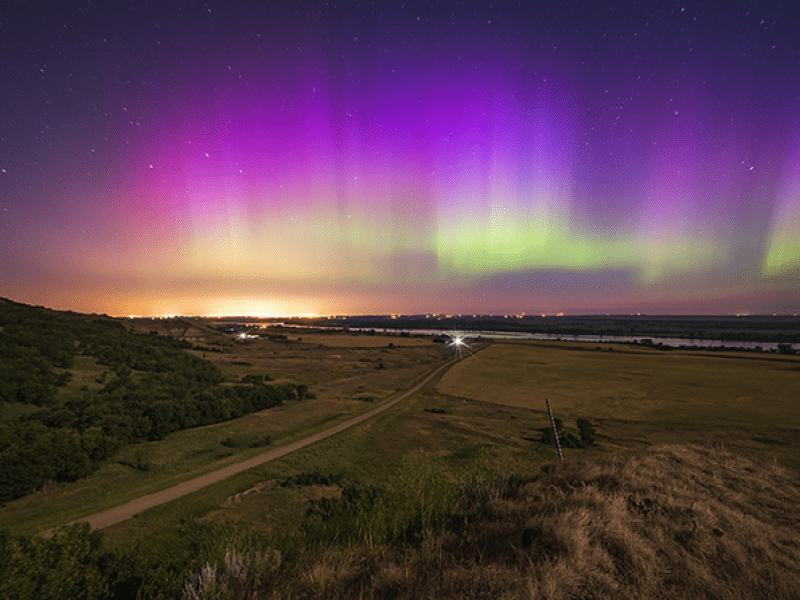
For wide-open skies and minimal light pollution, Theodore Roosevelt National Park is one of the best aurora bets in the Great Plains. The park’s open badlands horizons make it easier to spot faint auroral bands before they intensify. Try September or March during strong activity, and avoid moonlit nights if you want the most contrast. When it happens, those rolling silhouettes turn the whole scene into a quiet western film—only the sky is the star.
14. North Cascades National Park, Washington
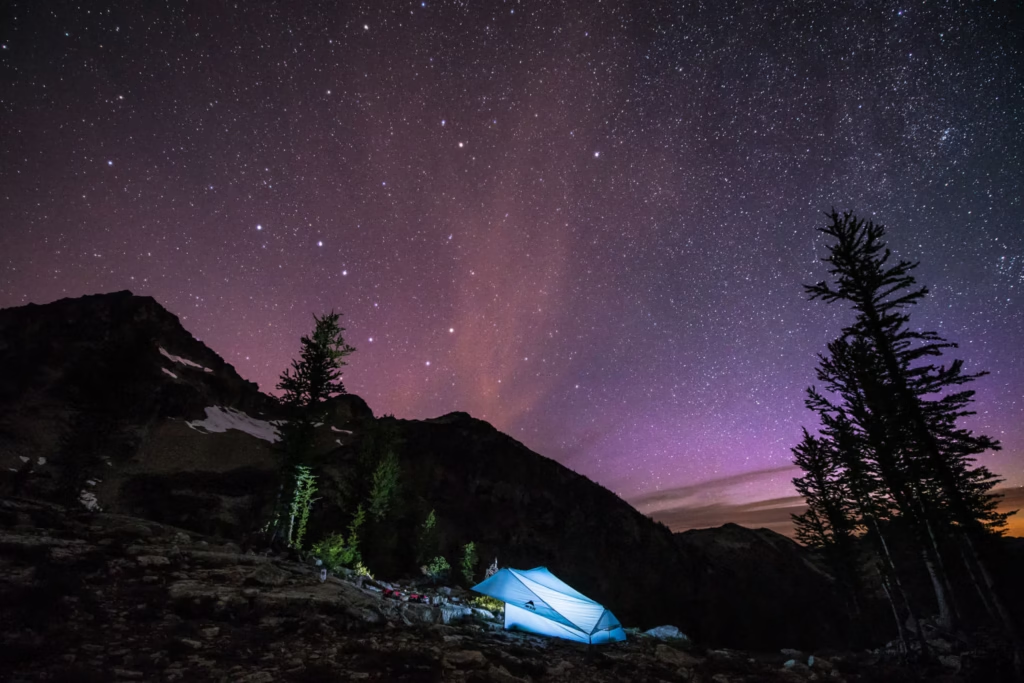
Washington auroras are never guaranteed, but when a big geomagnetic event reaches this latitude, North Cascades National Park can feel like a secret win. The key here is clear weather—mountain cloud cover is the main enemy—so watch forecasts and be willing to pivot to a clearer valley. Best chances usually align with fall and early spring, when nights are longer and conditions can stabilize. If you catch a green glow above jagged peaks, it’s the kind of memory that sticks for years.
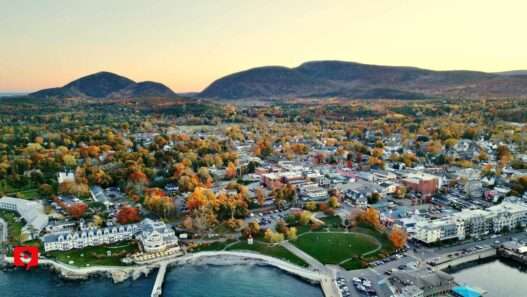
15. Acadia National Park, Maine
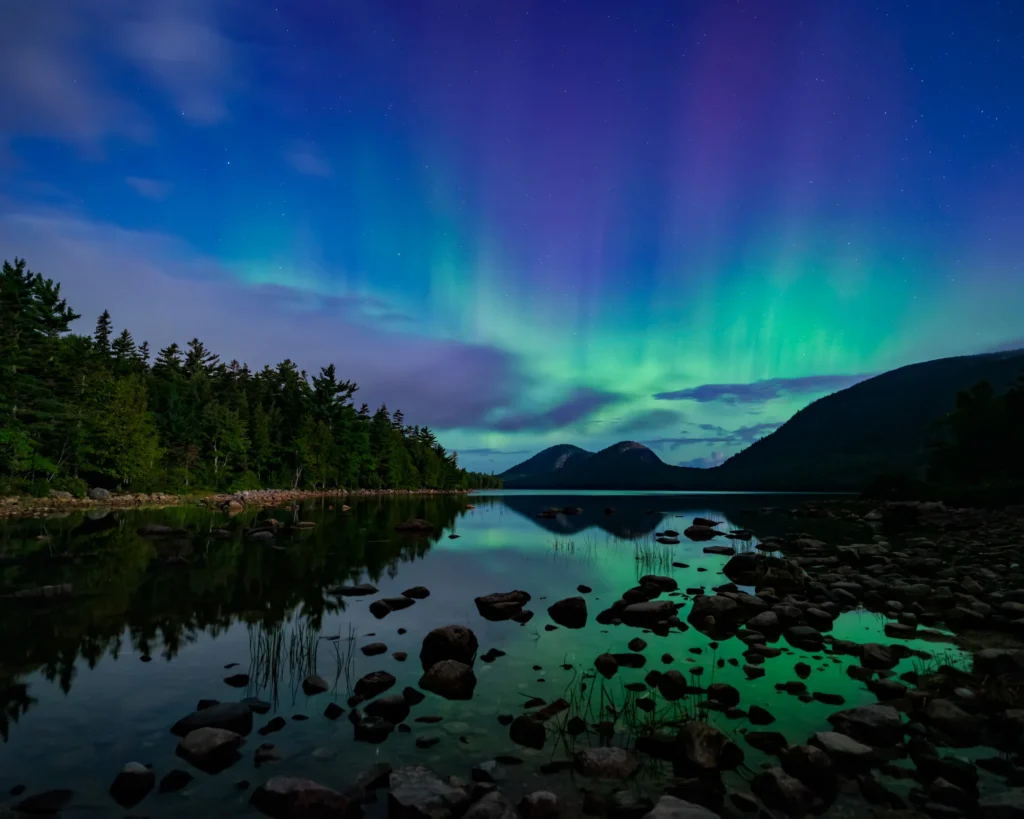
On the far northeastern edge of the country, Acadia National Park can surprise you during major aurora events that push visibility deep into the Lower 48. Coastal horizons help, and darker corners of the park can make faint auroras easier to notice than you’d expect. Aim for September–October or February–March, and keep expectations realistic—this is a “right night, right storm” destination. But when the sky turns green over the Atlantic, it feels like Maine is borrowing a piece of the Arctic for a few hours.