






If your goal for best caribbean islands to retire in 2026 is simple—warm weather, lower monthly bills, and a slower life that still feels safe and livable—the islands below are the ones to watch. The trick is knowing where on each island to settle, because a beachside tourist strip can double your rent overnight.
In every section, I’ll keep it real about the biggest expenses—housing, groceries, utilities, healthcare, and transportation—so you can budget without guessing. And since 2026 travel costs can swing fast, the best plan is picking an island where you can live comfortably even when prices spike in high season.
Dominican Republic (Samaná / Las Terrenas area)
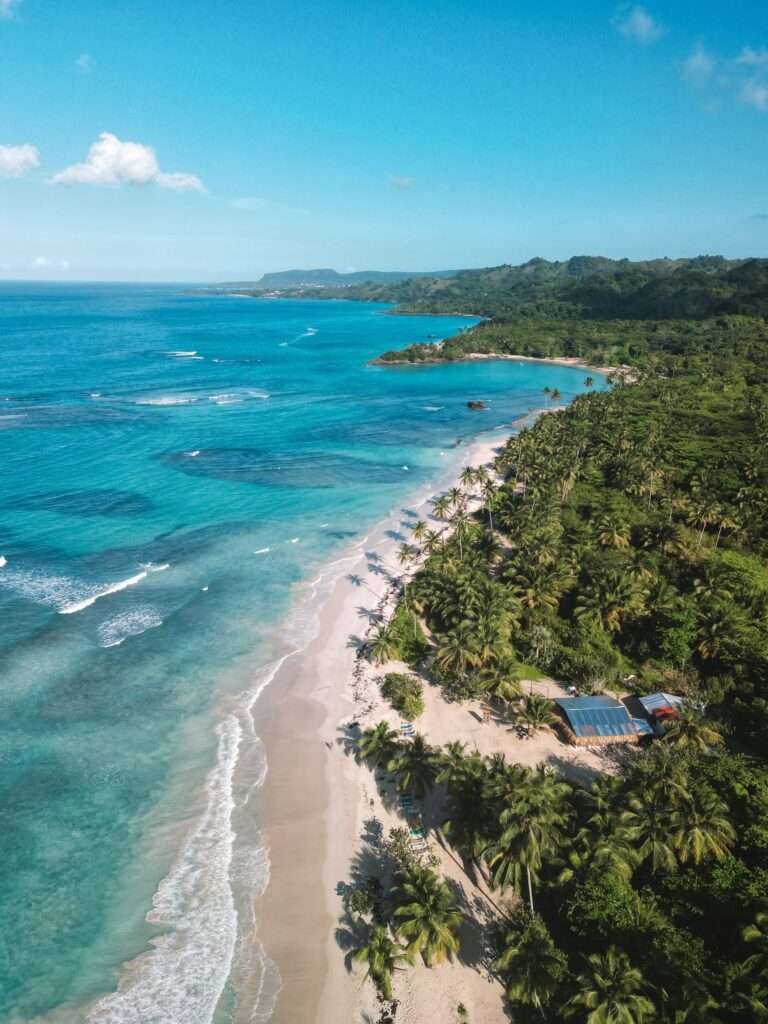
If you want “Caribbean retirement” without luxury-island pricing, the Dominican Republic is usually the first place budget-minded retirees land. The biggest savings tend to come from rent and local food—shopping at mercados and eating Dominican staples can keep your monthly spending surprisingly steady, while imported groceries raise the total fast. Aim for a walkable town where you don’t need a car, because gas, repairs, and insurance can quietly become your largest “extra” expense. Budget-wise, many retirees plan around a mid-range monthly lifestyle rather than ultra-cheap living so you can afford private clinics, backup power, and a safer neighborhood if needed.
READ MORE: Top 10 Caribbean Islands to Visit


Disclaimer: As an Amazon Associate, We earn commission from qualifying purchases.
Roatán (Bay Islands, Honduras)
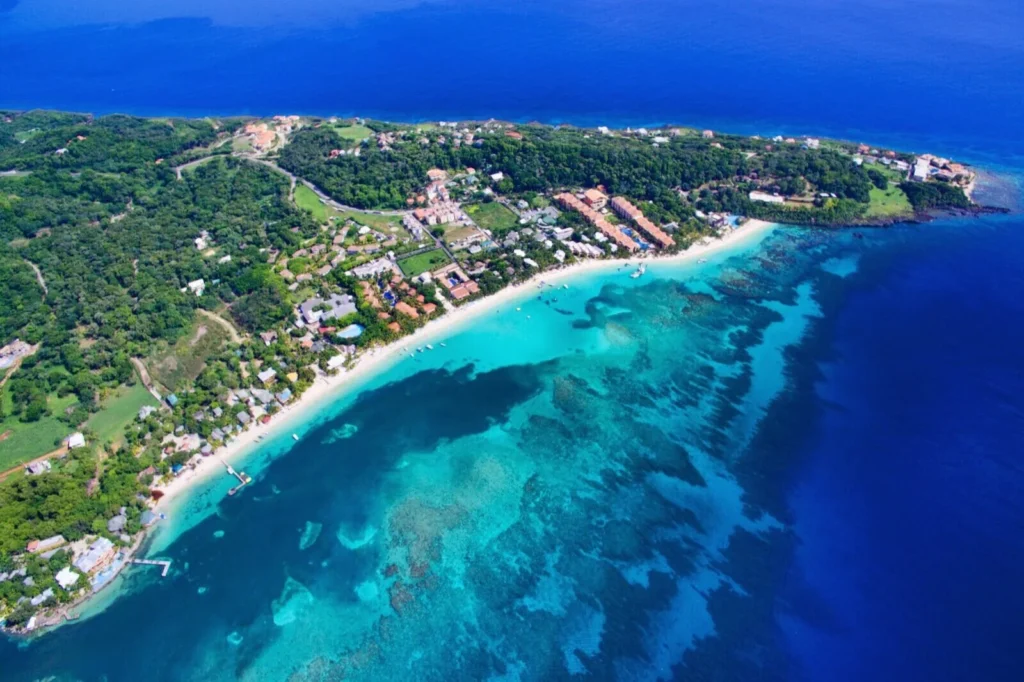
Roatán feels like a dive-island paradise, but it can also be a smart “small island” retirement if you choose your neighborhood carefully and keep expectations realistic about healthcare. Life gets cheaper when you live a few minutes inland instead of beachfront, cook more at home, and use scooters/taxis instead of owning a car. Your two biggest cost variables here are housing (especially furnished rentals) and imported goods, because islands often pay a premium for what arrives by boat. For major medical needs, many expats plan on traveling to larger cities or even flying out, so your budget should include a “health travel fund,” not just monthly insurance. Learn more through the Roatán Tourism Bureau as you narrow down neighborhoods.

Disclaimer: As an Amazon Associate, We earn commission from qualifying purchases.
Isla Mujeres (Mexico)
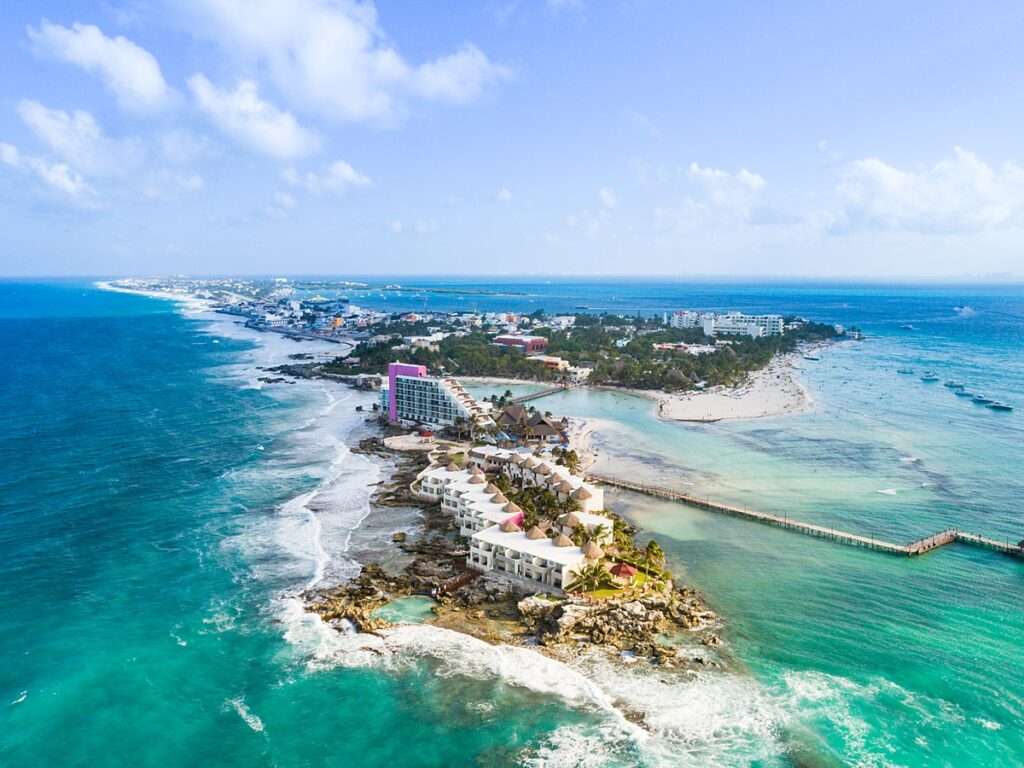
If you want Caribbean water with Mexico practicality, Isla Mujeres can be a sweet spot—especially if you’re okay living like a local, not a resort guest. Daily expenses can stay reasonable (tacos, produce, simple transport), but rent can jump quickly because island real estate is limited and demand stays high. The money-saving move is choosing a long-term rental away from the most tourist-heavy blocks, then building a routine around local markets and weekday dining specials. Healthcare access is also a plus because you’re close to the Cancun area for bigger needs, which matters a lot in retirement planning.
READ MORE: 10 Best Island Reefs Around the World
Caye Caulker (Belize)
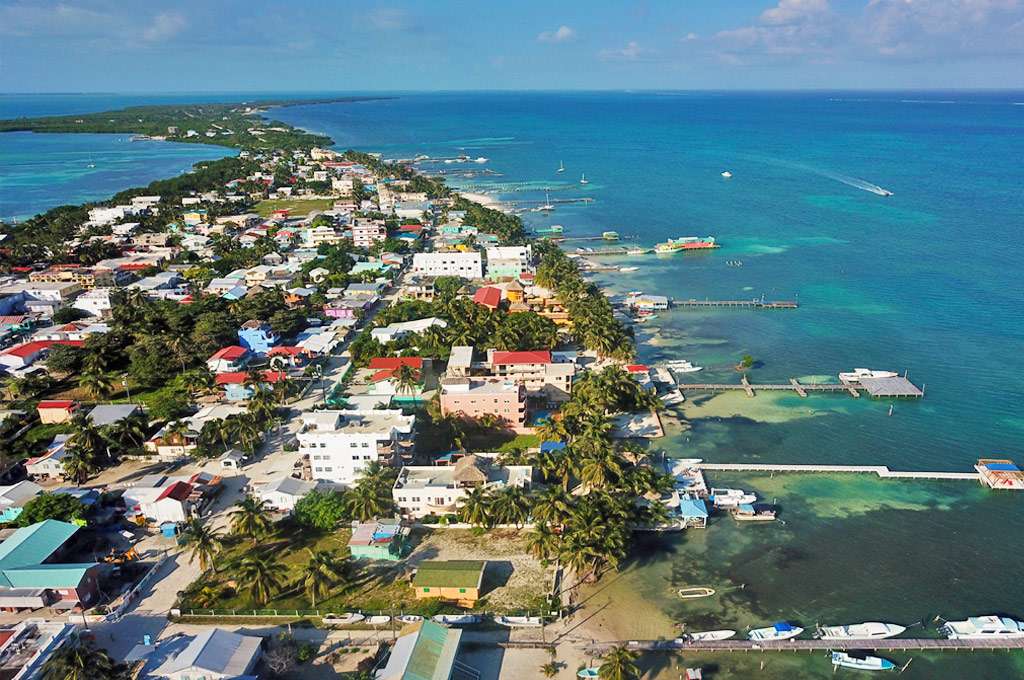
Caye Caulker is where you go when you want a tiny, low-stress island rhythm—and you’re serious about keeping life simple. Belize can be attractive for retirees because it’s English-speaking and has well-known retirement pathways, and many people keep costs down by renting modest places and avoiding constant imported shopping. Your biggest expenses here are usually rent, electricity (A/C), and “island logistics” like boats, deliveries, and pricier convenience items. If you love cooking, walking, and snorkeling instead of shopping and nightlife, this island can feel like an affordable everyday vacation—start planning with Travel Belize.

Disclaimer: As an Amazon Associate, We earn commission from qualifying purchases.
Ambergris Caye (Belize)
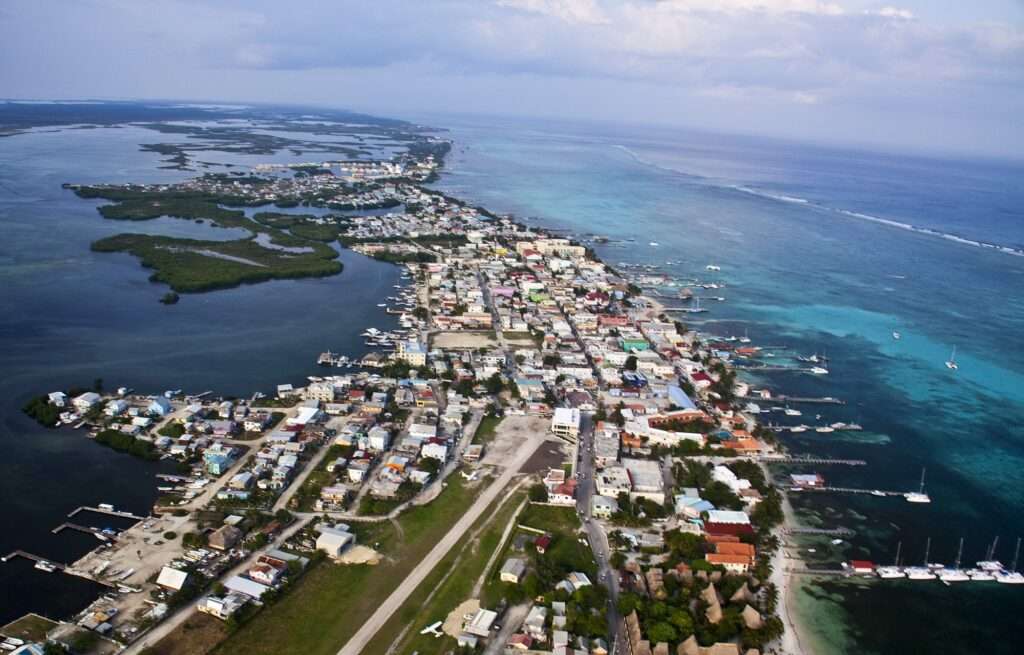
Ambergris Caye is usually pricier than Caye Caulker, but it earns its spot because you can build a “comfortable but controlled” retirement lifestyle if you avoid the most expensive beachfront zones. Think of it as a place where you budget like an islander—local restaurants, local transport, fewer imported brands—while still enjoying better amenities and services than many smaller cayes. Electricity and A/C can be a real bill shock in warmer months, so efficient housing matters more than fancy views. If you’re planning to spend time off-island each year, that can actually lower your annual costs and make Ambergris feel more sustainable long-term, and The San Pedro Sun is a useful local resource as you compare areas.
READ MORE: Top 10 Best Caribbean Beaches to Visit in 2025
Isla Colón (Bocas del Toro, Panama)
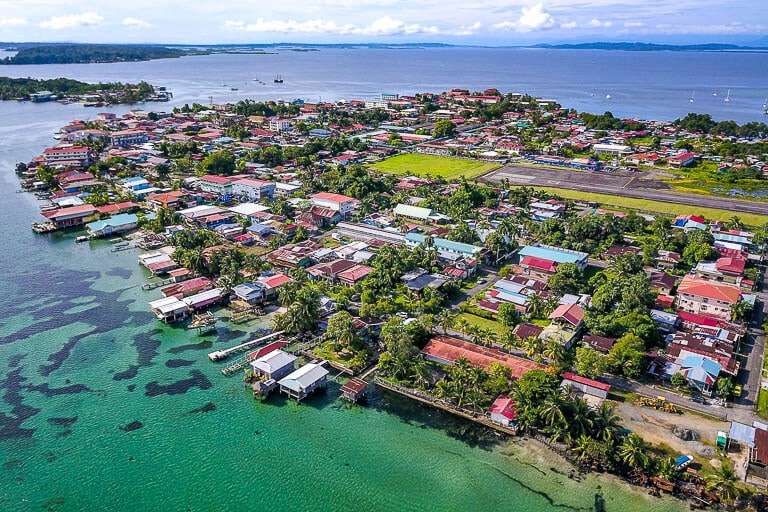
If you’ve ever wanted an island base with a “real town” feel, Bocas del Toro (especially Isla Colón) is a strong contender. The budget advantage is that you can live car-free, mix local food with occasional splurges, and choose housing based on airflow and shade to reduce A/C costs. Your main cost risks are tourist-season pricing and the temptation to treat every week like vacation—boat trips, nightlife, and island-hopping add up fast. Many retirees also like Panama for long-stay planning because the country is built around expat living in multiple regions, so you can test Bocas and still have other Panama options later.
Tobago (Trinidad & Tobago)
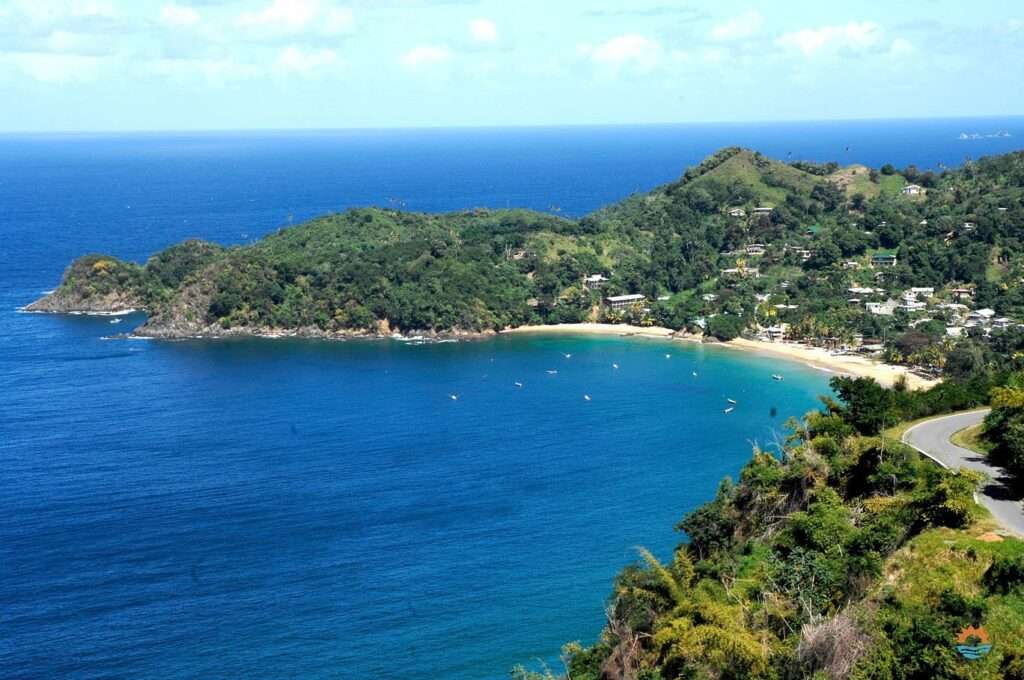
Tobago gives you beach beauty with a more “local life” vibe, but you’ll want to budget with extra awareness around safety, neighborhood choice, and housing quality. Rent and utilities can be manageable—especially compared to high-end Caribbean islands—but the real savings come from living in a normal residential area and building a routine around local groceries and public transport. I always recommend retirees price out backup power, secure doors/windows, and solid internet because those “invisible” costs affect daily comfort more than people expect. If you’re the type who enjoys culture, community, and quieter beaches over constant resort energy, Tobago can work well on a controlled budget—check updates via Visit Tobago.
Dominica
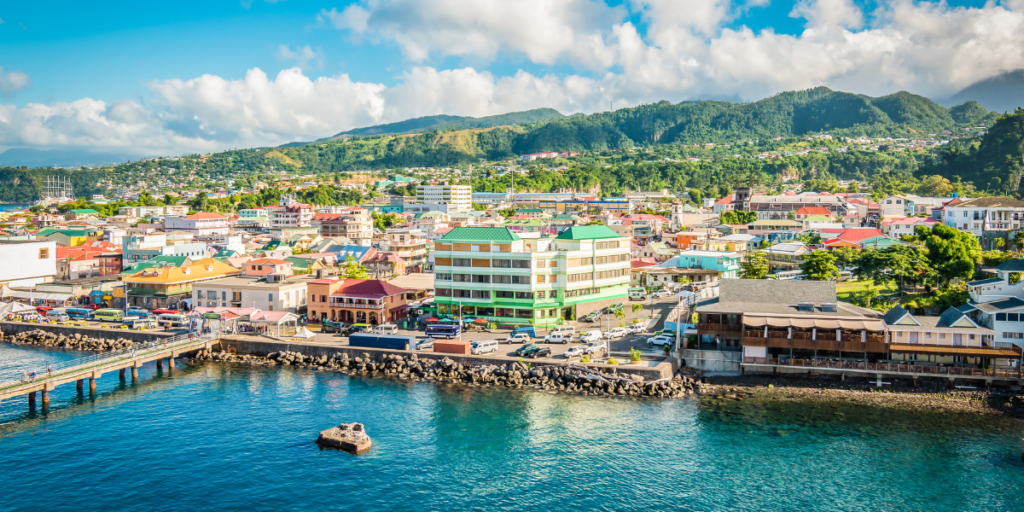
Dominica is not the flashy “all-inclusive” Caribbean—it’s a greener, calmer island that often attracts retirees who want nature, quiet, and lower pressure spending. If you live modestly, your costs tend to center around rent, groceries, and utilities, while imported items and frequent dining-out push the budget up quickly. The biggest retirement reality here is healthcare: for routine care you can manage, but many people plan to travel for specialized procedures, so build that into your long-term math. If you’re happy hiking, hot springs, and slow mornings instead of shopping and nightlife, Dominica can feel like the island version of financial peace—start with Discover Dominica.
Grenada (including Carriacou)

Grenada is a smart “value island” when you want Caribbean scenery but still care about what you’ll spend each month—especially if you’re flexible about living slightly away from the hottest beach zones. Many retirees keep costs predictable by renting long-term, cooking at home more often, and treating restaurants as a weekly pleasure instead of a daily habit. Utilities and imported groceries are the usual “gotchas,” so a breezy home (less A/C) and local shopping habits make a big difference. If you like the idea of one destination with multiple island flavors, Grenada plus Carriacou gives you options without constantly moving countries, and you can explore basics through Pure Grenada.
Curaçao
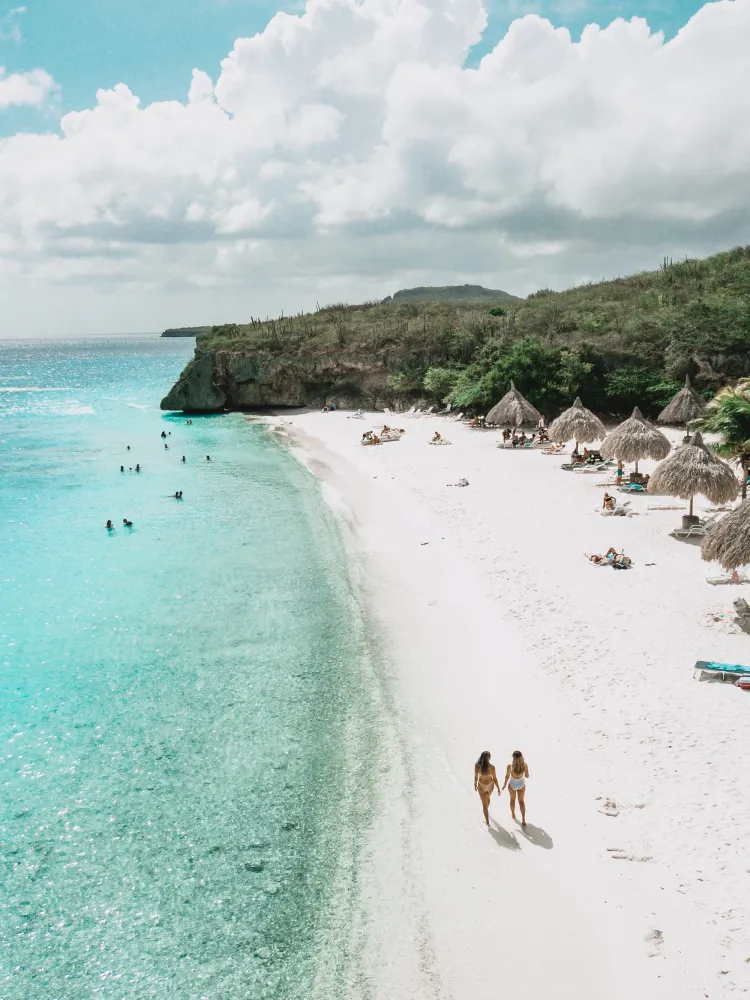
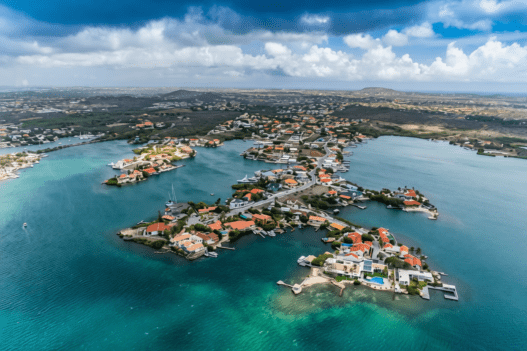
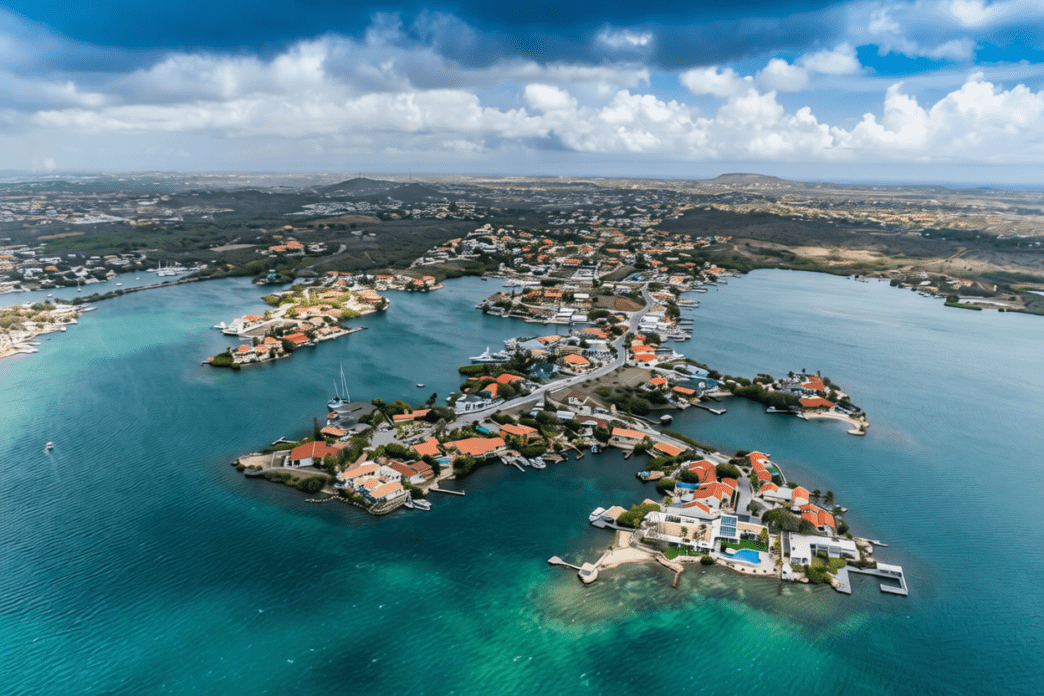
Curaçao isn’t always the absolute cheapest, but it can be a great retirement value if you prioritize infrastructure, services, and a more developed day-to-day lifestyle. Where you’ll feel costs most is in utilities and groceries—some items are pricier than people expect—so the best approach is choosing a home that stays cool naturally and learning local brands quickly. Retirees often like Curaçao because it’s easy to settle into routines: reliable amenities, solid dining, and a more “city-meets-island” rhythm. If you want fewer surprises and a clearer standard of living (even if the budget is a bit higher), Curaçao can be worth it—start here: Curaçao.
READ MORE: Top 10 Caribbean Islands to Visit
How to keep your island retirement cheap in 2026
Start by choosing a neighborhood where you can walk to groceries, pharmacies, and cafés, because car ownership quietly drains budgets on islands. Rent is usually your #1 expense—so lock in a longer lease if you can, and avoid tourist hotspots unless you’re comfortable paying tourist rates year-round. Build a “two-layer” healthcare plan: everyday coverage plus a separate fund for flights or private care if you need something serious. Finally, remember the Caribbean’s big cost seasons: winter peak travel and hurricane season (June–November)—your cheapest life is often found by renting smart, living locally, and traveling off-island during the priciest weeks.