




There’s something unforgettable about medieval monasteries: they weren’t just places of worship—they were fortresses of faith, libraries of knowledge, and safe havens built in the most dramatic landscapes Europe and the Near East could offer. From the sky-high rock towers of Thessaly, Greece, to the sacred mountains of Catalonia, Spain, these sites still feel alive with chanting, candlelight, and centuries of human devotion.
Some began as remote hermit caves in the 4th century, while others rose into grand complexes during the 14th–16th centuries, shaped by kings, empires, and invasions. If you’re chasing history you can feel under your feet, these twelve monasteries deliver it in the most cinematic way possible.
Meteora Monasteries (Great Meteoron) — Greece
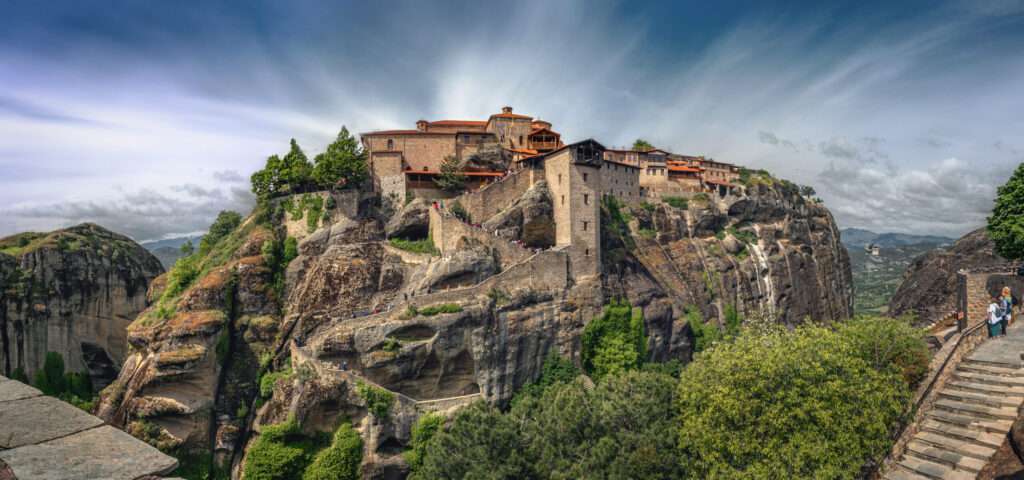
The drama of Meteora hits you fast, but the moment you step toward Meteora Monasteries (Great Meteoron), it becomes personal—stone stairs, wind, and silence hanging over Thessaly, Greece. The Great Meteoron is traditionally tied to Saint Athanasios the Meteorite and the monastic surge of the 14th century, when monks chose near-impossible cliffs for protection and solitude. Inside, you’ll find a world shaped by Orthodox devotion—frescoed chapels, relics, and courtyards that feel suspended between earth and sky. It’s not just a viewpoint stop; it’s a living reminder of how spirituality once demanded true risk.

Disclaimer: As an Amazon Associate, We earn commission from qualifying purchases.
Santa Maria de Montserrat — Spain
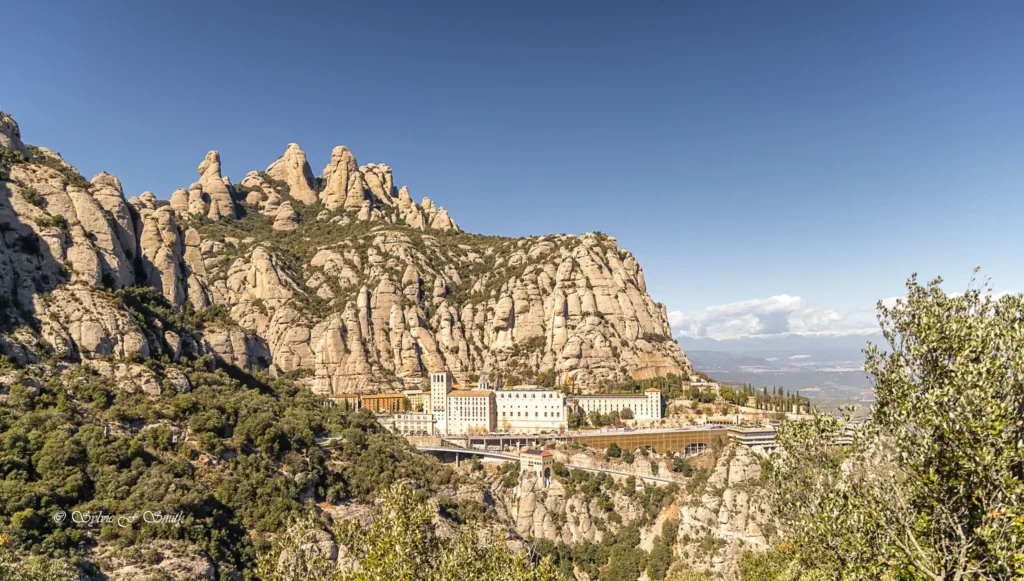
High above Catalonia, the Benedictine sanctuary of Santa Maria de Montserrat sits like a crown on the serrated mountain ridge outside Barcelona, Spain. Pilgrims come for La Moreneta (the Black Madonna), but the real magic is how the entire complex blends prayer, music, and rugged landscape into one experience. The abbey’s identity is also shaped by the famous boys’ choir, Escolania de Montserrat, which keeps sacred tradition alive through sound. Even if you arrive for a day trip, Montserrat has a way of making you slow down and listen to the mountain.
READ MORE: 10 Best Cities in the U.S. to Visit at Christmas for Lights, Snow & Festive Vibes
Jerónimos Monastery — Portugal
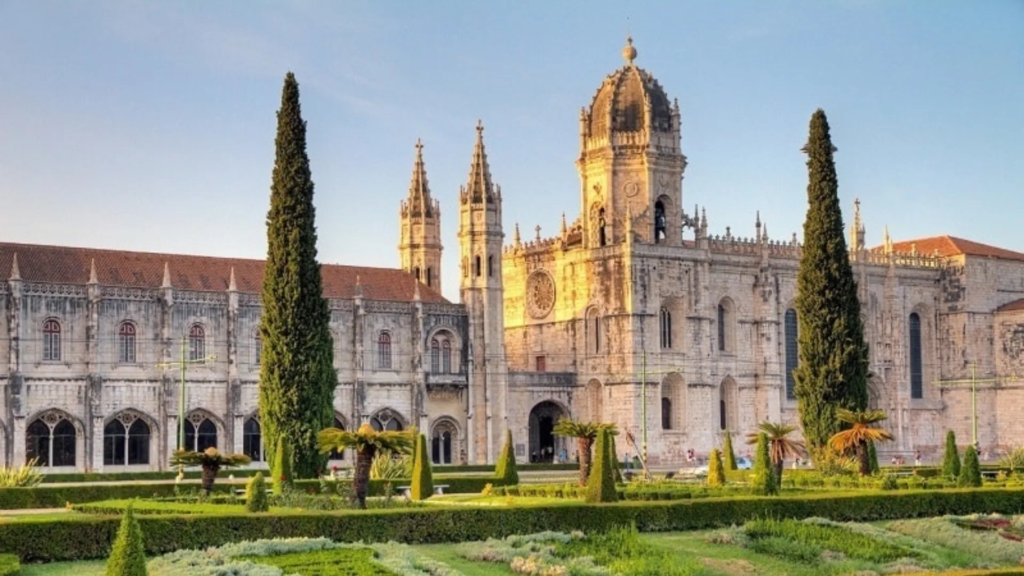
In the Belém district of Lisbon, Portugal, the story of empire is carved into stone at Jerónimos Monastery. It’s closely tied to King Manuel I and Portugal’s Age of Discoveries, when maritime power turned into architecture so ornate it feels almost unreal. The cloisters are the heart-stealer here—quiet, symmetrical, and designed to make time feel slower. Even surrounded by modern Lisbon, the monastery still carries the mood of ships departing into the unknown.

Disclaimer: As an Amazon Associate, We earn commission from qualifying purchases.
Royal Monastery of San Lorenzo de El Escorial — Spain
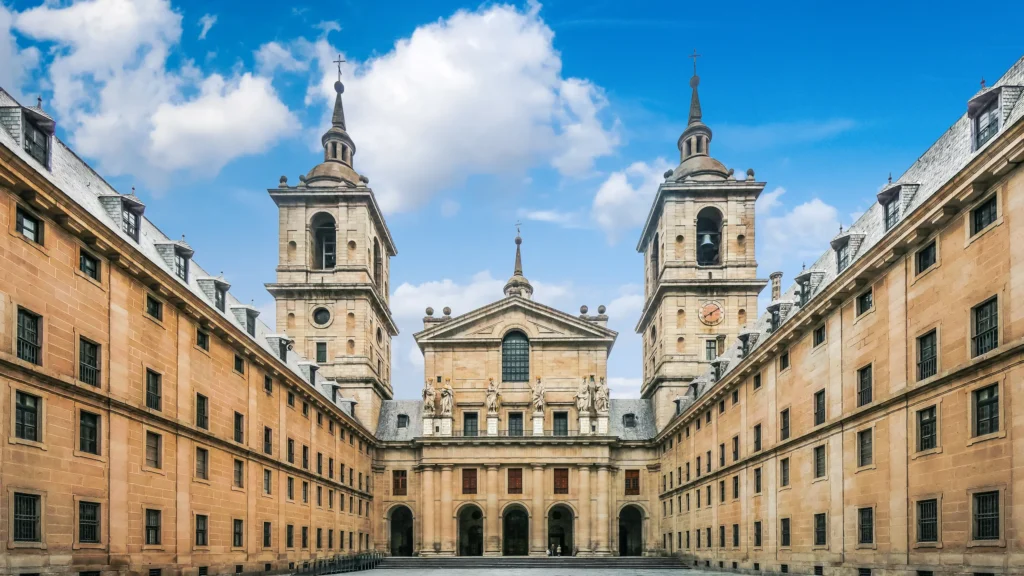
Set near Madrid, Spain, Royal Monastery of San Lorenzo de El Escorial is where faith, monarchy, and power lock together in one massive complex. Built in the late 16th century under King Philip II, it’s part monastery, part royal palace, and part statement to the world that Spain had arrived at its peak. The scale feels almost intimidating—long corridors, vast courtyards, and a basilica that anchors everything like a command center. You don’t just tour El Escorial; you walk through the mindset of an empire.
READ MORE: Top 5 Cities in the USA to Watch Fireworks
Kyiv Pechersk Lavra — Ukraine
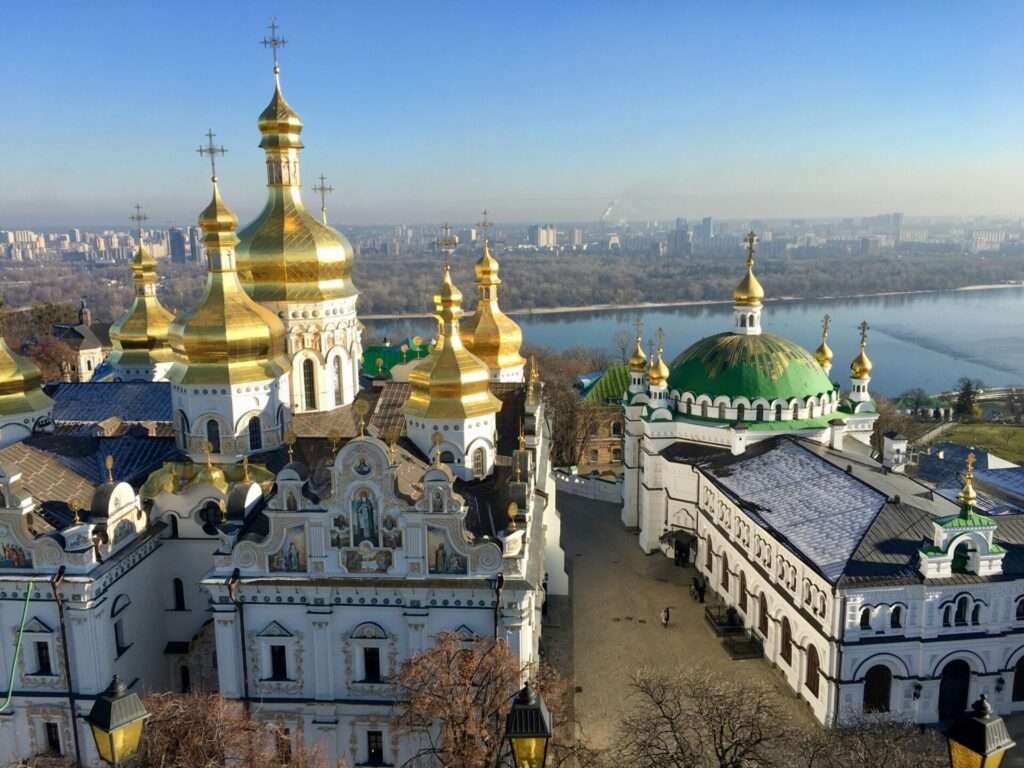
In Kyiv, Ukraine, the spiritual gravity of Kyiv Pechersk Lavra is impossible to miss—especially because the story runs underground. The Lavra is famed for its caves and monastic life dating back to the medieval era, and it stands as part of a UNESCO-listed heritage complex associated with Kyiv’s sacred architecture. Even today, it remains a symbol of endurance, identity, and devotion, carrying centuries of prayer through wars and upheavals. This isn’t a “museum-only” stop—it’s a place where history still feels present, tense, and deeply human.


Disclaimer: As an Amazon Associate, We earn commission from qualifying purchases.
Trinity Lavra of St. Sergius — Russia
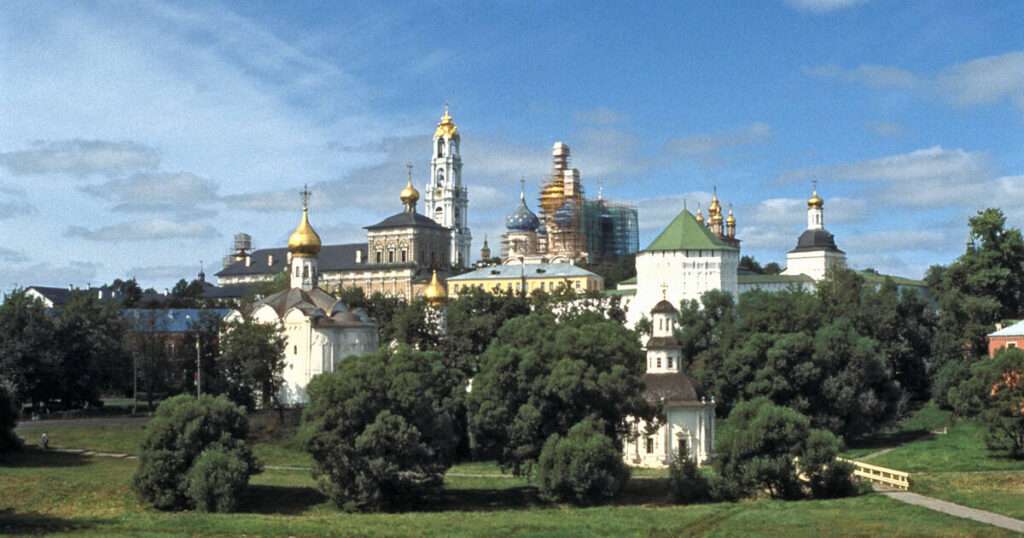
The town of Sergiev Posad, Russia holds one of Orthodoxy’s greatest centers at Trinity Lavra of St. Sergius, founded in the 14th century and closely linked to St. Sergius of Radonezh. Over time it grew into a spiritual powerhouse, drawing pilgrims, shaping Russian religious identity, and becoming a complex that’s both sacred and historically strategic. Its churches and walls feel like layers of centuries stacked together—each era leaving a different architectural signature. Visiting is like stepping into a living timeline where faith and national history constantly overlap.
READ MORE: 12 Road Trip Outfit Ideas for Women
Rila Monastery — Bulgaria
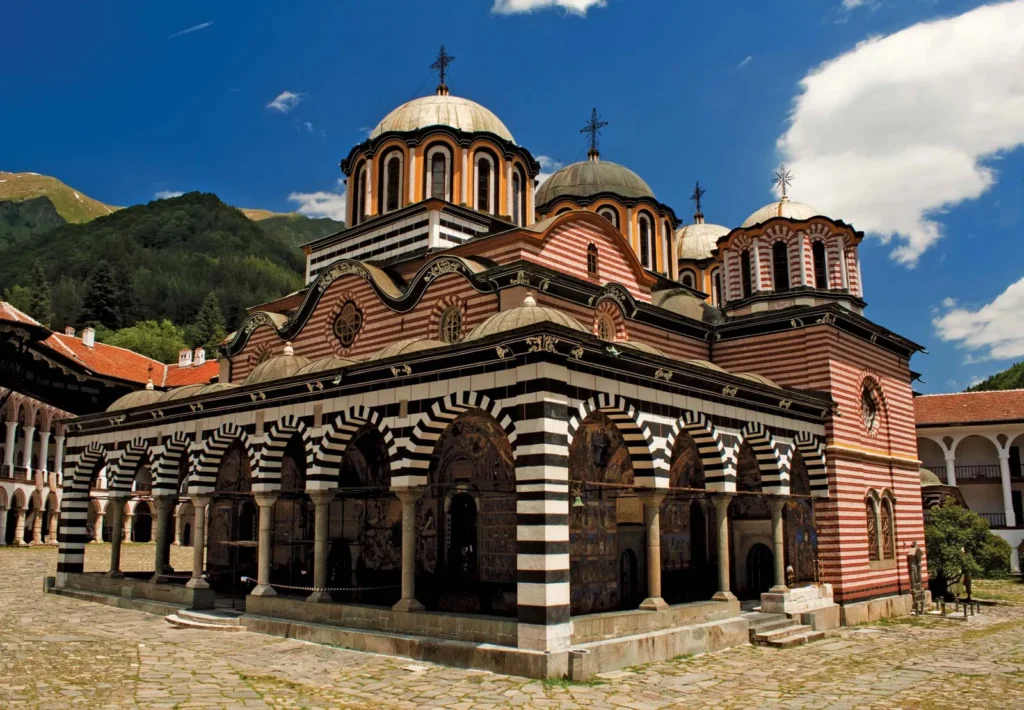
Hidden in the mountains southwest of Sofia, Bulgaria, Rila Monastery feels like a fortress built to protect the soul of a nation. It’s tied to Saint John of Rila, and it became a major spiritual and cultural anchor through centuries of upheaval, including the long Ottoman period. The courtyard scenes—striped arches, domes, and painted walls—are so vivid they almost look freshly finished, even though the story reaches back over a thousand years. Rila doesn’t just represent Bulgaria’s faith; it represents survival through time.
Melk Abbey — Austria
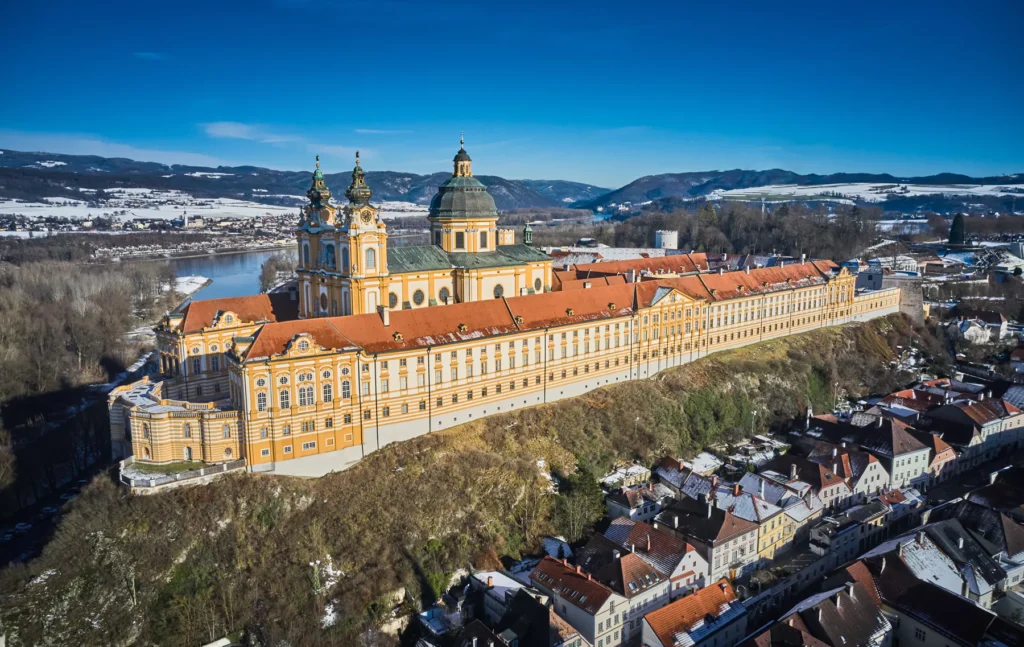
Perched above the Danube River in Melk, Austria, Melk Abbey is a masterpiece of grandeur with monastic roots stretching back to 1089. Yes, the look today is famously Baroque, but the spirit is older—Benedictine life continuing with an almost unbelievable sense of continuity. Inside, you’ll find soaring halls, a world-class library atmosphere, and views that make the Wachau Valley feel like a painted backdrop. Melk is proof that a monastery can be both a place of prayer and a bold architectural spectacle.
READ MORE: 16 Chic Winter Outfit Ideas (2026)
Novodevichy Convent — Russia
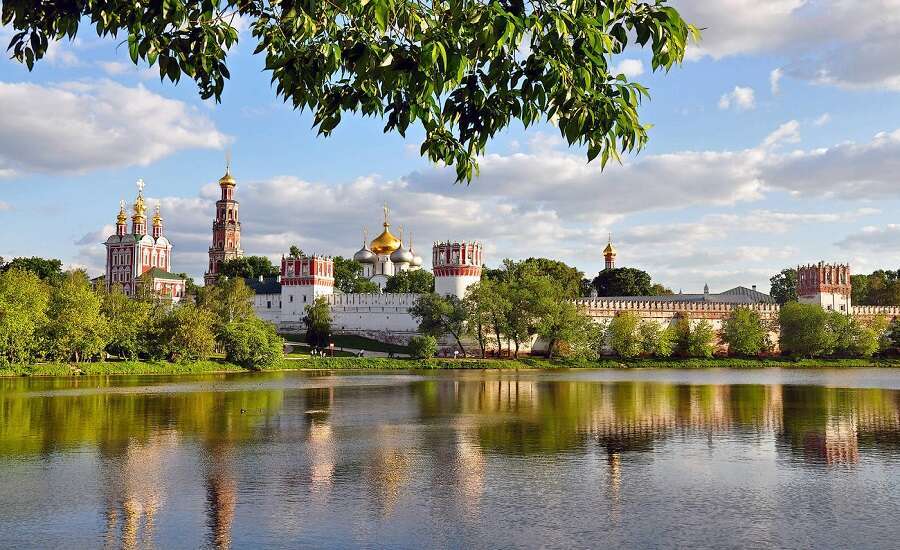
In Moscow, Russia, Novodevichy Convent carries the atmosphere of royal intrigue as much as spiritual devotion. Founded in 1524 under Vasili III, it became closely associated with noblewomen, political history, and the elite circles surrounding the Kremlin. The architecture you see today reflects the 16th–17th centuries, and the entire ensemble is recognized for its cultural value and preservation. It’s one of those places where the quiet feels loaded—as if the walls still remember secrets.
Geghard Monastery — Armenia
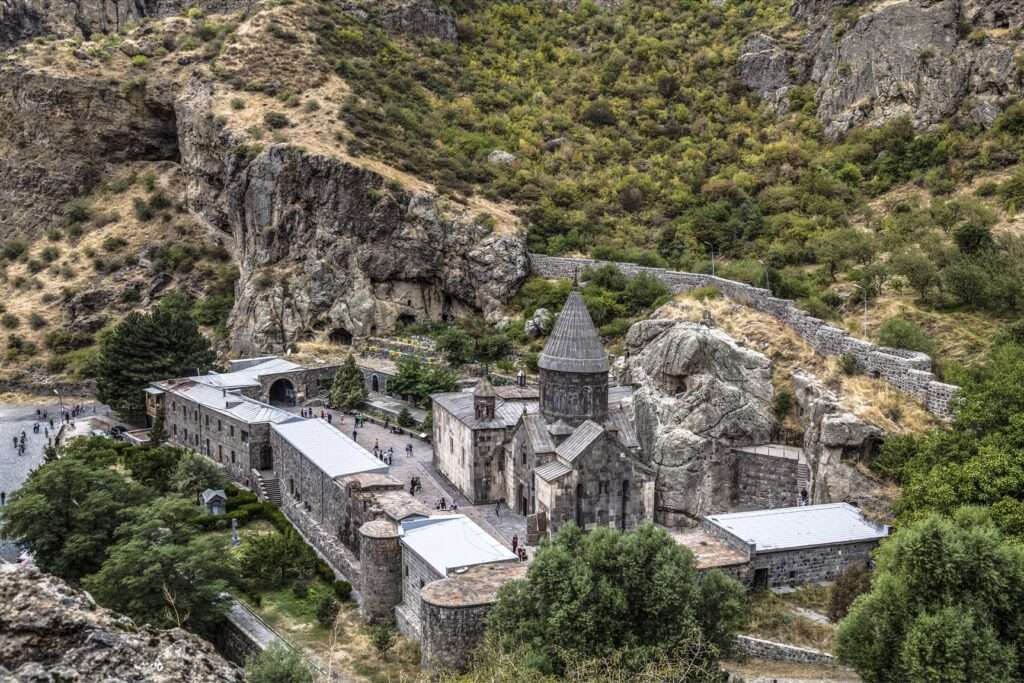
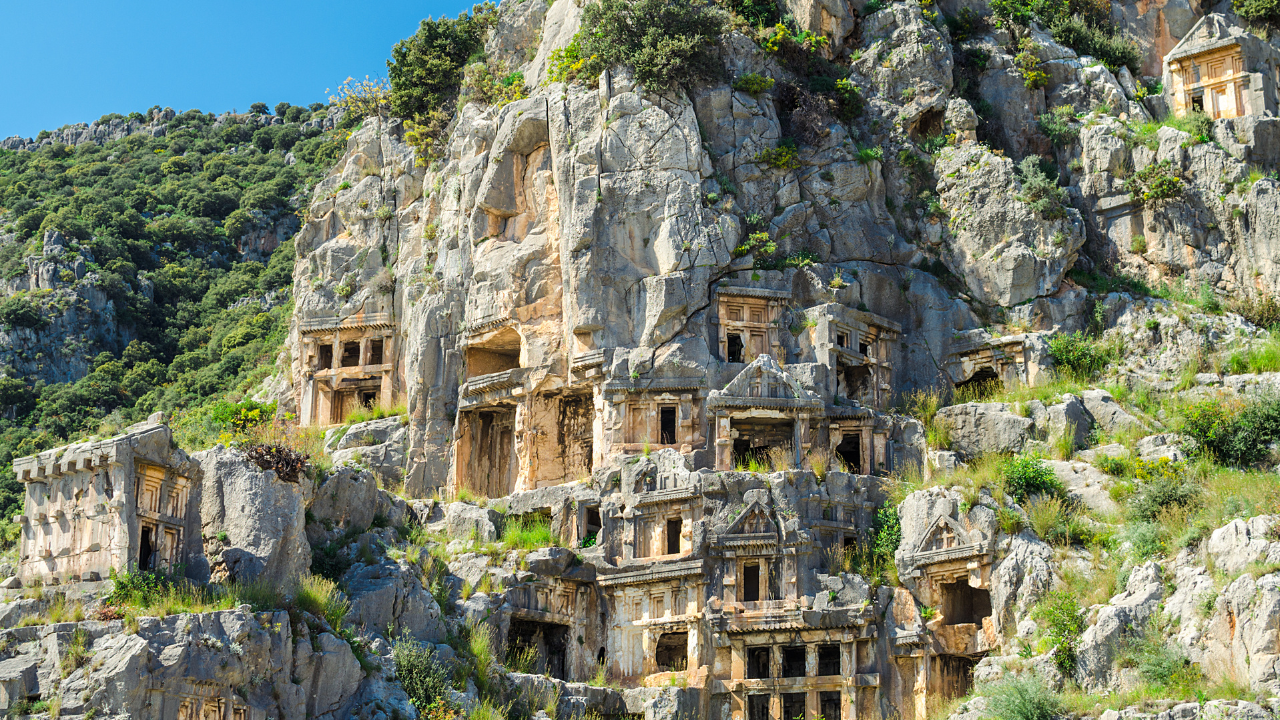
Carved into the cliffs of the Azat Valley near Goght, Armenia, Geghard Monastery feels less “built” and more “revealed,” like the mountain opened a doorway and the monks simply stepped inside. Tradition connects it to early Christian Armenia, with major structures taking shape in the medieval period, including rock-cut chambers that carry sound in a haunting, echoing way. Geghard’s identity is deeply tied to relic tradition and sacred springs, which is why it’s remained a powerful pilgrimage site for centuries. When sunlight hits the stone at the right angle, the whole place looks like it’s breathing.
READ MORE: 10 Best Cities in the U.S. to Visit at Christmas for Lights, Snow & Festive Vibes
Sümela Monastery — Türkiye
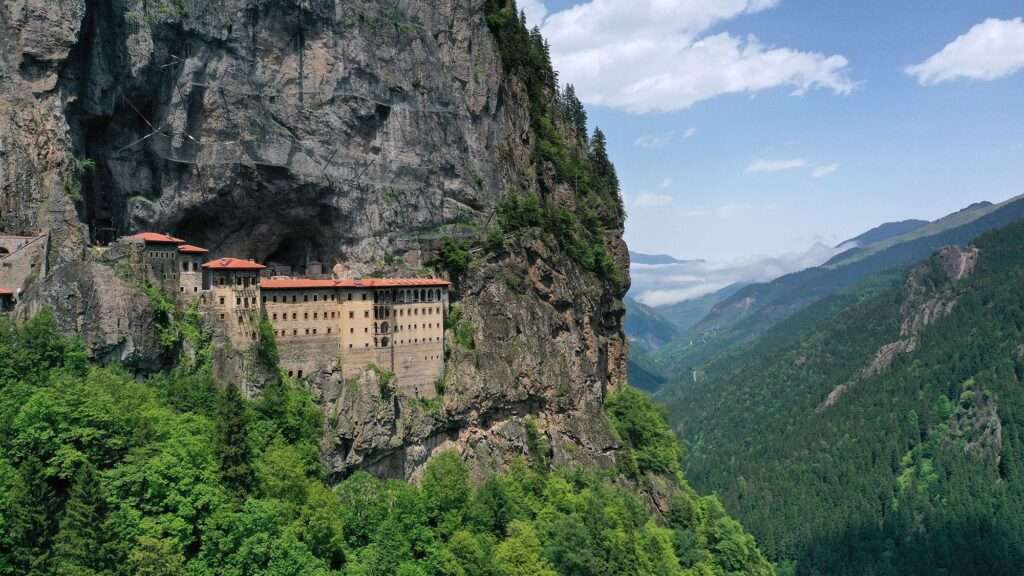
Built into a sheer cliff face in Maçka, Trabzon Province, Türkiye, Sümela Monastery looks like an eagle’s nest made of stone and prayer. The monastery is traditionally dated to late antiquity, and it became one of the most iconic Orthodox sites in the Pontic Mountains, clinging above the Altındere Valley. Frescoes, chapels, and tight passages make the visit feel like you’re exploring a sacred hideout rather than a typical monument. Even in silence, Sümela gives off the feeling that the cliff itself is guarding something holy.
Ostrog Monastery — Montenegro
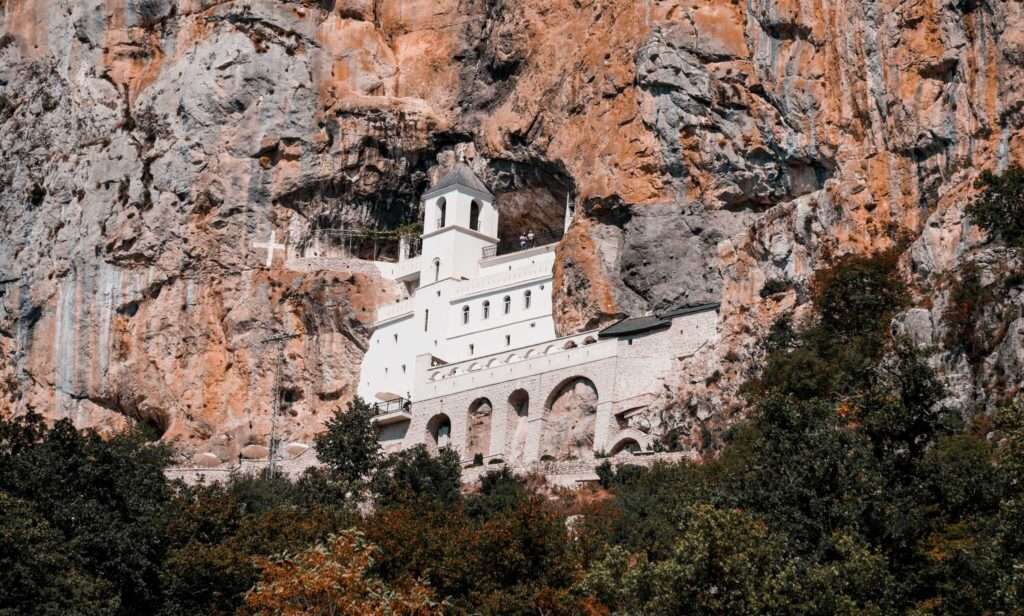
Rising out of the rock in Montenegro, Ostrog Monastery is the kind of place that makes you stop talking mid-sentence. Built into a near-vertical cliff, it’s one of the Balkans’ most powerful pilgrimage destinations, drawing visitors for faith, healing traditions, and the simple shock of its location. The approach feels like a slow climb into the clouds, with the white monastery walls appearing almost impossibly bright against the stone. Ostrog isn’t subtle—it’s a statement of belief carved into a mountain.