





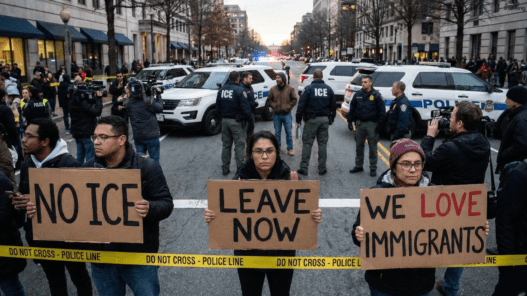
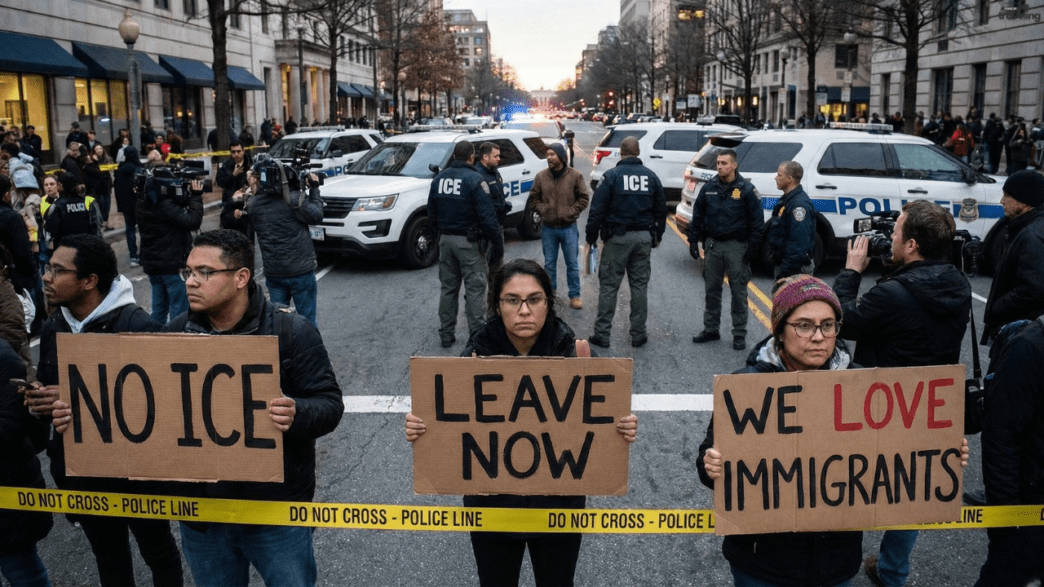
Traveling in the current climate can be stressful, especially given that TRAC Immigration reports a record-breaking 70,766 people in ICE detention as of late January 2026. For immigrant communities and mixed-status families, finding “low-enforcement zones” is often the top priority when planning a safe trip. While federal enforcement reached a peak in December 2025 with over 37,800 arrests in a single month, recent data reveals that geography and local policy still create significant safety pockets.
We’ve analyzed state-by-state arrest data from the most recent reporting periods to highlight the ten states where ICE activity remains at its absolute lowest. These destinations offer a chance to explore with more peace of mind, backed by hard numbers and strong local protections.
| State | Arrest Volume | Key Factor |
| Vermont | < 10 | Strongest statewide non-cooperation laws in the U.S. |
| Alaska | ~30 | Geographic isolation and low population density. |
| Montana | ~60 | Primarily “at-large” arrests; minimal jail transfers. |
| Hawaii | ~95 | Low ICE presence; isolation limits regional operations. |
| New Hampshire | ~140 | Low absolute volume despite recent regional surges. |
| North Dakota | ~150 | Enforcement mostly limited to border/workplace checks. |
| Maine | ~160 | High resistance from local law enforcement in many counties. |
| West Virginia | ~250 | Lowest foreign-born population percentage in the country. |
| South Dakota | ~260 | Small overall volume; activity largely confined to major cities. |
| Rhode Island | ~280 | Heavy local protections in Providence and surrounding areas. |


Disclaimer: As an Amazon Associate, We earn commission from qualifying purchases.
1. Vermont
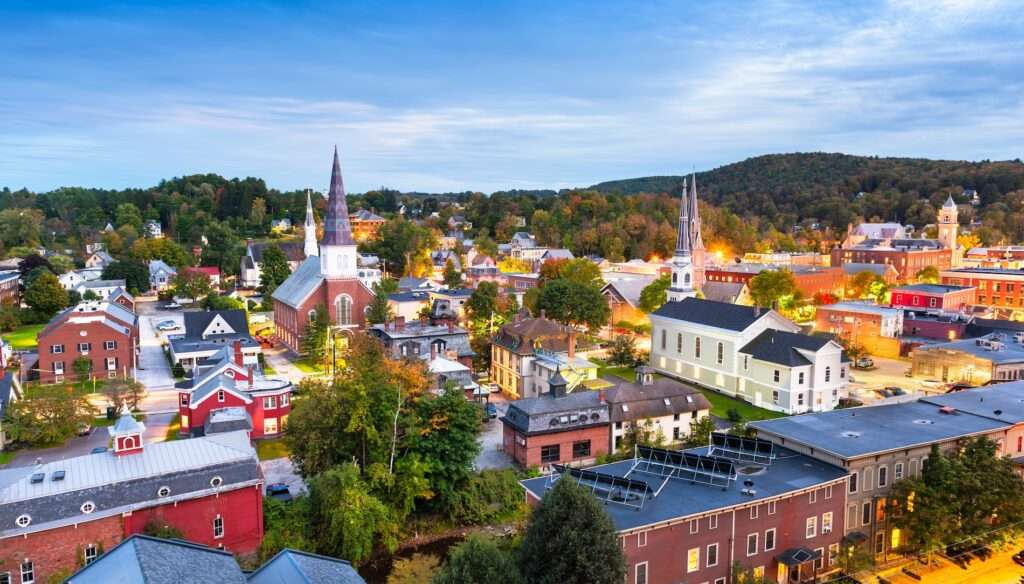
Vermont remains the most significant outlier in the nation, recording a mere 5 total ICE arrests during the late 2025 reporting period. This incredibly low volume is no accident; Vermont is officially designated as a Sanctuary State by the DOJ due to its strict non-cooperation laws. Local police are generally prohibited from honoring ICE detainers or assisting in civil immigration enforcement, creating a robust legal shield for residents and visitors alike. Travelers here can enjoy the iconic Green Mountains knowing that state policy actively works to limit federal interference in everyday life. It is statistically the quietest state in the country for enforcement, making it a premier choice for a low-stress getaway.
2. Alaska
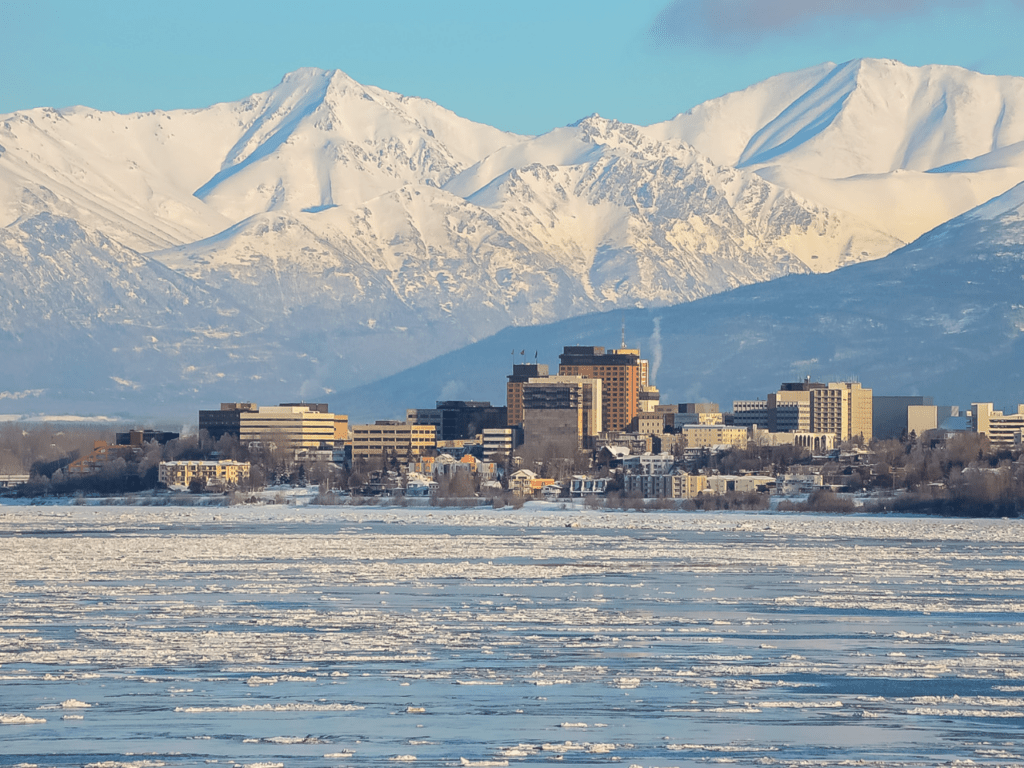
Alaska’s vast wilderness provides a natural layer of protection, with only 26 recorded arrests in the most recent six-month data set. According to official ICE apprehension records, the majority of these were community-based rather than jail transfers, as local cooperation remains limited. The sheer scale of “The Last Frontier” makes large-scale, coordinated raids logistically difficult for federal agents with limited local resources. For those seeking rugged adventure, the state offers a sense of freedom that is backed by one of the lowest per-capita enforcement rates in the U.S. It is a massive landscape where federal reach is thinly stretched and rarely encountered by the traveling public.
| Preview | Product | Price | |
|---|---|---|---|
| Samsonite Pro Softside Duffel Bag, Black, One Size | $227.33 | Buy on Amazon |

Disclaimer: As an Amazon Associate, We earn commission from qualifying purchases.
3. Montana
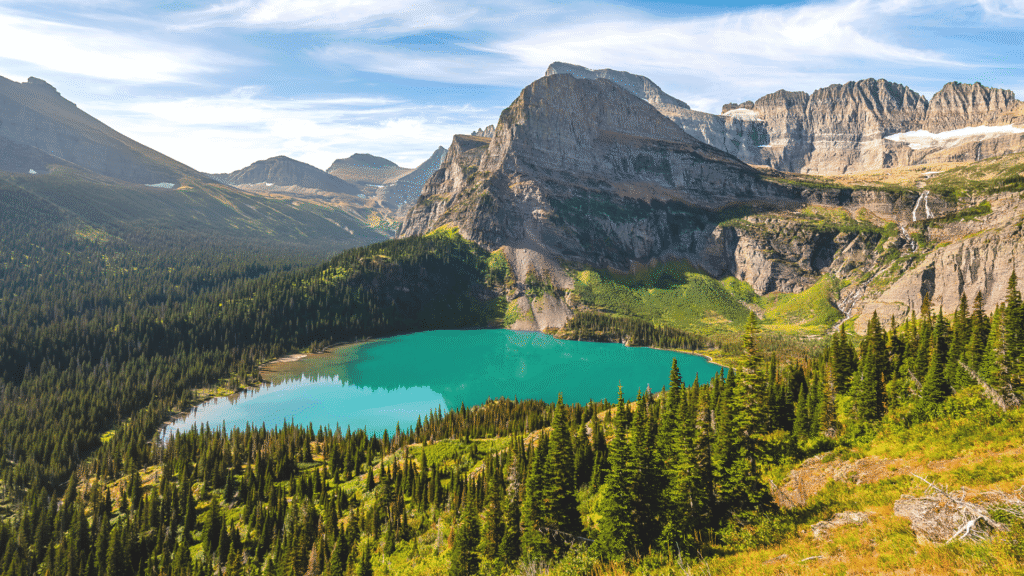
Montana offers wide-open horizons and a statistically low-risk environment, with just 53 total arrests documented in recent months. While the state is known for its “Big Sky,” it is also notable for the lack of 287(g) agreements that would otherwise deputize local police to act as immigration agents. Most enforcement activity here is highly localized, meaning travelers are statistically unlikely to see the sweeping community operations occurring in higher-density states. The low arrest volume creates a more relaxed atmosphere for road trips through Glacier or Yellowstone. It remains a quiet pocket of the West where federal immigration activity is minimal compared to neighboring regions.
4. Hawaii
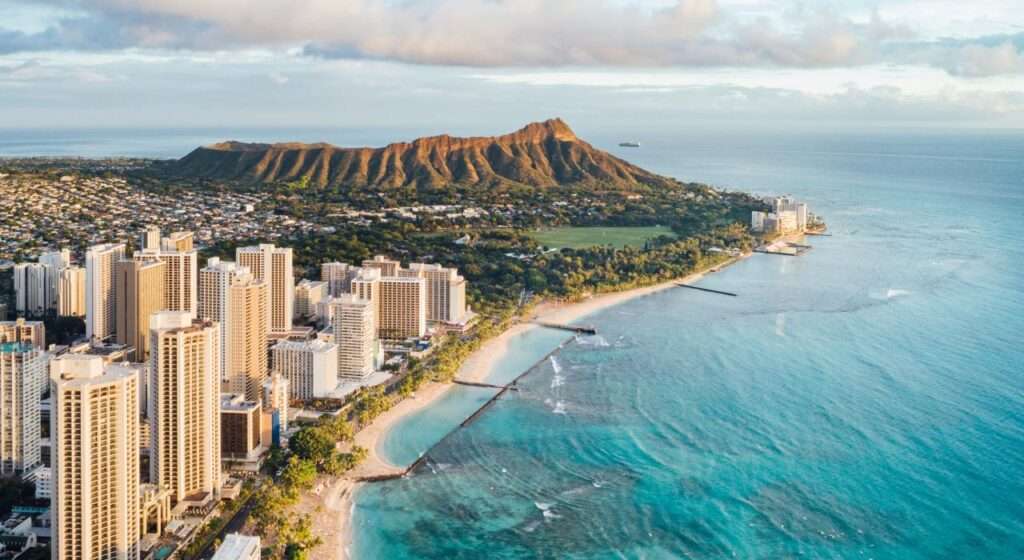
Hawaii’s unique island geography acts as a powerful barrier, keeping enforcement numbers under 90 total arrests in the latest half-year reporting period. The state’s physical isolation from mainland ICE field offices makes it a difficult environment for federal surges or rapid-response operations. Hawaii is also currently moving to further codify non-cooperation bans in its 2026 legislative session, which would solidify its status as a safe haven. The “Aloha Spirit” here is supported by data that shows a very light federal footprint across the islands. Travelers can focus on the tropical scenery without the high-intensity enforcement atmosphere found in mainland coastal hubs.

Disclaimer: As an Amazon Associate, We earn commission from qualifying purchases.
5. New Hampshire
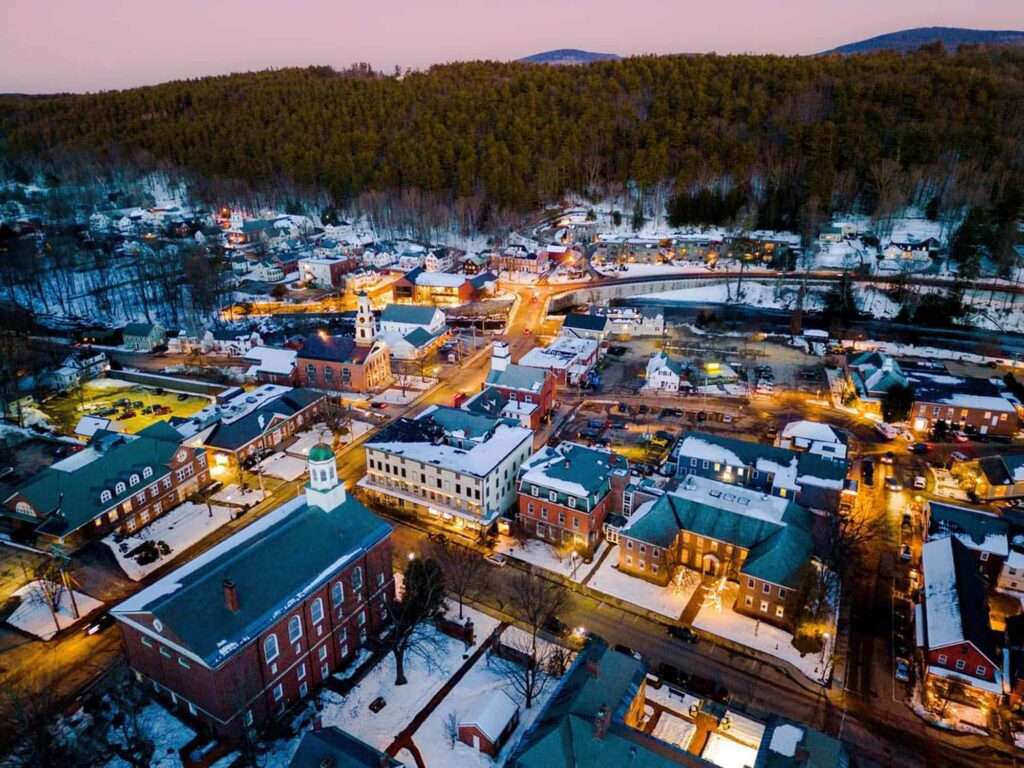
New Hampshire provides a scenic New England escape with a surprisingly low enforcement profile, recording only 134 arrests in the last half of 2025. Despite being in a region that has seen recent surges, New Hampshire’s lower population density keeps its raw arrest numbers among the bottom ten in the nation. While it does not have the same level of statewide sanctuary laws as Vermont, it lacks the large-scale “at-large” operations currently targeting bigger cities like Boston. It offers classic charm and a lower statistical risk profile for those who want a Northeast experience away from the heavy surveillance of major corridors. It serves as a quieter, more predictable alternative for immigrant travelers in the region.
6. North Dakota
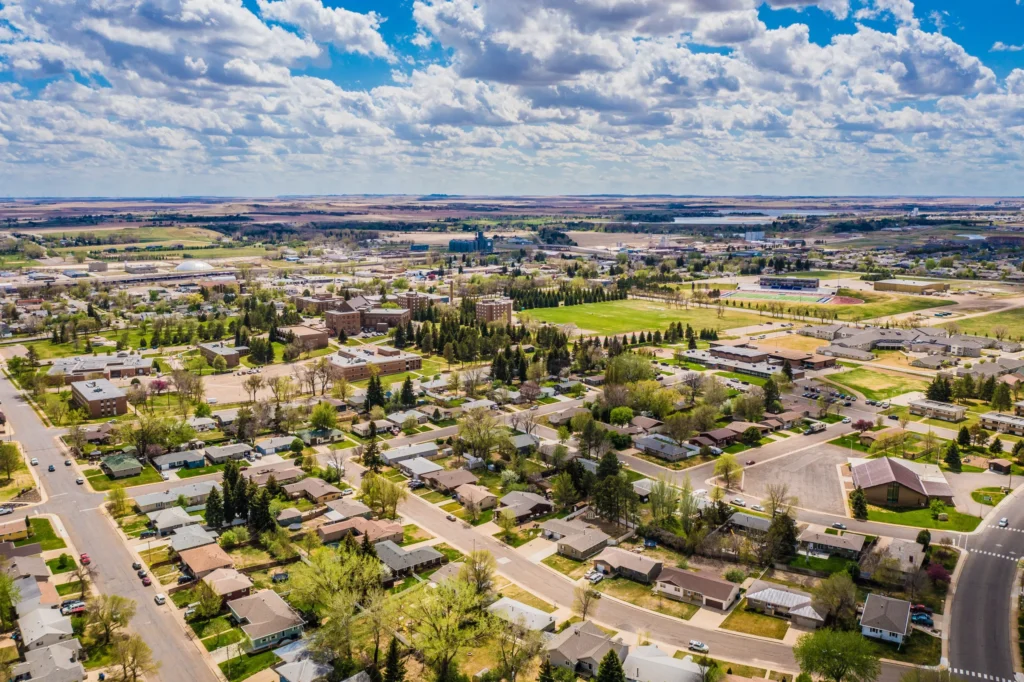
North Dakota’s expansive plains are home to some of the fewest immigration enforcement actions in the Midwest, with just 143 arrests recorded in recent data. Enforcement activity in this state is primarily focused on specific workplace checks or border crossings rather than general community-wide sweeps. For those visiting the upper Midwest, the lack of large urban centers means there are fewer targets for the high-profile raids seen in Minneapolis or Chicago. This creates a more stable environment where daily life and travel are rarely interrupted by federal activity. It is a quiet destination where community-level enforcement is statistically rare.
7. Maine
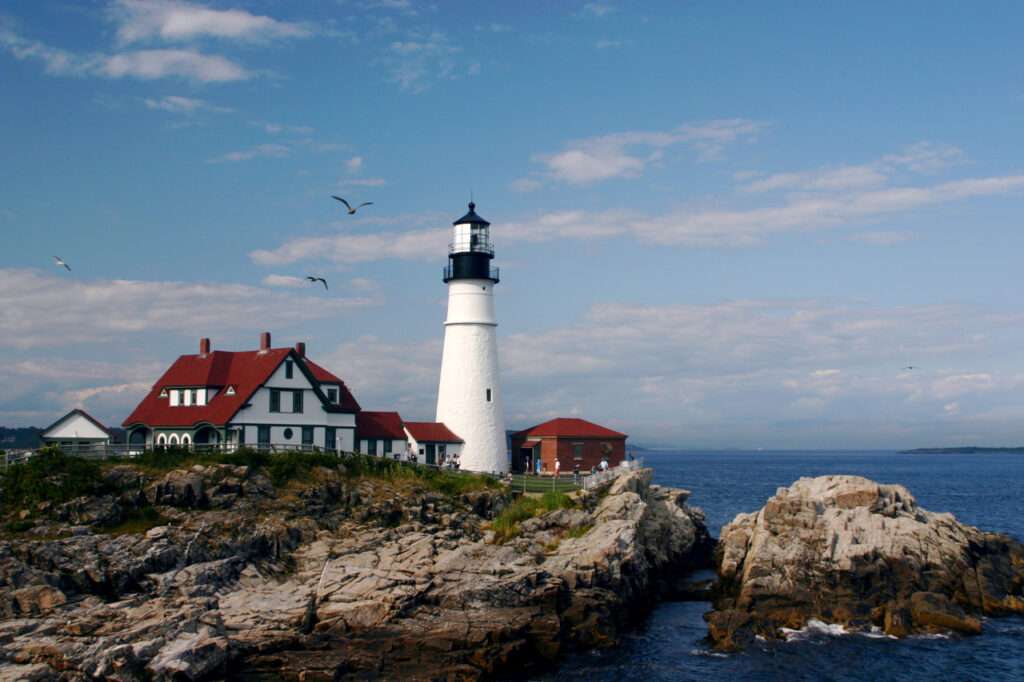
Maine, affectionately known as “Vacationland,” offers a relatively secure environment with only 148 arrests over the latest six-month period. Many local jurisdictions here have a long-standing tradition of limited cooperation with ICE, refusing to use local taxpayer resources for federal immigration tasks. This creates a protective culture in many coastal towns and rural areas where local police prioritize community safety over federal mandates. The data reflects this, showing a much lower arrest rate than in other Atlantic states with higher levels of police cooperation. Maine remains a top-tier destination for those who value community solidarity and a smaller federal presence.
8. West Virginia
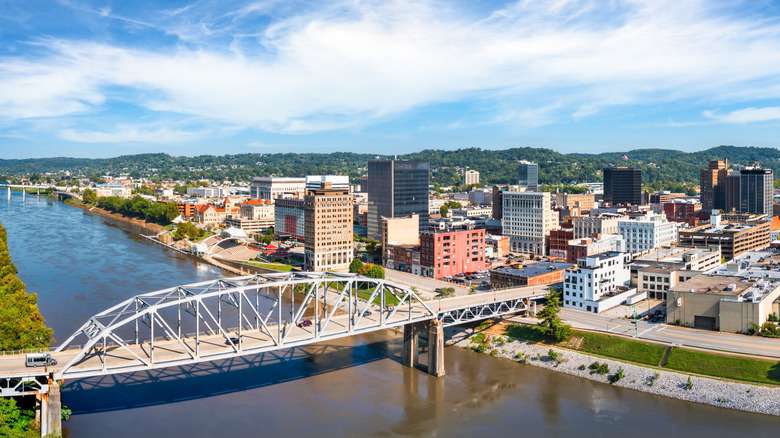
West Virginia maintains one of the lowest enforcement volumes in the country, with 234 arrests recorded in the last reporting period. This is largely due to the state having the lowest foreign-born population percentage in the entire United States, which results in fewer ICE resources being allocated to the area. Because there are fewer established immigrant communities, the “at-large” community raids common in other states are almost nonexistent here. For travelers, this translates into a very low statistical probability of encountering immigration enforcement in daily activities. The Mountain State offers a quiet, beautiful escape where the federal footprint is remarkably small.
9. South Dakota
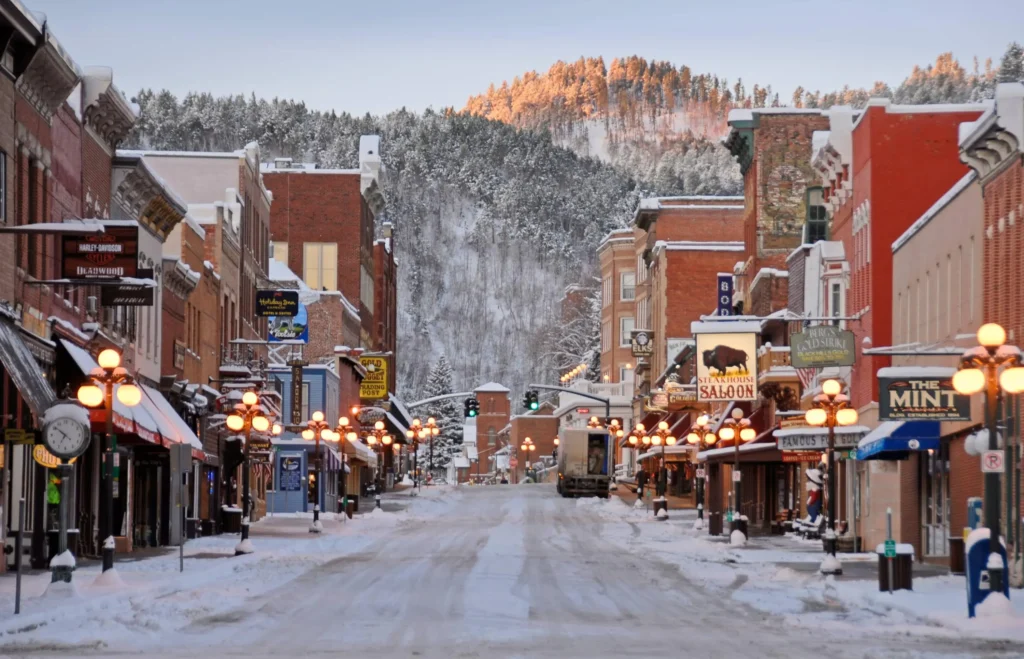
South Dakota’s arrest numbers remain consistently low, hovering around 243 total actions in the most recent half-year data set. While the state has seen a slight increase in jail transfers, the overall volume is still among the lowest in the nation due to its low population density. Enforcement is generally confined to specific urban centers, leaving the vast majority of the state’s landmarks and parks entirely unmonitored. This makes South Dakota a safe and open destination for those looking to explore the Badlands or the Black Hills. It remains a “low-impact” state where federal enforcement is not a primary focus.
10. Rhode Island
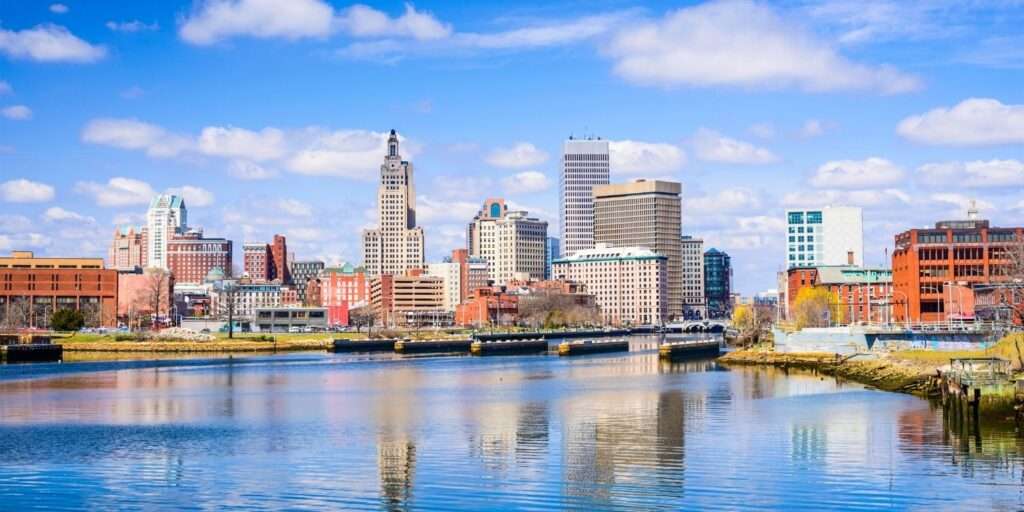
Rhode Island may be the smallest state, but it offers big protections, with only 262 arrests recorded despite its location in the busy Northeast corridor. The state is officially listed as a Sanctuary Jurisdiction because many of its cities, like Providence, have policies that severely restrict police interaction with ICE. These local laws make it difficult for federal agents to operate with the same efficiency they enjoy in states like Texas or Florida. For travelers who want an urban coastal experience with the reassurance of supportive local leadership, Rhode Island is an excellent choice. It is a compact, high-protection zone with a documented commitment to resident safety.