



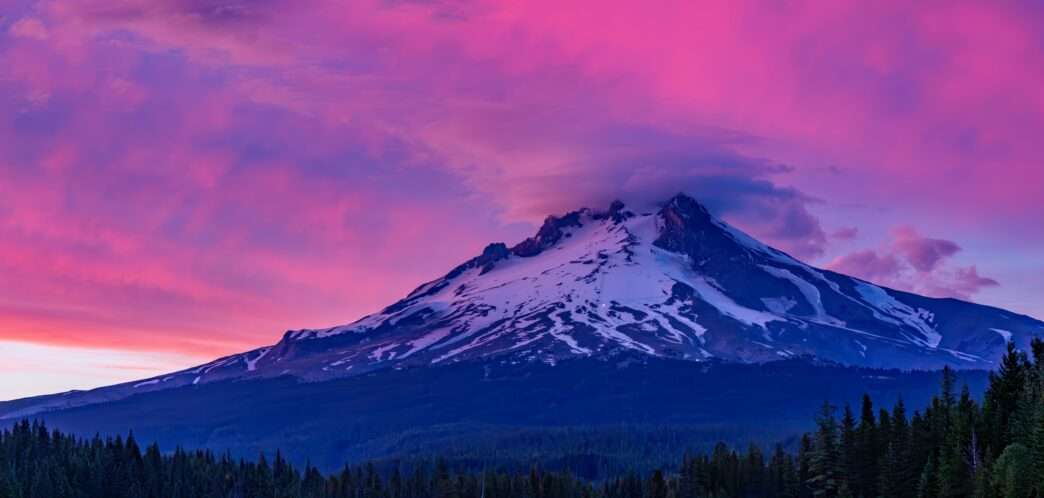
Are you ready for an explosive adventure across America’s most dynamic landscapes? If you want to witness the raw, earth-shaping power of nature up close, uncovering the Best Volcanoes to Visit should be at the very top of your travel bucket list.
From the tropical, lava-carved islands of Hawaii to the rugged, snow-capped peaks of the Pacific Northwest, the United States is hiding an incredible array of dormant and active craters just waiting to be explored.
Mount St. Helens, Washington
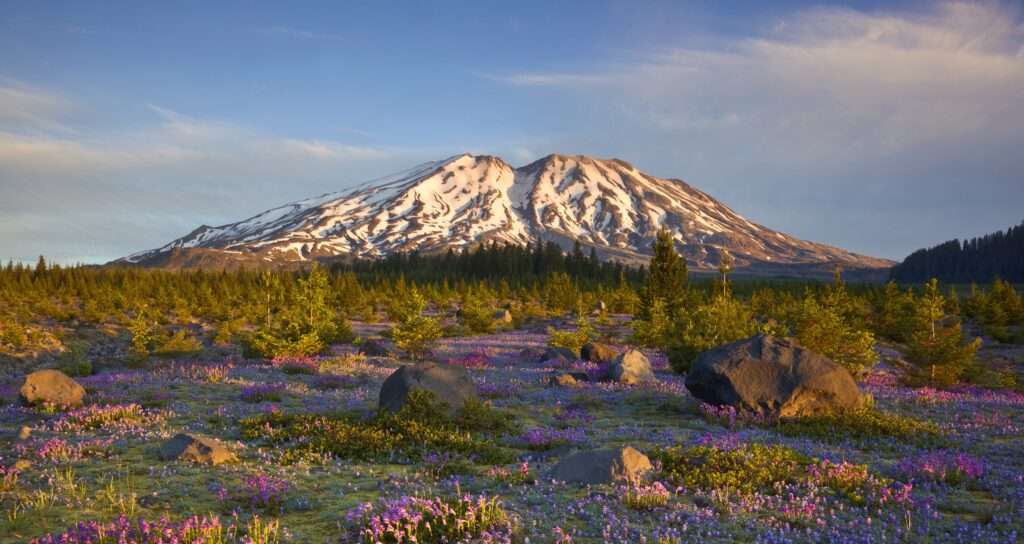
Located in southwestern Washington, Mount St. Helens remains incredibly famous for its catastrophic, landscape-altering eruption on May 18, 1980. Today, you can witness a breathtaking contrast between the blast zone’s utter devastation and the vibrant new plant life slowly reclaiming the nutrient-rich soil. While the popular Johnston Ridge Observatory highway is closed for repairs until 2026 due to a massive landslide, visitors can still explore the fascinating Science and Learning Center at Coldwater. Hiking the surrounding trails provides a sobering, deeply moving perspective on just how quickly our planet can change.


Disclaimer: As an Amazon Associate, We earn commission from qualifying purchases.
Crater Lake (Mount Mazama), Oregon
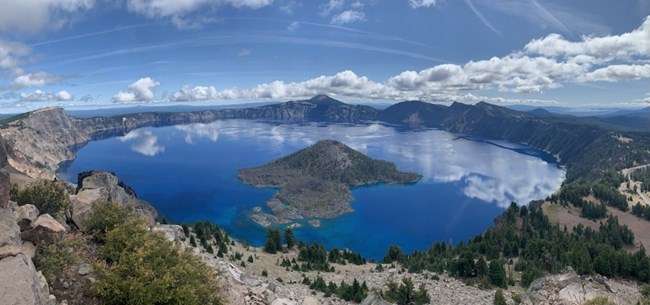
Tucked away in southern Oregon, Crater Lake was born roughly 7,700 years ago when the massive Mount Mazama violently collapsed inward. This spectacular caldera now holds the title of the deepest lake in the United States, famous for its remarkably pristine, rain-fed blue waters. During the short summer season, you can drive the scenic Rim Drive to soak in the sweeping panoramas or take a boat tour out to Wizard Island to hike a cinder cone right in the middle of the water. Taking a shockingly cold dip along the rocky shore is an unforgettable way to connect with the region’s ancient, fiery past.
Lassen Peak, California
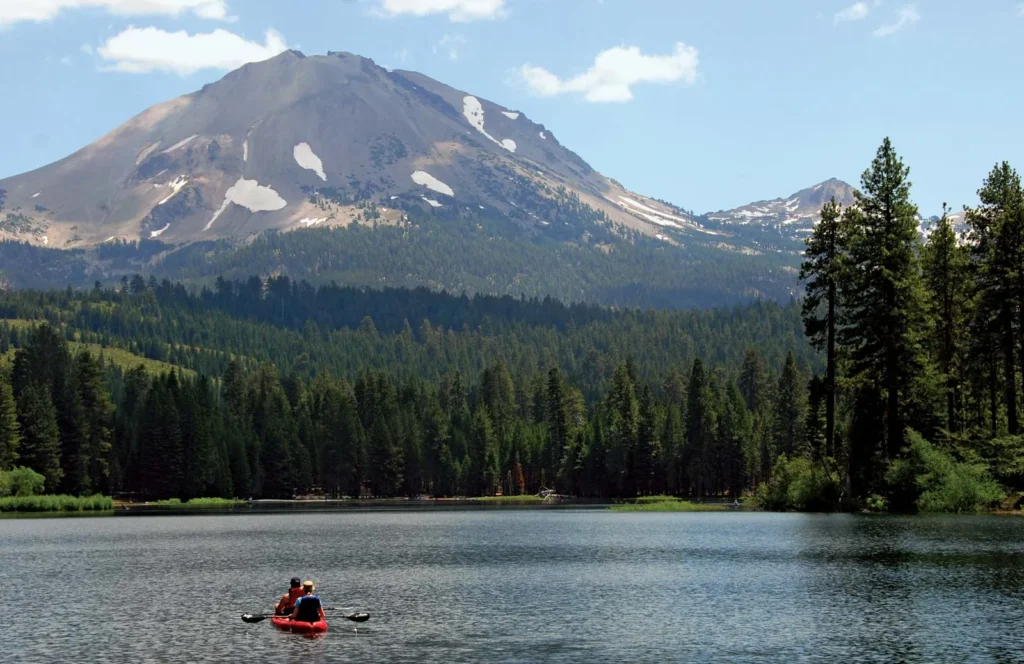
Anchoring one of California’s most underrated national parks, Lassen Peak proudly stands as the largest plug dome volcano on the entire planet. It memorably blew its top between 1914 and 1917, showering the surrounding landscape in ash and creating the fascinating Devastated Area you can still see today. Intrepid visitors who tackle the steep, high-altitude summit trail are rewarded with sweeping views of the park’s vibrant alpine lakes and geothermal valleys. For a truly otherworldly experience, be sure to explore the bubbling mud pots and hissing fumaroles of Bumpass Hell, which feels exactly like walking on the surface of another planet.

Disclaimer: As an Amazon Associate, We earn commission from qualifying purchases.
Kīlauea, Hawaii
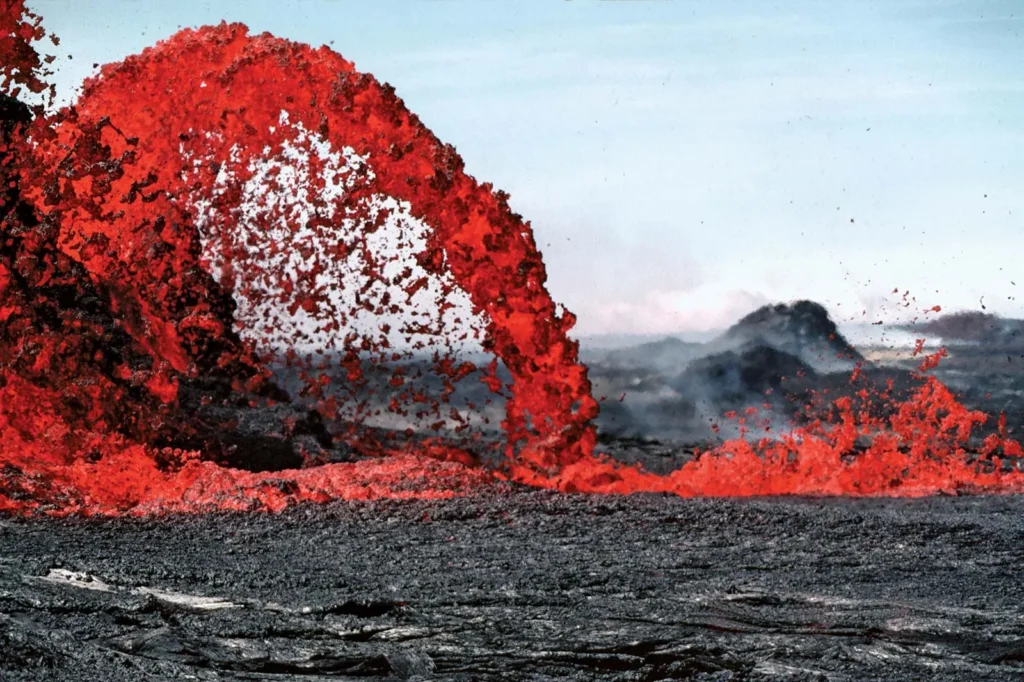
As one of the most active volcanoes on Earth, Kīlauea provides a mesmerizing, real-time glimpse into the creation of the Hawaiian archipelago. Situated on the Big Island within a beloved national park established in 1916, this fiery marvel has been erupting almost continuously since 1983. Taking a drive along the incredible Crater Rim Tour allows you to witness massive calderas, steaming vents, and occasionally the awe-inspiring glow of a fresh lava lake after the sun goes down. It remains a deeply sacred place in Native Hawaiian culture, revered as the legendary home of Pele, the Hawaiian goddess of fire.
Mount Rainier, Washington
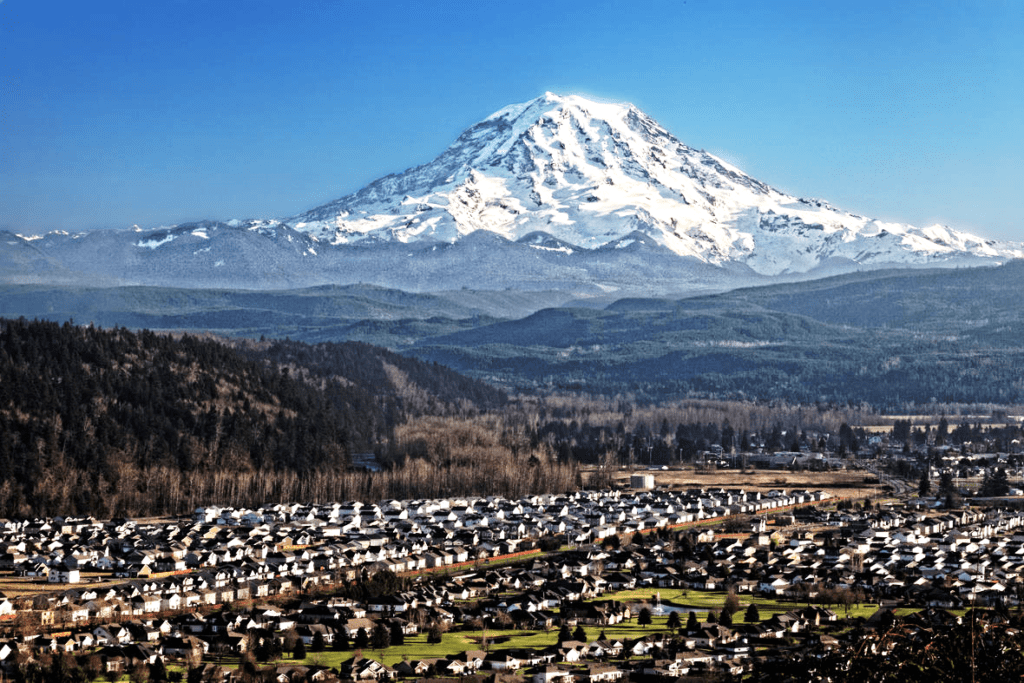
Towering magnificently over the Seattle skyline, Mount Rainier is an episodically active stratovolcano and the undisputed crown jewel of the Cascade Range. Established as a protected national park way back in 1899, this glaciated behemoth boasts some of the absolute best alpine scenery in the Pacific Northwest. If you visit during the fleeting summer months, the spectacular wildflower meadows at the Sunrise area burst into a vibrant kaleidoscope of colors. Whether you are attempting a technical summit climb or just enjoying a scenic mountain drive, its commanding presence never fails to leave travelers utterly speechless.
Mauna Loa, Hawaii
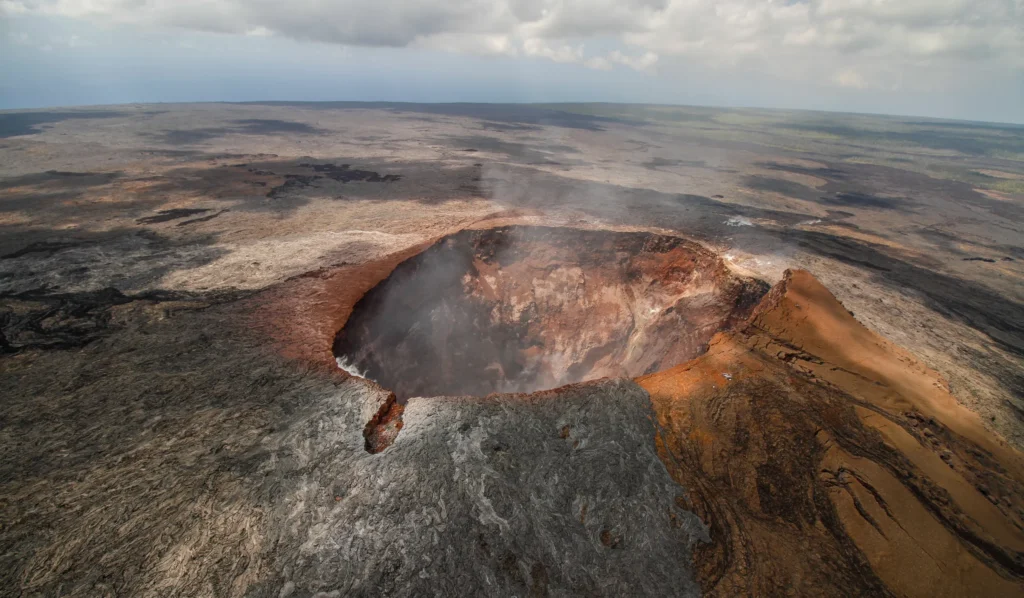
Taking up roughly half of the Big Island’s total landmass, Mauna Loa is historically documented as the largest active shield volcano in the world by volume. After a nearly 40-year slumber, this sleeping giant made global headlines by waking up with a spectacular, glowing eruption in late 2022. While the extreme summit is often dusted with winter snow, the stark, lava-scarred lower slopes create a rugged playground for experienced backcountry backpackers. Stopping at the various scenic overlooks inside Hawaiʻi Volcanoes National Park helps you truly appreciate the unimaginable scale of this massive geological wonder.
Mount Shasta, California
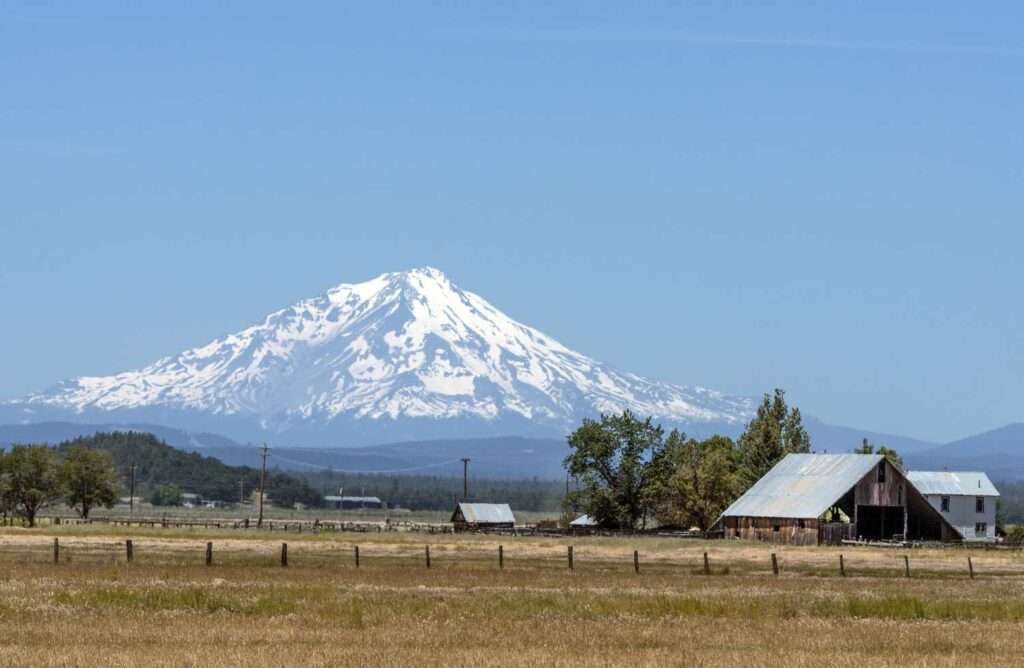
Dominating the lush landscape of Northern California, Mount Shasta is a majestic, snow-capped peak that naturally attracts spiritual seekers and serious outdoor adventurers alike. Its last known major eruption occurred around 1786, yet it still remains a prominent focal point and potential hazard within the Cascade Range. Travelers can spend their days hiking through pristine alpine meadows, discovering hidden waterfalls, or exploring the chilly, fascinating lava tubes located nearby. Afterward, retreating to the charming mountain town at its base offers a perfectly relaxing way to unwind from a long day of high-elevation adventuring.
Newberry Volcano, Oregon
Located just south of Bend, the sprawling Newberry Volcanic Monument covers over 1,200 square miles and features a stunning caldera filled with twin alpine lakes. Although it hasn’t erupted in roughly 1,300 years, the bubbling geothermal activity hiding just beneath the surface proves this massive shield volcano is still alive. A major highlight of any trip here is walking through the Lava River Cave, a fascinating mile-long basalt tube where temperatures sit at a brisk 42 degrees all year. Just make sure you reserve your timed ticket in advance, pack a warm jacket, and bring a reliable flashlight for the dark subterranean trek.
Mount Novarupta, Alaska
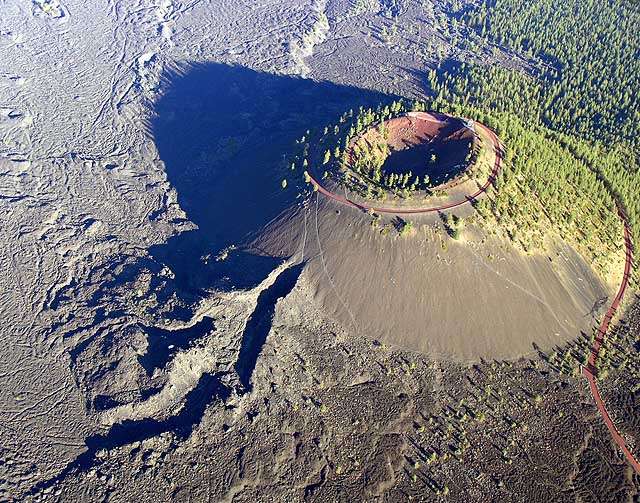
Hidden deep within the wild, untamed expanse of Katmai National Park, Mount Novarupta is responsible for the absolute largest volcanic eruption of the 20th century. During an explosive event in June 1912, it unleashed massive clouds of ash and permanently formed the eerie, steaming landscape we now call the Valley of Ten Thousand Smokes. Reaching this remote Alaskan wilderness usually requires booking a specialized float plane flight from King Salmon and bringing along a rugged sense of adventure. Once you land, you can easily combine your geological explorations with a spectacular bear-viewing tour near the world-famous Brooks Falls.
Mount Hood, Oregon
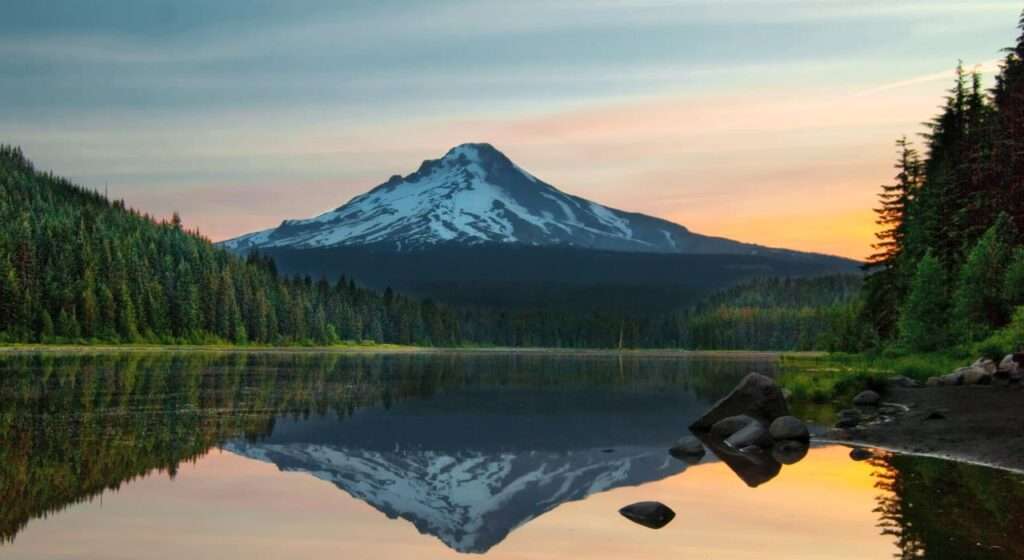
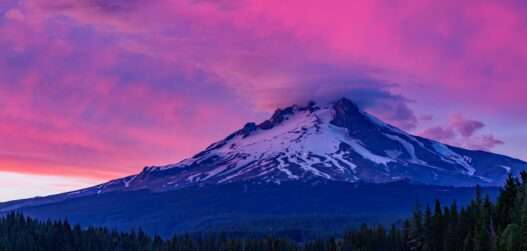
Crowned by eleven active glaciers and visible from Portland, Mount Hood is Oregon’s highest peak and an iconic fixture of the gorgeous Pacific Northwest skyline. It last experienced a minor eruptive phase in the mid-1800s, but today it is much better known as a premier, year-round playground for skiers and hikers. Historic Timberline Lodge, beautifully constructed during the Great Depression in 1937, provides cozy accommodations right on the mountain’s snowy, rugged flanks. Taking a picturesque drive along the Mt. Hood Scenic Byway delivers unparalleled, postcard-worthy vistas of the crater’s jagged, icy crown.
Mount Adams, Washington
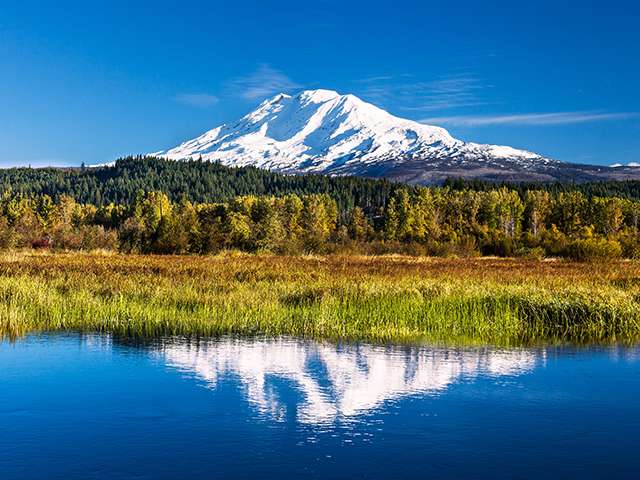
Often overlooked in favor of its more famous neighbors, Mount Adams stands tall as the second-highest peak in Washington state with a beautifully bulky, asymmetrical profile. This massive stratovolcano hasn’t actually erupted in thousands of years, leaving its sprawling glaciers and untouched wilderness perfect for crowd-free mountaineering. It is the absolute ideal destination for travelers looking to completely escape the heavy summer tourist traffic typically found at Rainier or St. Helens. Pitching your tent at the stunning Takhlakh Lake grants you a breathtaking, glass-like reflection of the mountain’s snow-covered summit to wake up to.
Shishaldin Volcano, Alaska
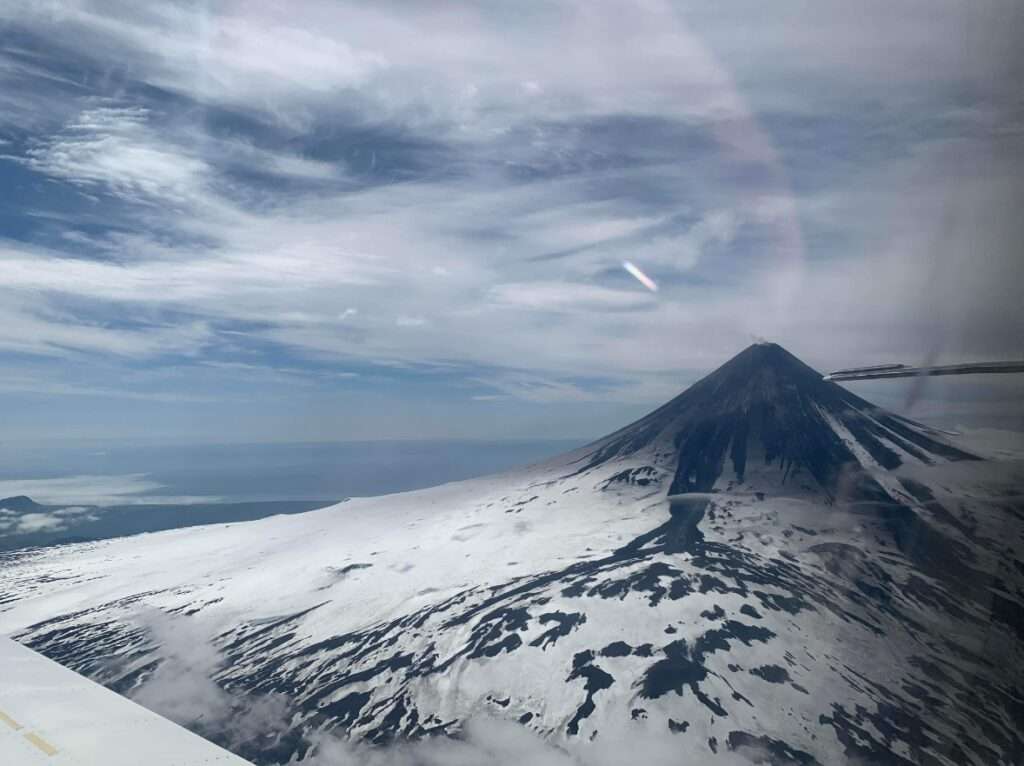
Boasting one of the most perfectly symmetrical cones on the entire planet, Shishaldin Volcano is a towering, ice-clad giant located on Unimak Island. This highly active, 9,373-foot peak has erupted dozens of times since 1824, with significant ash-producing events keeping scientists busy as recently as 2023. Because of its incredibly remote location in the unforgiving Aleutian chain, it is primarily monitored by the Alaska Volcano Observatory rather than visited by everyday tourists. However, catching a glimpse of it from the air or a passing expedition cruise ship is a mesmerizing, once-in-a-lifetime encounter with the raw forces of nature.