



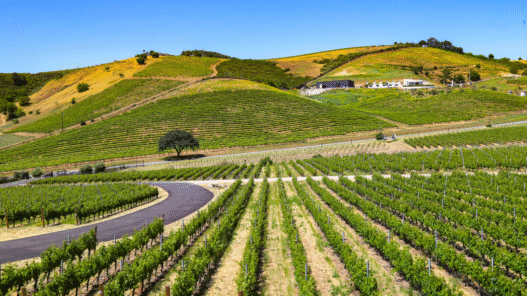
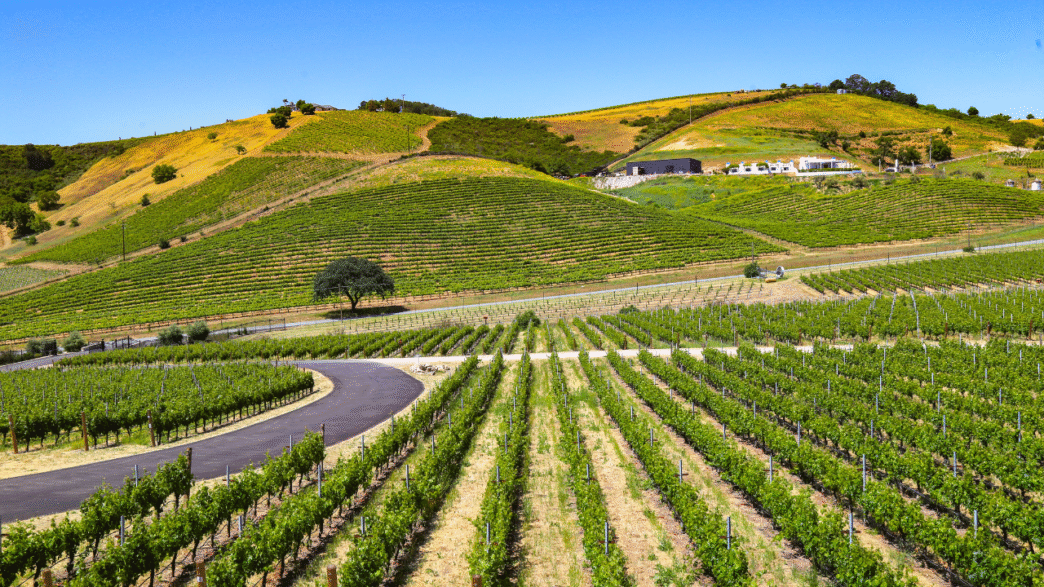
The United States has been producing wine since the early 1600s, and today it’s home to hundreds of scenic vineyards stretching from the Pacific Coast to the East Coast. This guide to the 6 Wine Regions in the U.S. explores places that blend gorgeous landscapes, historic estates, and bold flavors that reflect each region’s unique climate.
Whether you’re planning a wine-tasting trip or adding these stops to a future road adventure, each destination offers a mix of culture, history, and unforgettable bottles. With everything from cool coastal wines to mountain-grown varietals, these regions show why American wine continues to rise in global reputation.
Napa Valley, California
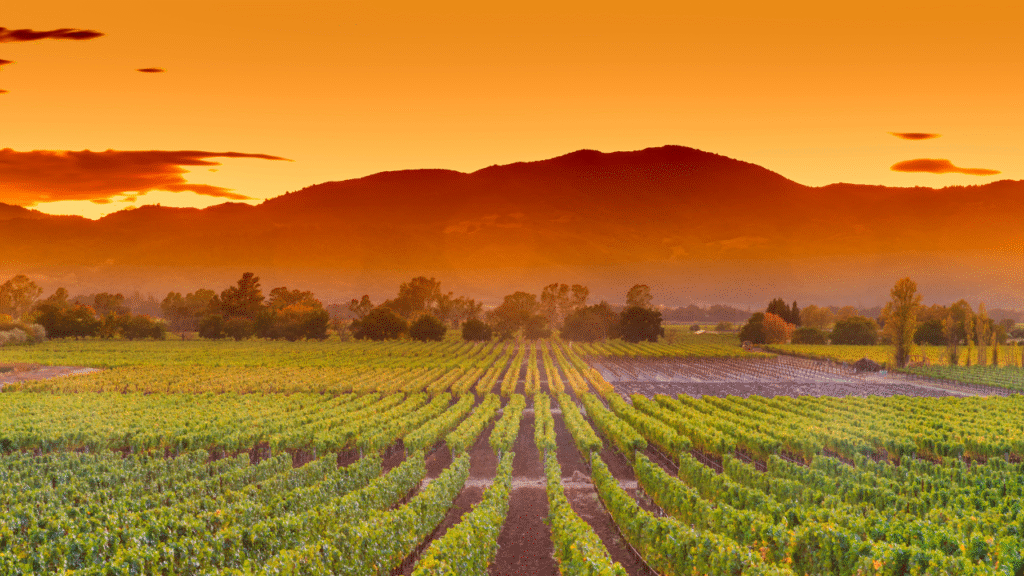
Napa Valley has been the heart of American wine since the 1850s, with its Mediterranean climate and more than 400 wineries spread along Highway 29 and the Silverado Trail. Known worldwide for its Cabernet Sauvignon, Napa famously proved its quality during the 1976 Judgment of Paris, when local wines beat top French labels—a milestone highlighted by Visit Napa Valley. Visitors today can explore historic estates in St. Helena and Oakville, ride the Napa Valley Wine Train, or pair tastings with gourmet farm-to-table restaurants. This region blends luxury and history, making it a must-visit for anyone planning to explore iconic U.S. wine destinations, especially if paired with Northern California trips featured on YearsofTraveling.com.
Sonoma County, California
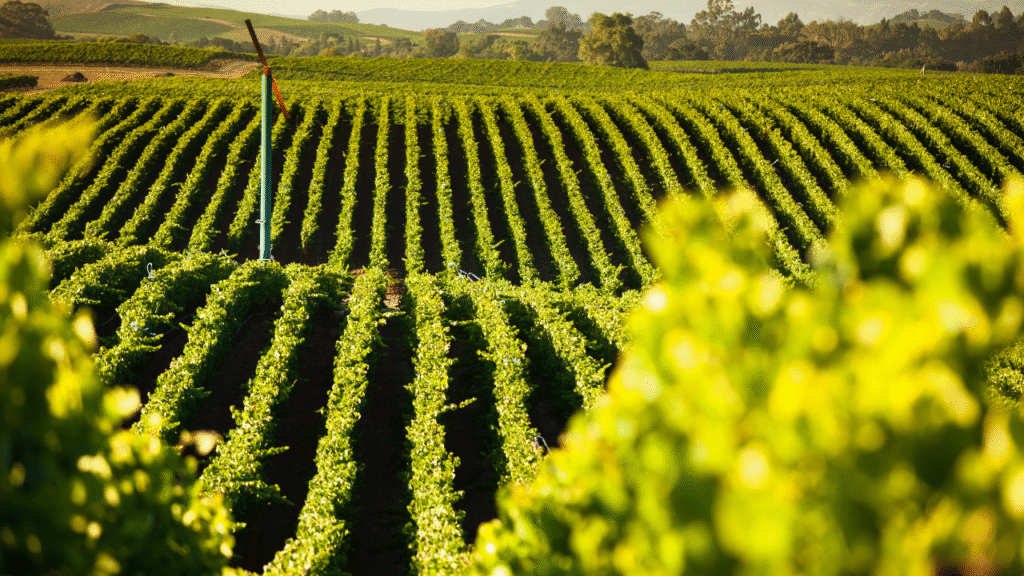
Just west of Napa, Sonoma County offers a more laid-back wine country experience with roots dating back to the 1812 Russian settlers at Fort Ross, preserved today at Fort Ross State Historic Park. With 19 distinct AVAs—including Dry Creek Valley, Russian River Valley, and Alexander Valley—Sonoma produces everything from cool-climate Pinot Noir to bold Zinfandel, as showcased by Sonoma County Tourism. Visitors can wander the historic Sonoma Plaza, explore redwood-lined backroads, and enjoy tastings at family-owned wineries that emphasize sustainability—an ideal addition to broader California itineraries on YearsofTraveling.com. It’s a region where coastal breezes meet rolling vineyards, creating one of the most diverse wine landscapes in the country.
Willamette Valley, Oregon
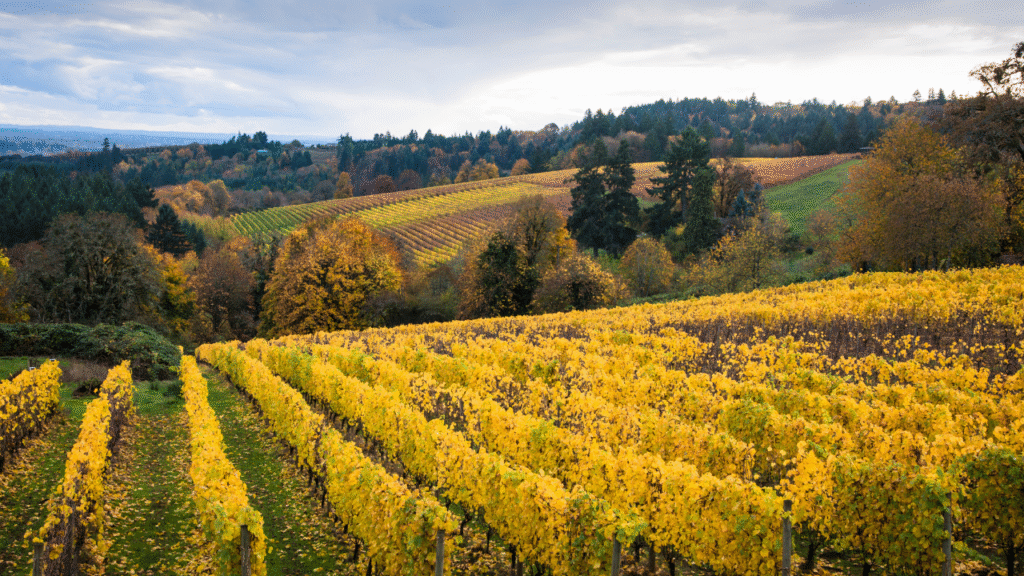
The Willamette Valley, stretching 150 miles from Portland to Eugene, has been Oregon’s wine powerhouse since the first modern vineyards were planted in 1966, a history documented by Travel Oregon. Celebrated for its world-class Pinot Noir, this cool and misty region sits at the same latitude as Burgundy, France. Quaint towns like McMinnville and Dundee invite travelers to explore tasting rooms, food-forward markets, and farm stays surrounded by forested hills. With its relaxed Northwest spirit and award-winning vintages, the Willamette Valley has become a favorite for travelers seeking both beauty and refinement, especially those pairing it with Portland trips covered on YearsofTraveling.com.
Finger Lakes, New York
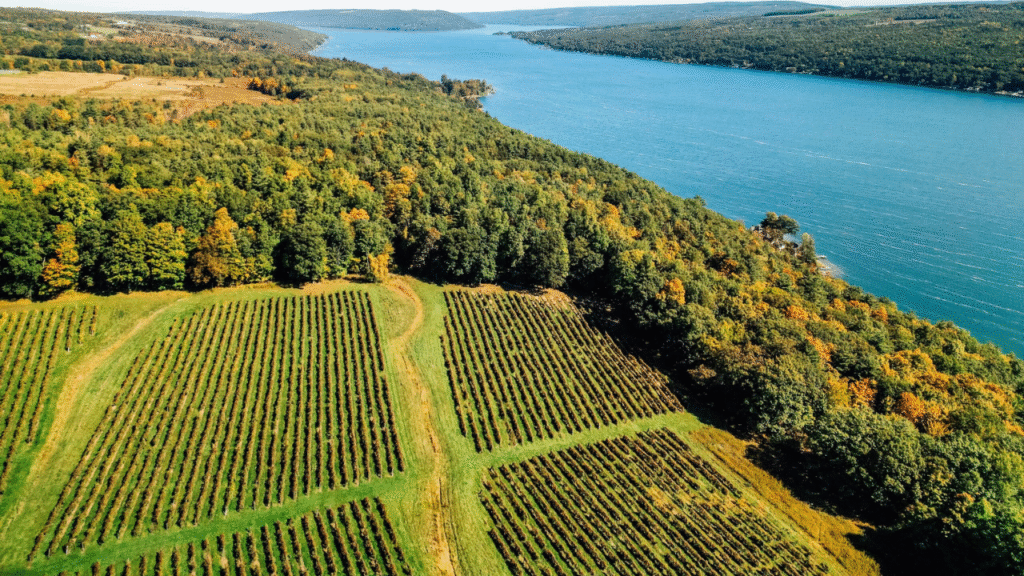
In upstate New York, the Finger Lakes wine region has thrived since the early 1800s, flourishing along deep glacier-carved lakes like Seneca, Cayuga, and Keuka, all highlighted by the Finger Lakes Wine Alliance. The cool climate produces standout Riesling, Gewürztraminer, and sparkling wines that rival European styles. Travelers can explore scenic lakefront wine trails, charming small towns such as Geneva and Hammondsport, and historic estates that celebrate over 150 years of winemaking. The combination of crisp wines and postcard-worthy scenery gives this region a timeless charm and pairs perfectly with Northeastern travel itineraries on YearsofTraveling.com.
Texas Hill Country, Texas
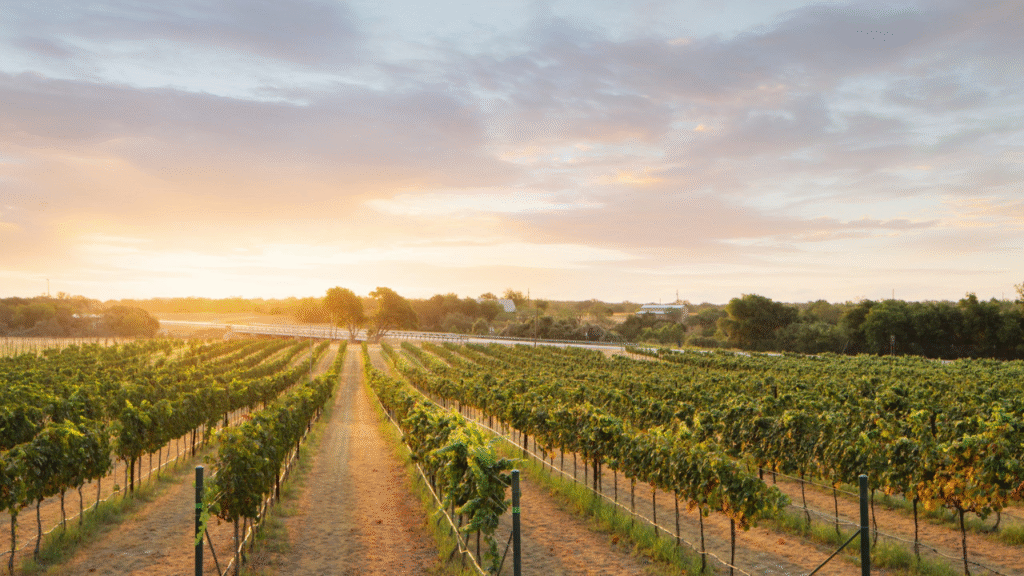
The Texas Hill Country, centered around towns like Fredericksburg and Stonewall, has quietly become one of America’s fastest-growing wine regions since the 1970s, strongly supported by Texas Hill Country Wineries. Warm days, cool nights, and limestone-rich soil help produce vibrant Tempranillo, Sangiovese, and Rhône-style blends. With more than 100 wineries scattered across rolling ranchland, visitors can enjoy live music, German-influenced cuisine, and scenic tasting rooms with sweeping sunset views. Hill Country wine culture blends Texas hospitality with sophisticated craftsmanship, making it a great addition to Southern itineraries featured on YearsofTraveling.com.
Virginia Wine Country, Virginia
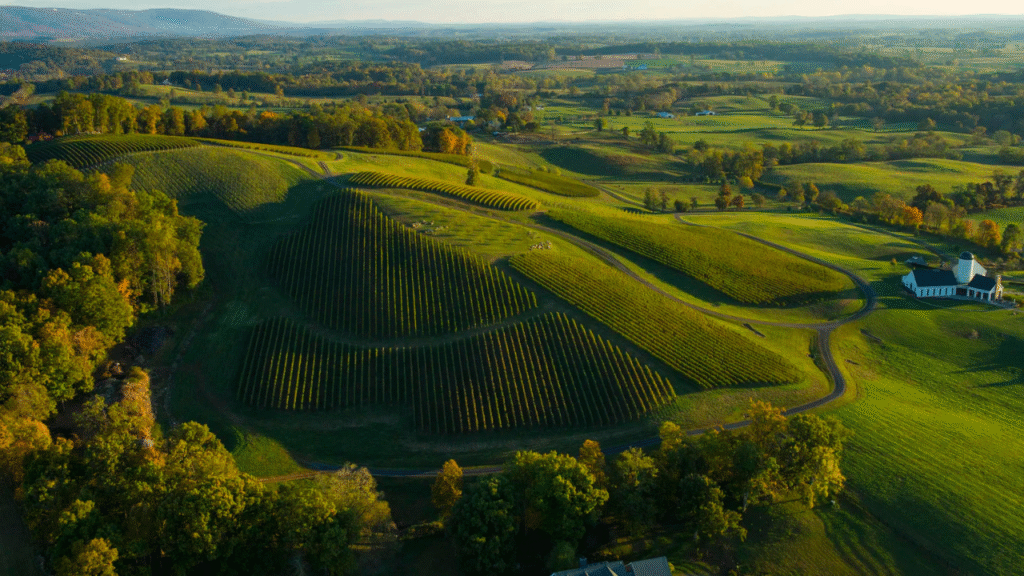
Virginia’s wine heritage dates back to 1607, when early colonists attempted to grow European grapes, and later flourished under Thomas Jefferson at Monticello in the late 1700s, a history preserved by the Thomas Jefferson Foundation. Today, regions like Loudoun County, Charlottesville, and Shenandoah Valley produce acclaimed Viognier, Cabernet Franc, and Bordeaux-style reds. Travelers can tour colonial-era estates, Blue Ridge mountain vineyards, and charming countryside towns while sampling handcrafted wines with deep historical roots. As one of America’s oldest and most scenic wine regions, Virginia offers a blend of past and present that keeps visitors returning—especially those exploring East Coast history guides on YearsofTraveling.com.